📑 Table of Contents ▶
- Fundamentals
- Preparation/Setup
- Directions
- Perfecting Homemade Puff Pastry
- Technique
- Tips/Tricks
- Enhancing Your Puff Pastry Experience
- Perfecting Results
- Troubleshooting/Variations
- Serving and Storage Tips for Homemade Puff Pastry
- Serving/Presentation
- Pairings/Storage
- Related posts:
- Garlic Parmesan Chicken Pasta Bake: The Best Recipe Ever!
- Cozy Italian Sausage and Potato Soup
- Cheesy Ground Beef & Potato Casserole
Homemade Puff Pastry
Creating homemade puff pastry transforms cooking from a chore into an adventure. I remember my first time making puff pastry; I stood by the kitchen counter, flour dusting my apron and excitement bubbling within. With just a few simple ingredients—flour, butter, salt, and water—I discovered the joy of crafting something that felt so monumental, yet was grounded in simplicity.
Every fold and roll of the dough made me feel like a true chef. The anticipation of seeing that golden, flaky pastry emerge from the oven thrilled me. That moment reminded me why cooking matters: it brings sweetness to life, and homemade puff pastry is no exception. This pastry grounds countless desserts and delightful dishes while forging connections with family and friends around the dining table.
In this recipe, we explore the foundational nature of homemade puff pastry. It offers a canvas for delicious creations such as tarts, turnovers, and more. With a handful of ingredients and some patience, anyone can create their own puff pastry and elevate their culinary skills to new heights.
Homemade Puff Pastry
Fundamentals
Understanding the basics of homemade puff pastry starts with recognizing its key components. Flour serves as the foundation, while butter brings richness and creates flakiness when layered into the dough. Salt enhances flavor, and cold water brings everything together, resulting in a perfect pastry dough.
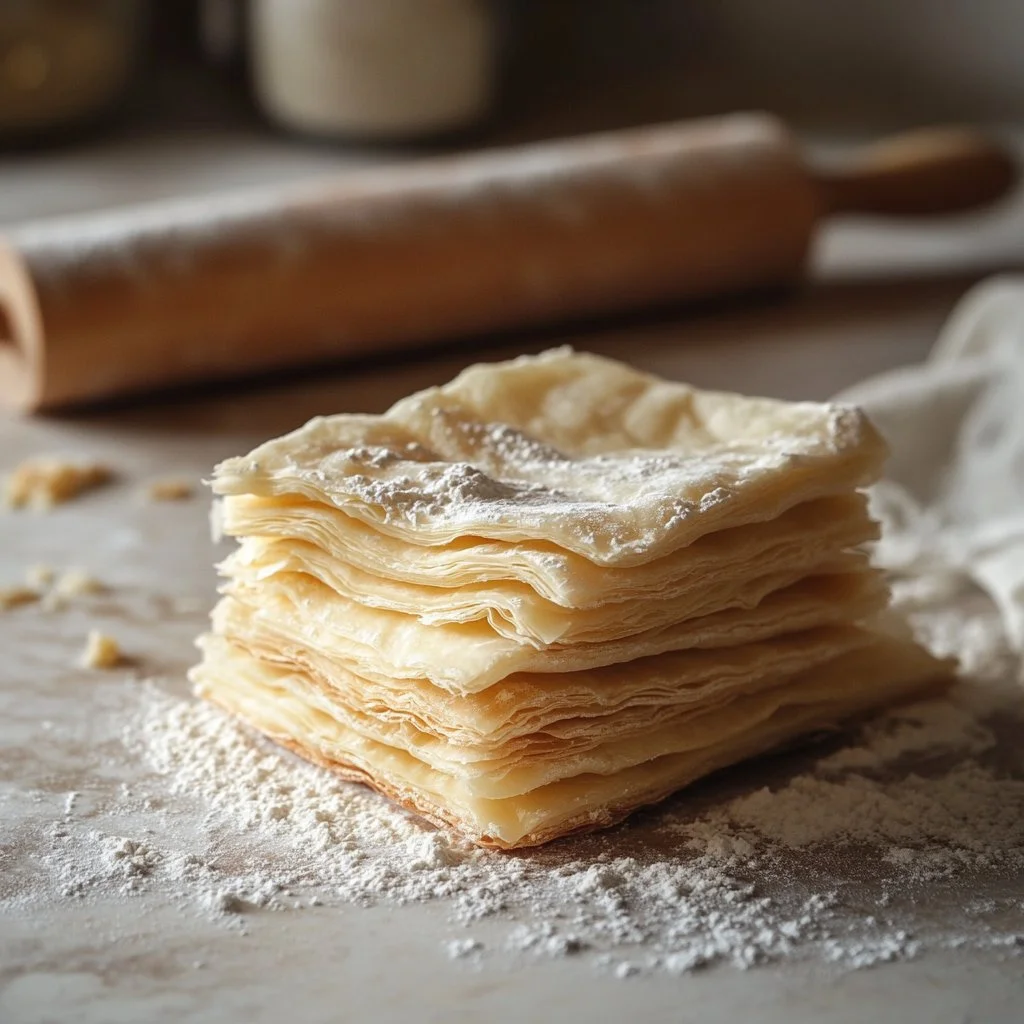
Essentially, homemade puff pastry relies on the technique of lamination. This method incorporates layers of butter into the dough, creating those signature flaky layers that rise beautifully during baking. Mastering these fundamentals takes practice but pays off with immensely satisfying results.
Preparation/Setup
When preparing to make homemade puff pastry, organization sets the stage for success. Gather your tools: a mixing bowl, a rolling pin, and plastic wrap. Allow your butter to chill in the refrigerator until firm—this ensures effective lamination. Also, consider using a pastry scraper to help handle the dough as needed.
Keeping everything cold significantly improves the final outcome. Cold butter blends elegantly with flour, while cold water helps form the dough without melting the butter prematurely. The goal is to create distinct layers that puff up wonderfully in the oven. Preparation is key in achieving that iconic texture people adore.
Ingredients
To craft this delightful homemade puff pastry, gather the following:
- 2 cups flour
- 1 teaspoon salt
- 1 cup cold butter, cut into small pieces
- 1/2 cup cold water
This simple ingredient list highlights a fundamental truth: great cooking often relies on high-quality basics combined well. Ensure your butter remains cold and your flour is fresh for the best results.
Directions
- In a bowl, combine flour and salt.
- Cut in cold butter until the mixture resembles coarse crumbs.
- Gradually add cold water until the dough comes together.
- Wrap in plastic and refrigerate for at least 30 minutes.
- Roll out the dough and fold it several times to create layers.
- Use as needed for pastries or desserts.
Perfecting Homemade Puff Pastry
Technique
Developing the technique behind homemade puff pastry requires attention to detail. Each step in the process contributes to the quality of the dough. When cutting in the butter, use a pastry cutter or fork. Aim for a coarse texture without over-mixing, which ensures your layers remain distinct.
After refrigerating, roll out the dough on a lightly floured surface. Each fold incorporates air and creates layers. The more folds, the flakier your pastry. Keep an eye on consistency; avoid excessive flour on the surface to maintain the dough’s elasticity.
Tips/Tricks
To achieve the finest homemade puff pastry, consider these helpful tips. Keep everything cold, including your work surface, to maintain the firmness of the butter. If the dough starts to become too warm, return it to the refrigerator for a break.
Plan to use the pastry soon after making, as it performs best fresh. If you need to store it, shape the dough into a disk, wrap it in plastic, and refrigerate. Make-use of parchment paper when rolling out the dough to ease the process. Parchment prevents sticking and aids in transferring the rolled dough.
Enhancing Your Puff Pastry Experience
Perfecting Results
Striving for the perfect homemade puff pastry includes refining your techniques and emphasizing quality. Focus on even thickness when rolling; inconsistent thickness leads to uneven baking. Monitor your oven temperature to ensure perfect puffing, generally set between 400 to 425 degrees Fahrenheit.
Experiment with different applications of your puff pastry. Try making delicious appetizers or sweet desserts to see how the texture and flavor shine through. Learning to adjust baking times slightly based on thickness allows for tailored results too.
Troubleshooting/Variations
Sometimes, homemade puff pastry can pose challenges. If the pastry doesn’t rise as expected, it might be due to warm butter or an inconsistent thickness. Another potential issue arises if the layers collapse; ensure proper folds and handling.
Play with variations by incorporating flavors into the dough. A touch of herbs or spices adds interest to savory applications. For sweeter pastries, sprinkle the dough with sugar before folding. Exploring these possibilities enhances each effort in the kitchen.
Serving and Storage Tips for Homemade Puff Pastry
Serving/Presentation
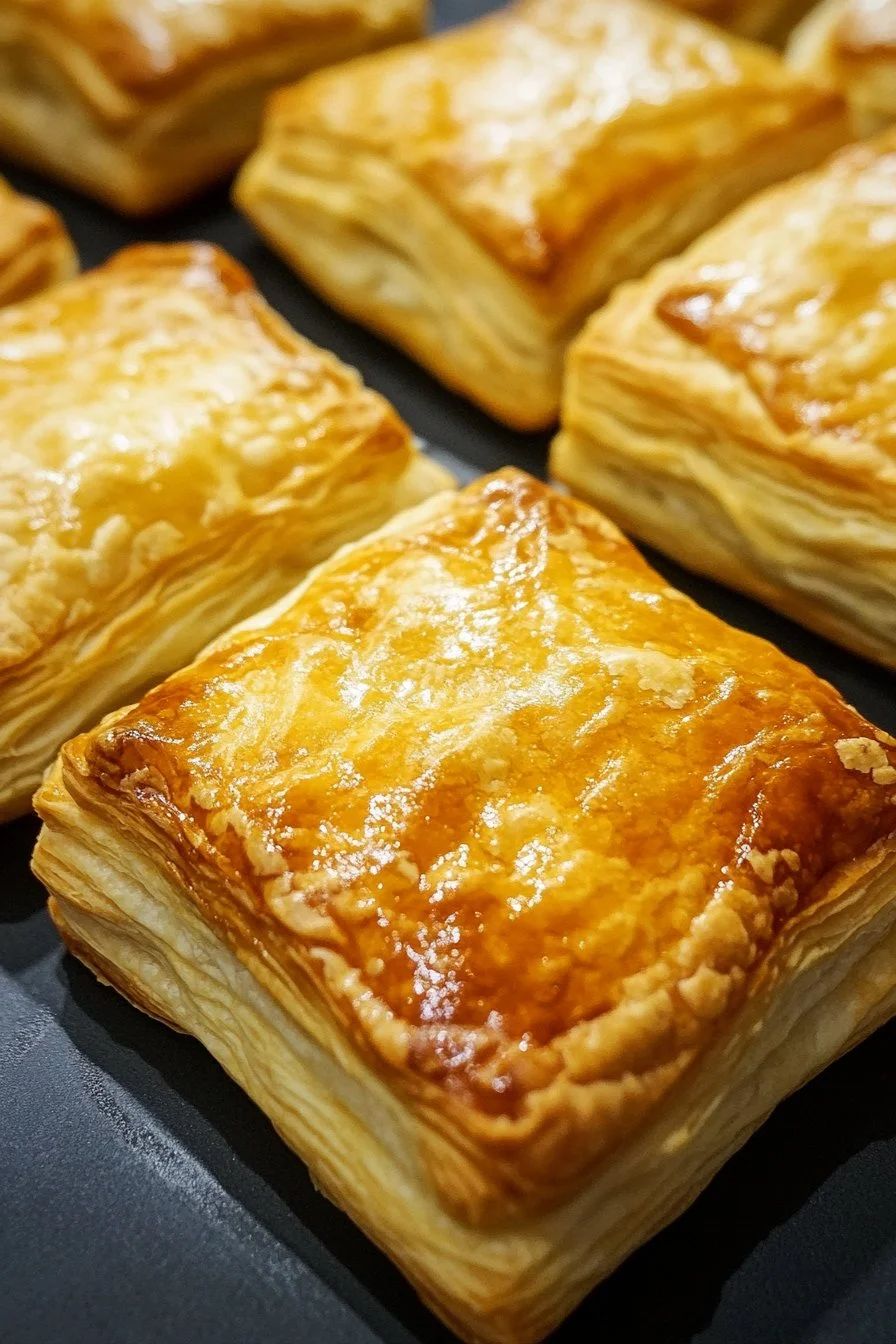
Beautifully baked homemade puff pastry offers a stunning presentation for any table. When serving, consider showcasing the dish on an elegant platter. The golden-brown color and flaky layers spark excitement and anticipation among your guests.
Garnish your finished product with a dusting of powdered sugar for a sweet dessert or fresh herbs for a savory dish. These little details elevate the dining experience, allowing each bite to shine.
Pairings/Storage
Explore various pairings to enjoy with your homemade puff pastry. Create delightful appetizers with fresh vegetables or cheeses. On the sweeter side, pair your pastry with fresh fruits, whipped cream, or custard to complement those delicate layers.
For storage, wrap any leftover pastry in plastic wrap or place it in an airtight container. Store it in the refrigerator for a few days or freeze it for up to a month. By taking these steps, you can preserve your delicious creations, ready to enjoy later when the craving strikes.
The journey of making homemade puff pastry captures the essence of cooking. It combines simple ingredients into magnificent and memorable meals, enriched by the process itself. Use this recipe as a starting point to unlock the full potential of homemade baking, creating flavors that warm hearts and satisfy appetites.