📑 Table of Contents ▶
- Korean Beef Bulgogi Essentials
- Fundamentals
- Preparation/Setup
- Directions
- Elevating Your Korean Beef Bulgogi Experience
- Technique
- Tips/Tricks
- Perfecting the Results
- Perfecting Results
- Troubleshooting/Variations
- Serving and Storing Korean Beef Bulgogi
- Serving/Presentation
- Pairings/Storage
- Korean Beef Bulgogi
- More Beef & Steak Recipes You’ll Love
- Related posts:
- Loaded Potato Soup
- Easy Creamy Lasagna Soup
- Honey Sesame Chicken (Better Than Takeout!)
Korean Beef Bulgogi Recipe
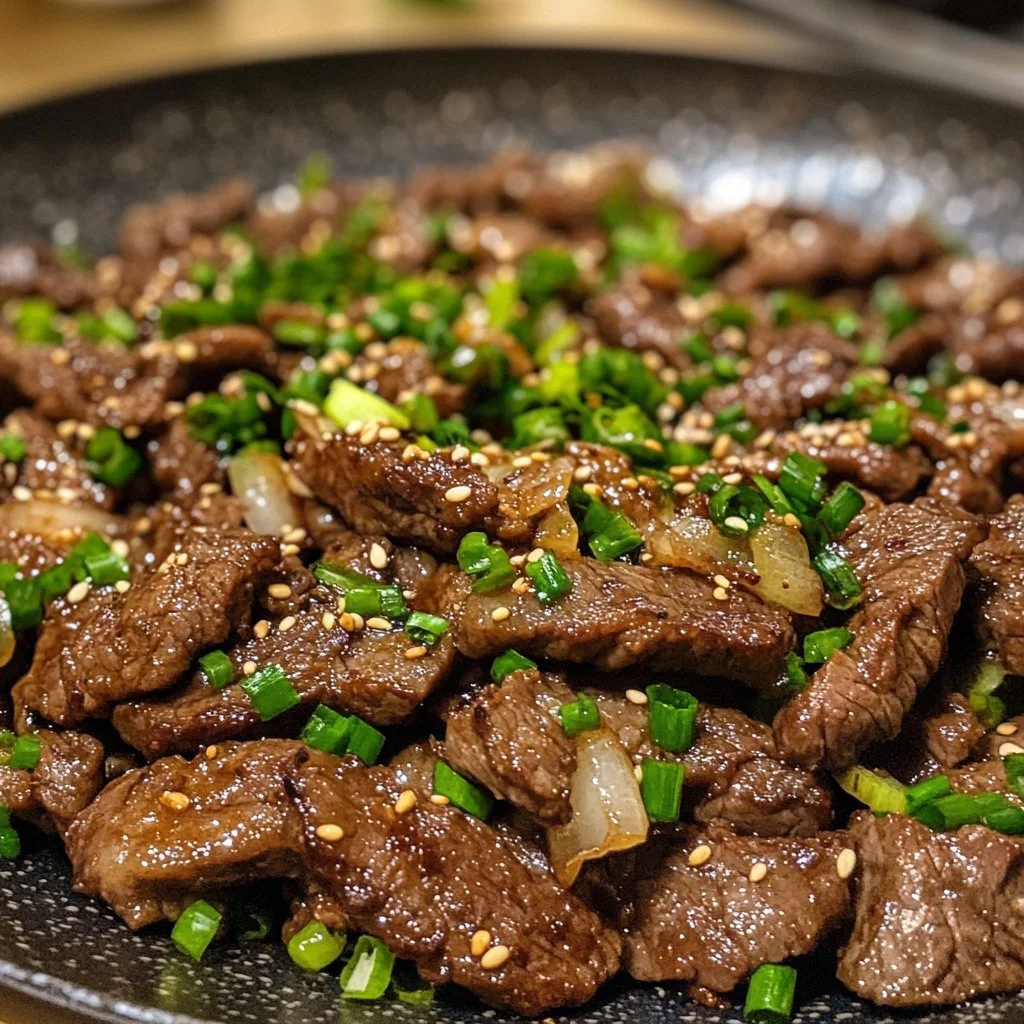
Capturing the vibrant essence of Korean cuisine, Korean beef bulgogi delivers delightful flavors that transcend borders. Imagine sizzling marinated beef on a hot grill, the aroma wafting through your kitchen, inviting everyone to the table. This dish often evokes memories of bustling family gatherings, where laughter mingles with the tantalizing scent of grilled meat.
Korean beef bulgogi celebrates tender, thinly sliced beef, enhanced by a savory-sweet marinade. It’s a dish that brings warmth and a sense of togetherness—perfect for cozy weeknight dinners or festive occasions. The combination of soy sauce, garlic, and ginger crafts a savory profile, while a hint of sweetness from brown sugar harmonizes beautifully.
Trying your hand at making Korean beef bulgogi opens up possibilities for exploration. You can wrap the flavorful beef in crisp lettuce leaves, offering a refreshing crunch that complements the rich flavors. This dish serves not just as a meal but as a joyful experience, cooking and sharing ideas with loved ones. Dive into this culinary adventure and discover how to create authentic Korean beef bulgogi right in your kitchen.
Korean Beef Bulgogi Essentials
Fundamentals
Creating Korean beef bulgogi relies on a few essential components that work in harmony to elevate the dish. The star ingredient is the beef, and thinly slicing it against the grain ensures tenderness. Choose either ribeye or sirloin for the best flavor and texture. These cuts hold up well to high-heat cooking and absorb the marinade beautifully.
The marinade, which forms the heart of the dish, combines soy sauce and brown sugar as the primary flavors. Adding sesame oil infuses nuttiness while garlic and ginger provide depth. Grated Asian pear or red apple adds a sweet note that balances the savory. You can customize further with mirin for a touch of umami or gochujang if you wish for a spicy kick.
Preparation/Setup
Preparation involves marinating the beef to maximize flavor absorption. For the best results, allow at least 30 minutes but ideally a few hours or overnight for the meat to soak up the marinade. This method tenderizes the meat and boosts the flavor intensity, setting the stage for a taste explosion when cooked.
While the beef marinates, prepare your vegetables. Chop onions, julienne carrots, and slice mushrooms, which add texture and earthiness to the dish. This preparation not only sets up your cooking but also allows the ingredients to shine through in every bite.
Ingredients
- 1.5 lbs ribeye or sirloin steak, thinly sliced against the grain
- 6 tbsp soy sauce
- 3 tbsp brown sugar
- 2 tbsp sesame oil
- 4 cloves garlic, minced
- 1 tbsp fresh ginger, grated
- 1/2 Asian pear or red apple, grated
- 2 tbsp mirin (optional)
- 1 tbsp gochujang (optional, for spice)
- 1/4 tsp black pepper
- 2 tbsp finely chopped green onions
- 1 tsp toasted sesame seeds
- 1 tbsp neutral oil (for cooking)
- 1 small onion, thinly sliced
- 1 carrot, julienned
- 1 cup mushrooms (shiitake or white button), sliced
- 2 tbsp honey butter (1 tbsp melted butter + 1 tbsp honey, mixed)
- Cooked rice, for serving
- Lettuce leaves or perilla leaves, for wrapping
- Extra sesame seeds and sliced green onions, for garnish
Directions
- In a large bowl, combine soy sauce, brown sugar, sesame oil, garlic, ginger, grated Asian pear or apple, mirin (if using), gochujang (if using), and black pepper. Mix well until the sugar dissolves.
- Add the thinly sliced beef to the marinade, ensuring each piece is fully coated. Cover and refrigerate for at least 30 minutes, or up to overnight.
- Heat a grill pan or cast iron skillet over medium-high heat. Add 1 tablespoon of neutral oil.
- Remove the marinated beef from the refrigerator. Add the beef in batches to the hot skillet, avoiding overcrowding. Cook for 2–3 minutes per side until caramelized.
- Just before the beef finishes cooking, drizzle with honey butter and quickly toss to coat.
- Remove from the pan and set aside, keeping warm.
- In the same pan, add sliced onions, julienned carrots, and mushrooms. Sauté for a few minutes until tender.
- Serve the bulgogi with cooked rice and let everyone wrap the beef in lettuce or perilla leaves. Garnish with extra sesame seeds and green onions.
Elevating Your Korean Beef Bulgogi Experience
Technique
Mastering Korean beef bulgogi largely depends on timing and technique. Ensuring your beef is thinly sliced is crucial—it allows for quick cooking while retaining tenderness. A sharp knife and a firm hand will help achieve the perfect slices. Marinating the beef thoroughly prepares it for the heat, allowing the flavor to deepen.
Once on the grill or skillet, resist the temptation to constantly flip the beef. Allow it to sear and caramelize, which adds that signature taste and texture. A single layer of beef helps ensure even cooking, so batch cooking is key to maintaining quality.
Tips/Tricks
To add more depth to your bulgogi, consider incorporating other vegetables such as bell peppers or zucchini. These can enhance the dish’s visual appeal and provide additional nutrients. If you prefer a milder dish, adjust the amount of gochujang according to your heat preference.
Experimenting with different garnishes can also elevate the final presentation. A sprinkle of fresh herbs, such as cilantro or parsley, can add freshness. For those who love a crunch, toasted sesame seeds provide a delightful texture.
Perfecting the Results
Perfecting Results
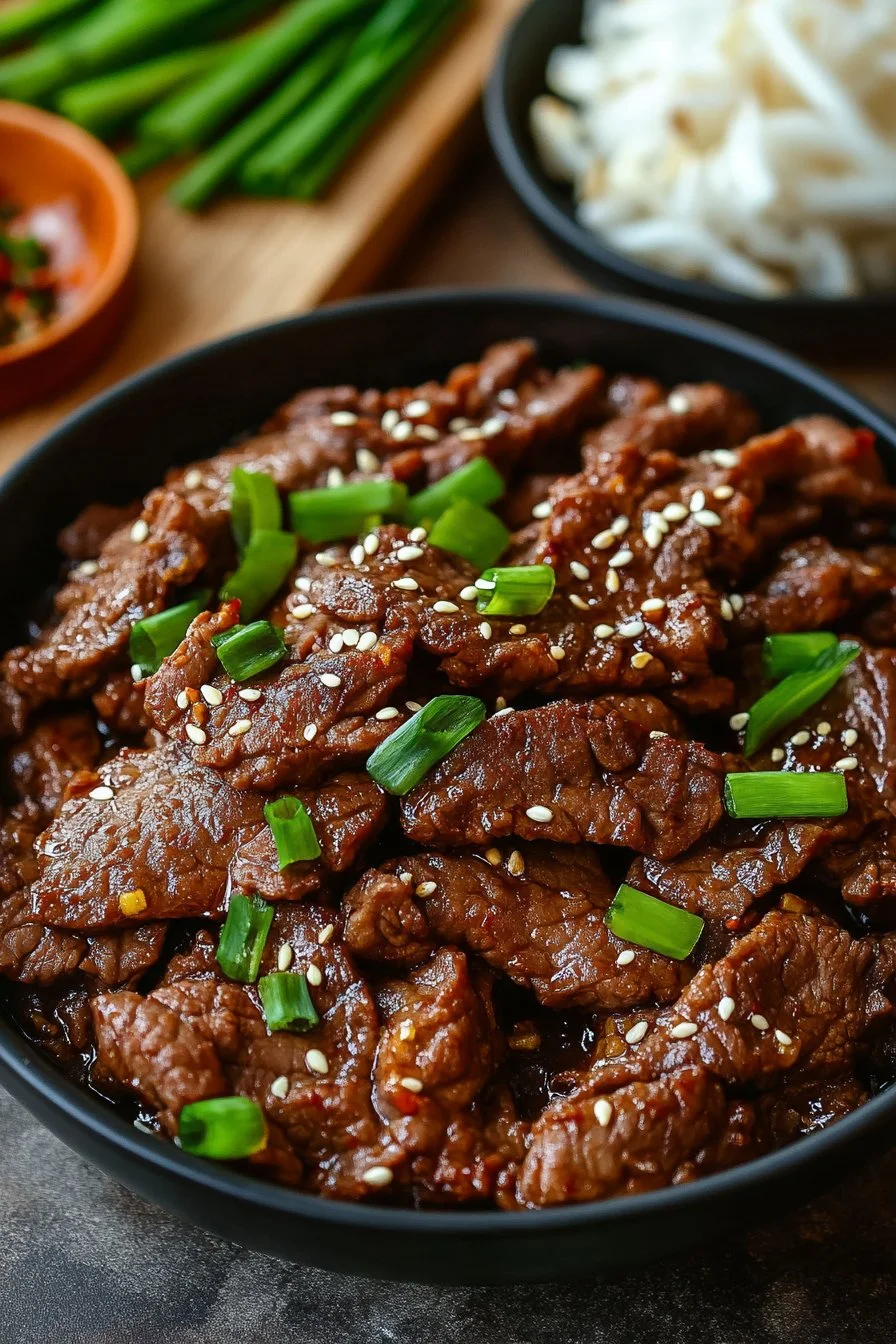
For an authentic Korean dining experience, focus on the presentation. Arrange the cooked bulgogi on a large platter surrounded by vibrant vegetables. The colors will entice your guests and increase anticipation. Serve with small bowls of rice and make sure everyone has lettuce leaves ready for wrapping.
Another element to think about is your choice of side dishes, or banchan. Consider serving kimchi, pickled radishes, or other light appetizers to complement the rich flavors of bulgogi. This balance will create a well-rounded meal.
Troubleshooting/Variations
If your beef becomes tough, it’s likely due to overcooking. The thin slices cook quickly, so keep a close eye during that process. Additionally, if the flavor isn’t as bold as desired, a longer marinating time will typically solve this.
Variations can introduce different components while retaining that beloved bulgogi flavor. Use tofu for a vegetarian twist, or try different cuts of beef like flank or skirt steak. Each choice will offer a unique texture and flavor profile, keeping your meals exciting.
Serving and Storing Korean Beef Bulgogi
Serving/Presentation
To serve, lay out all your components buffet-style. Allow guests to build their own lettuce wraps filled with beef, veggies, and rice. This interactive dining experience is not just delicious but also fun. For a finishing touch, provide small bowls for dipping sauces, amplifying flavor on flavor.
As for presentation, consider using leafy greens like romaine or perilla leaves for a crunch and freshness that pairs well with the savory beef. Artfully arrange the vegetables on the platter for visual appeal, and don’t forget the final sprinkle of sesame seeds and chopped green onions.
Pairings/Storage
Pair Korean beef bulgogi with staples like steamed rice or noodles. These simple sides balance the dish’s boldness and absorb the flavorful juices. For freshness, serve with a side salad or pickled vegetables to enhance the overall dining experience.
Storing leftovers is straightforward. Place them in an airtight container and refrigerate for up to three days. When reheating, take care not to overcook, as the beef can become tough. Gentle heating in a skillet while adding a splash of water can revitalize the dish and keep it tender.
Korean beef bulgogi exemplifies how a few quality ingredients can create a meal bursting with flavor. Embrace the process, share it with loved ones, and enjoy the magic of home-cooked delights.
Print
Korean Beef Bulgogi
- Total Time: 45 minutes
- Yield: 4 servings 1x
- Diet: Gluten-Free
Description
Experience the vibrant flavors of Korean Beef Bulgogi, featuring tender marinated beef cooked to perfection.
Ingredients
- 1.5 lbs ribeye or sirloin steak, thinly sliced against the grain
- 6 tbsp soy sauce
- 3 tbsp brown sugar
- 2 tbsp sesame oil
- 4 cloves garlic, minced
- 1 tbsp fresh ginger, grated
- 1/2 Asian pear or red apple, grated
- 2 tbsp mirin (optional)
- 1 tbsp gochujang (optional, for spice)
- 1/4 tsp black pepper
- 2 tbsp finely chopped green onions
- 1 tsp toasted sesame seeds
- 1 tbsp neutral oil (for cooking)
- 1 small onion, thinly sliced
- 1 carrot, julienned
- 1 cup mushrooms (shiitake or white button), sliced
- 2 tbsp honey butter (1 tbsp melted butter + 1 tbsp honey, mixed)
- Cooked rice, for serving
- Lettuce leaves or perilla leaves, for wrapping
- Extra sesame seeds and sliced green onions, for garnish
Instructions
- In a large bowl, combine soy sauce, brown sugar, sesame oil, garlic, ginger, grated Asian pear or apple, mirin (if using), gochujang (if using), and black pepper. Mix well until the sugar dissolves.
- Add the thinly sliced beef to the marinade, ensuring each piece is fully coated. Cover and refrigerate for at least 30 minutes, or up to overnight.
- Heat a grill pan or cast iron skillet over medium-high heat. Add 1 tablespoon of neutral oil.
- Remove the marinated beef from the refrigerator. Add the beef in batches to the hot skillet, avoiding overcrowding. Cook for 2–3 minutes per side until caramelized.
- Just before the beef finishes cooking, drizzle with honey butter and quickly toss to coat.
- Remove from the pan and set aside, keeping warm.
- In the same pan, add sliced onions, julienned carrots, and mushrooms. Sauté for a few minutes until tender.
- Serve the bulgogi with cooked rice and let everyone wrap the beef in lettuce or perilla leaves. Garnish with extra sesame seeds and green onions.
Notes
For a milder dish, adjust the amount of gochujang according to your heat preference.
- Prep Time: 30 minutes
- Cook Time: 15 minutes
- Category: Main Course
- Method: Grilling
- Cuisine: Korean
Nutrition
- Serving Size: 1 serving
- Calories: 450
- Sugar: 8g
- Sodium: 600mg
- Fat: 20g
- Saturated Fat: 4g
- Unsaturated Fat: 10g
- Trans Fat: 0g
- Carbohydrates: 40g
- Fiber: 2g
- Protein: 30g
- Cholesterol: 70mg
Keywords: Korean beef, bulgogi, grilled meat, quick dinner, Asian cuisine