📑 Table of Contents ▶
- Creating a Flavorful Tuscan Ragu
- Fundamentals
- Preparation/Setup
- Directions
- Elevating Your Tuscan Ragu
- Technique
- Tips and Tricks
- Perfecting Your Dish
- Perfecting Results
- Troubleshooting and Variations
- Serving and Enjoying Your Ragu
- Serving and Presentation
- Pairings and Storage
- Related posts:
- Grilled Hasselback Potatoes with Chive Butter
- Blackened Seared Tuna Tacos
- Vegan Tuscan Soup
Tuscan Ragu
Cooking has a magical way of transforming ordinary moments into cherished memories. One dish that holds a special place in my heart is Tuscan Ragu. Growing up, I remember standing on a stool next to my grandmother as she stirred a bubbling pot of rich, meaty sauce. The aroma filled the kitchen, drawing everyone together. This dish became our family’s centerpiece during gatherings, each bite telling stories of love and tradition.
Tuscan Ragu is more than just food; it symbolizes connection and shared experiences. The cozy warmth of this meal brings families together, offering comfort and satisfaction. Using simple ingredients, this dish proves that home cooking can be both approachable and gratifying. It invites anyone, from beginners to seasoned chefs, to create something delightful.
As I embark on this culinary journey with you, I invite you to embrace the heart of this recipe. The flavors develop beautifully over time, making it perfect for a lazy weekend or a special occasion. Let’s dive into the world of Tuscan Ragu and explore how to bring this timeless dish to your dining table.
Creating a Flavorful Tuscan Ragu
Fundamentals
Tuscan Ragu, often known as ragù alla toscana, offers a hearty and robust flavor profile. It serves as a foundation for many Italian dishes, particularly pasta. The combination of ground beef, aromatic vegetables, and tomatoes creates a deep, savory sauce that delights the palate. Balancing these ingredients enhances the overall complexity of the dish, making it an all-time favorite.
Understanding the fundamentals of this recipe involves recognizing the significance of each component. Fresh vegetables like onions, carrots, and celery, also known as a mirepoix, provide a flavor base, while crushed tomatoes and tomato paste introduce richness. Ground beef, complemented by pork, ensures the sauce maintains its hearty texture. Gradually simmering the sauce allows the flavors to meld, resulting in a satisfying and comforting meal.
Preparation/Setup
To prepare this delightful Tuscan Ragu, gather your ingredients and equipment. You’ll need a large pot or Dutch oven, a cutting board, and a sharp knife for chopping vegetables. Start by finely chopping the onion, carrots, and celery. This essential step ensures even cooking and releases the vegetables’ natural sweetness during sautéing.
Next, heat the olive oil in the pot over medium heat. Adding the chopped vegetables to the oil will create a foundation of flavor. Sauté these until they soften, allowing their essence to infuse the oil. Incorporating garlic at this stage amplifies the aroma and adds depth to the dish.
Once the vegetables are aromatic and tender, you can introduce the ground beef and pork. Cook them until they brown evenly, ensuring you break up any clumps for better texture. This step is crucial, as browning meat adds a rich, savory flavor through the Maillard reaction.
Ingredients
- 2 tablespoons olive oil
- 1 onion, finely chopped
- 2 carrots, finely chopped
- 2 celery stalks, finely chopped
- 2 garlic cloves, minced
- 500g ground beef
- 250g ground pork
- 2 cans (400g each) crushed tomatoes
- 1 tablespoon tomato paste
- 1 cup red wine (optional to omit)
- 1 teaspoon dried oregano
- 1 bay leaf
- Salt and pepper to taste
- Fresh basil for garnish
- Pasta of choice
Directions
- Heat olive oil in a large pot over medium heat. Add the onion, carrots, and celery, and sauté until softened.
- Stir in the garlic and cook for another minute.
- Add the ground beef and pork, cooking until browned.
- Stir in the crushed tomatoes, tomato paste, the optional ingredient, oregano, bay leaf, salt, and pepper.
- Bring to a simmer, then reduce heat to low and let cook for at least 1 hour, stirring occasionally.
- Remove the bay leaf, adjust seasoning, and serve over cooked pasta.
- Garnish with fresh basil.
Elevating Your Tuscan Ragu
Technique
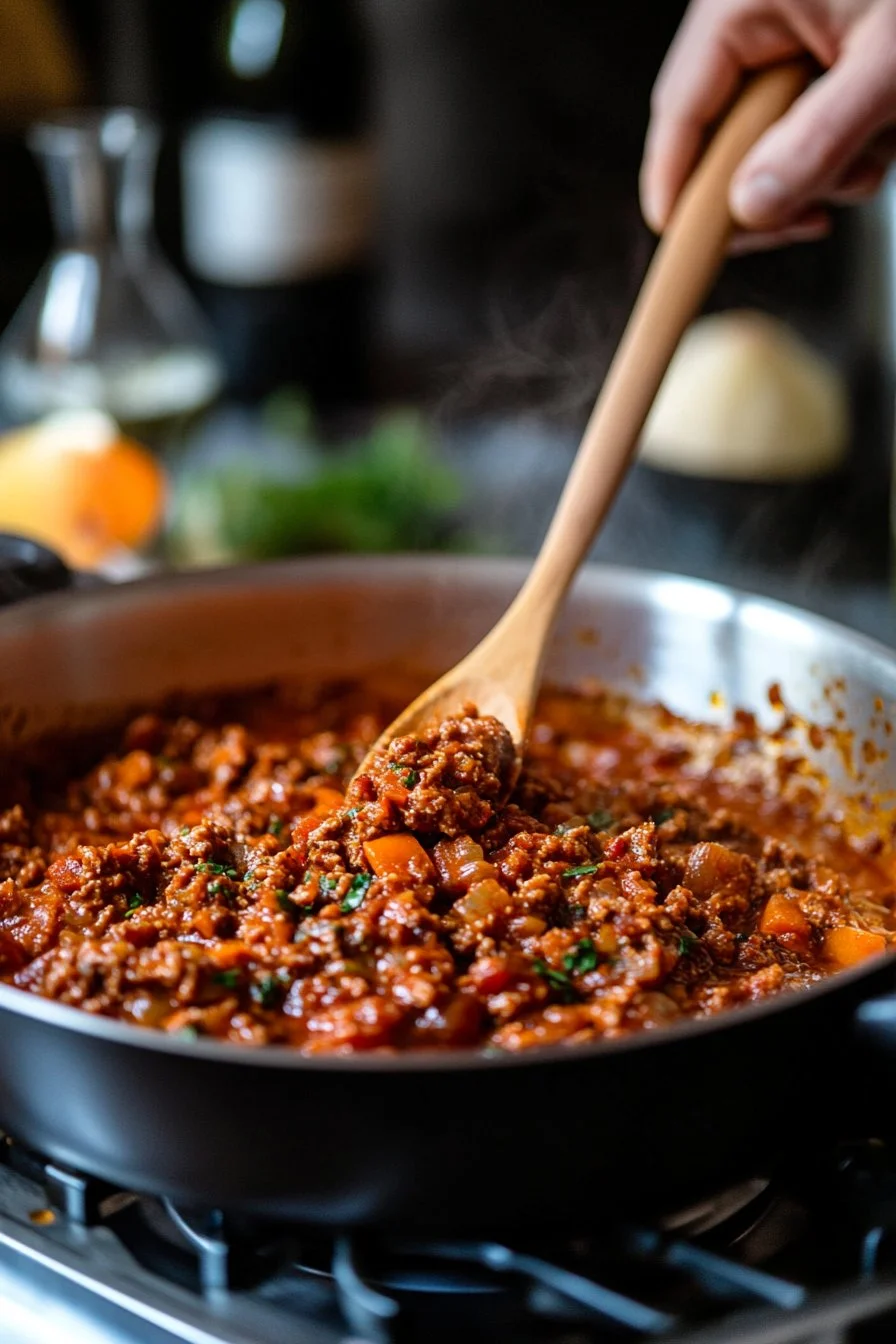
Perfecting the technique for Tuscan Ragu involves patience and attention to detail. Simmering the sauce for an extended period allows flavors to intensify. Stir the sauce occasionally to prevent it from sticking to the bottom of the pot. A longer cooking time lets the natural sugars in the tomatoes caramelize, adding a complex sweetness that balances the dish’s savory notes.
Adjusting the heat is equally important. If the sauce bubbles too vigorously, reduce the temperature to a gentle simmer. This low and slow method infuses every ingredient with rich, layered flavors. Also, don’t skip the step of tasting as you go. Adjust seasoning to your preference for a well-rounded dish that excites your taste buds.
Tips and Tricks
A few tips can enhance your experience with Tuscan Ragu. First, consider using fresh herbs, like basil or thyme, to add aromatic notes. Adding them towards the end of cooking preserves their freshness. Additionally, excess fat can sometimes build up in the sauce. Skim off any unnecessary grease after simmering to maintain a cleaner finish.
For those who love a bit of heat, consider adding a pinch of red pepper flakes during cooking. This complement can balance the richness of the sauce beautifully. Lastly, preparing the ragu a day in advance allows the flavors to develop further, making it even more delicious when reheated.
Perfecting Your Dish
Perfecting Results
Achieving the perfect Tuscan Ragu depends on using quality ingredients and mastering the cooking time. Opt for ground beef with a higher fat content for a richer flavor. Also, choose crushed tomatoes without added sugars or preservatives for the best taste.
Simmering the ragu for several hours results in a sauce that clings beautifully to pasta. If the sauce appears too thick, add a splash of water or broth to reach your desired consistency. Letting it rest for a few minutes before serving allows flavors to meld, leading to a better overall dish.
Troubleshooting and Variations
Sometimes, cooking doesn’t go as planned. If your sauce tastes too acidic, a pinch of sugar can help balance the flavors. Adding a little more salt can enhance the overall taste as well. If the ragu has a watery consistency, let it simmer longer to reduce, or add a thickening agent such as tomato paste.
For variations, feel free to experiment with different types of ground meat or additional vegetables. Substituting some of the ground beef with veal can introduce tender flavors, while adding mushrooms can lend earthy notes. Fresh peppers or zucchini can complement the existing vegetables, adding crunch and freshness.
Serving and Enjoying Your Ragu
Serving and Presentation
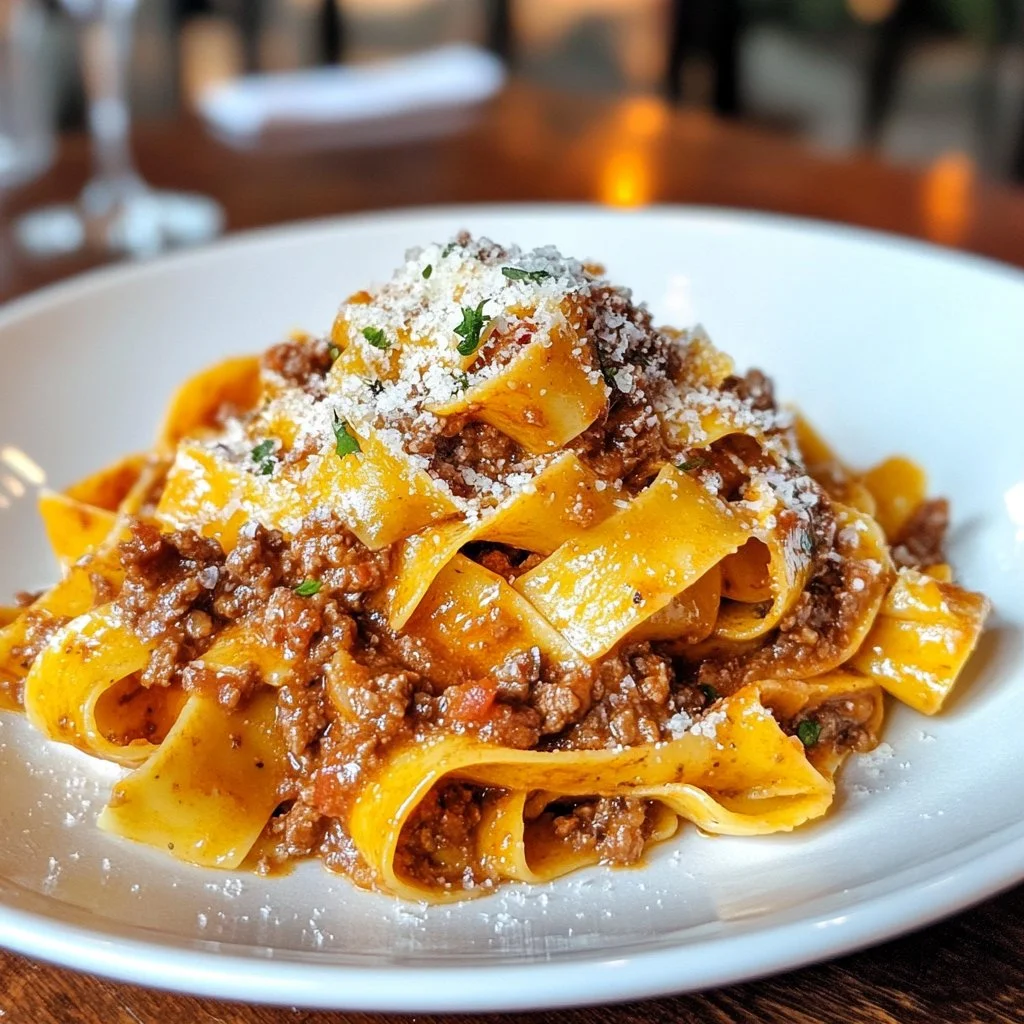
When serving Tuscan Ragu, choose your favorite pasta, whether pappardelle, fettuccine, or penne. Generously ladle the ragu over the pasta in a large bowl or individual plates. Garnish with fresh basil and a sprinkle of grated cheese, if desired. Presenting this dish with a side of garlic bread or a fresh green salad enhances the overall meal experience.
Pairings and Storage
Tuscan Ragu pairs beautifully with a variety of side dishes. Consider offering crusty bread or a refreshing salad to balance the richness of the sauce. For those who enjoy a hint of acid, a simple vinaigrette on the side adds a lively touch.
When it comes to storage, Tuscan Ragu keeps well in the fridge for up to three days. It also freezes nicely, allowing you to enjoy its flavors later. Simply reheat on the stove, adding a splash of water if needed to restore its consistency.
In summary, mastering Tuscan Ragu involves practicing techniques, experimenting with flavors, and presenting the dish beautifully. By embracing the basics and allowing room for creativity, this dish becomes a heartfelt staple in any household. Enjoy every moment spent cooking and sharing this incredible recipe with friends and family.
Print
Tuscan Ragu
- Total Time: 75 minutes
- Yield: 6 servings 1x
- Diet: Omnivore
Description
Hearty and robust Tuscan Ragu, a delightful meat sauce perfect for pasta, embodying family traditions and warmth.
Ingredients
- 2 tablespoons olive oil
- 1 onion, finely chopped
- 2 carrots, finely chopped
- 2 celery stalks, finely chopped
- 2 garlic cloves, minced
- 500g ground beef
- 250g ground pork
- 2 cans (400g each) crushed tomatoes
- 1 tablespoon tomato paste
- 1 cup red wine (optional)
- 1 teaspoon dried oregano
- 1 bay leaf
- Salt and pepper to taste
- Fresh basil for garnish
- Pasta of choice
Instructions
- Heat olive oil in a large pot over medium heat. Add the onion, carrots, and celery, and sauté until softened.
- Stir in the garlic and cook for another minute.
- Add the ground beef and pork, cooking until browned.
- Stir in the crushed tomatoes, tomato paste, red wine, oregano, bay leaf, salt, and pepper.
- Bring to a simmer, then reduce heat to low and let cook for at least 60 minutes, stirring occasionally.
- Remove the bay leaf, adjust seasoning, and serve over cooked pasta.
- Garnish with fresh basil.
Notes
Simmering the sauce longer enhances flavor. Use quality ingredients for best results. Adjust seasonings to taste and consider adding fresh herbs.
- Prep Time: 15 minutes
- Cook Time: 60 minutes
- Category: Main Course
- Method: Simmering
- Cuisine: Italian
Nutrition
- Serving Size: 1 serving
- Calories: 500
- Sugar: 7g
- Sodium: 800mg
- Fat: 25g
- Saturated Fat: 10g
- Unsaturated Fat: 15g
- Trans Fat: 0g
- Carbohydrates: 40g
- Fiber: 3g
- Protein: 35g
- Cholesterol: 70mg
Keywords: Tuscan Ragu, Italian meat sauce, pasta sauce, family recipe