📑 Table of Contents ▶
- Fajita Vegetables
- Fundamentals
- Preparation/setup
- Directions
- Sautéed Fajita Vegetables
- Technique
- Tips/tricks
- Elevating Fajita Vegetables
- Perfecting results
- Troubleshooting/variations
- Serving Fajita Vegetables
- Presentation
- Pairings/storage
- Related posts:
- Poblano Chicken Tortilla Soup
- Blackened Seared Tuna Tacos
- Cajun Potato Soup Recipe
Fajita Vegetables (Chipotle Copycat)
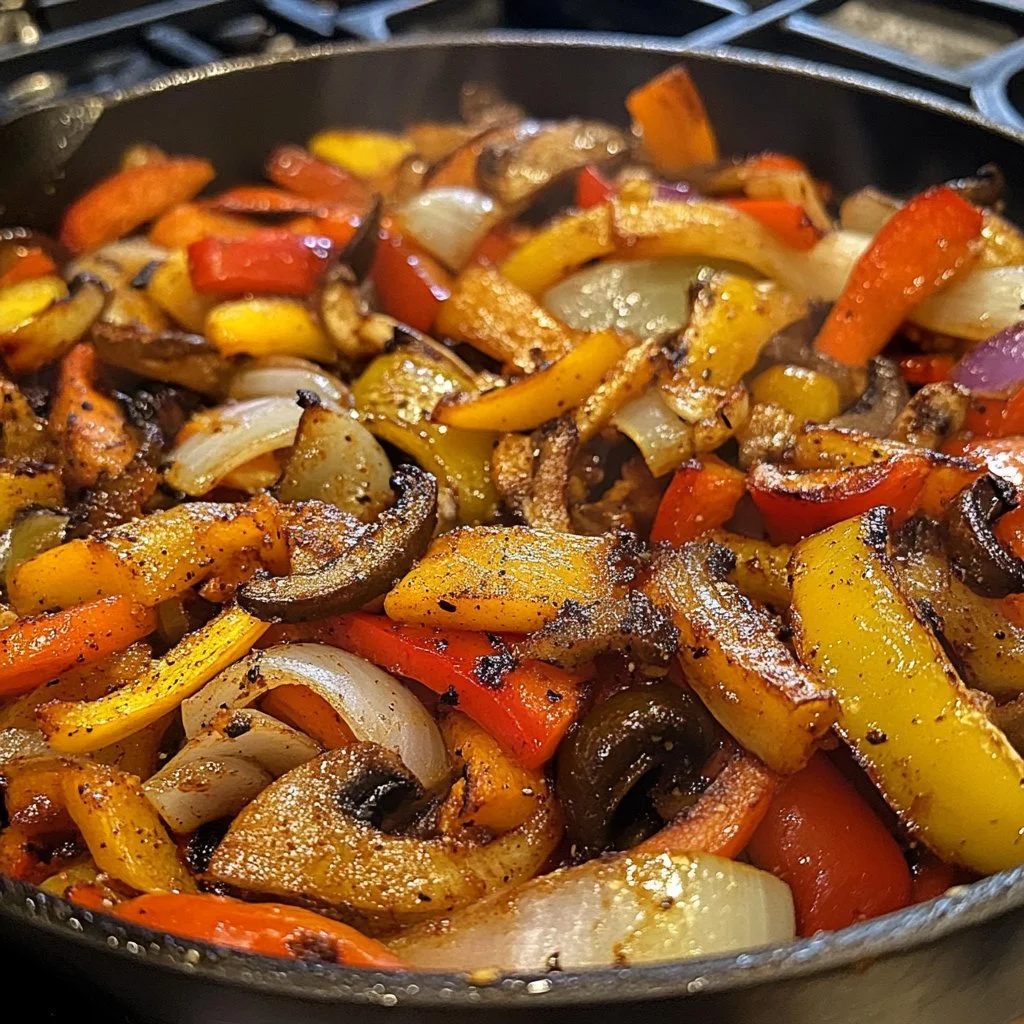
There’s something truly special about fajita vegetables. They bring vibrant colors, rich flavors, and that unmistakable sizzle to the dinner table. Memories of family dinners filled with laughter and delicious aromas flood my mind every time I prepare them. Simple ingredients like bell peppers and onions can transform into something magical when sautéed just right.
The irresistible allure of these fajita vegetables lies in their versatility. They work beautifully as a filling for tacos or burritos and can serve as a colorful side dish. With a blend of spices like chili powder and cumin, every bite bursts with flavor. Whether enjoyed on a casual weeknight or during a festive gathering, these sautéed veggies never fail to impress.
Creating these fajita vegetables is straightforward and doesn’t require any fancy techniques. The joy comes from the vibrant colors and the inviting aroma as they cook. This recipe brings together simple ingredients that turn into something delightful, showcasing how cooking can connect loved ones through shared experiences.
Fajita Vegetables
Fundamentals
Fajita vegetables need just a few essentials: sliced bell peppers and red onions, generously seasoned and cooked to perfection. Choosing the right bell pepper adds a splash of color and sweetness. You can select from vibrant green, yellow, or red options, each bringing its flavor profile. Red onions complement the sweetness of the peppers while providing a slight sharpness.
The fundamental technique for creating these delicious fajita vegetables is to sauté them. This method not only brings out their natural sweetness but also allows for a lovely caramelization. The spices like chili powder and cumin meld together, creating a warm, savory foundation that elevates the dish.
Preparation/setup
Before cooking, gather all the ingredients for ease. You’ll need one bell pepper, one red onion, olive oil, chili powder, cumin, salt, and pepper. Slice the bell pepper and red onion uniformly to ensure even cooking.
Heat your skillet over medium heat before adding the olive oil. This initial step is crucial; it ensures the vegetables start sautéing right away and don’t stick to the skillet. Using a large skillet provides enough space for the vegetables to cook without overcrowding. Avoid rushing this process, as relaxing into the cooking will allow all the flavors to shine, making your fajita vegetables more enjoyable.
Ingredients
- 1 bell pepper (any color), sliced
- 1 red onion, sliced
- 2 tablespoons olive oil
- 1 teaspoon chili powder
- 1 teaspoon cumin
- Salt and pepper to taste
- Fresh lime juice (optional)
- Chopped cilantro (for garnish, optional)
Directions
- Heat olive oil in a large skillet over medium heat.
- Add the sliced bell peppers and onions to the skillet.
- Sprinkle chili powder, cumin, salt, and pepper over the veggies.
- Sauté the vegetables for about 5-7 minutes, until they are softened and slightly caramelized.
- Remove from heat and squeeze fresh lime juice over the veggies, if desired.
- Garnish with chopped cilantro before serving.
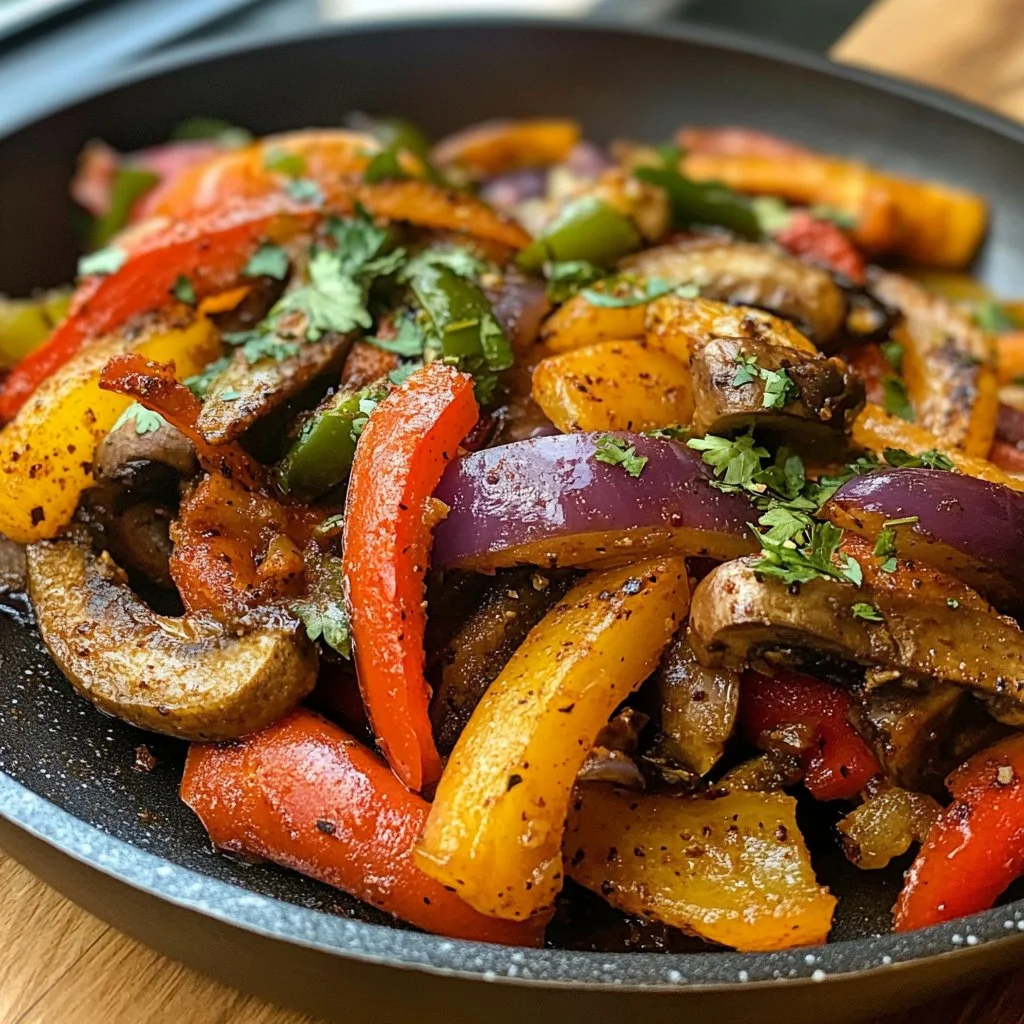
Sautéed Fajita Vegetables
Technique
Sautéing is a fantastic technique that captures the natural essence of vegetables like bell peppers and onions. It’s fun to watch the vibrant colors brighten and the spices seep in as they cook. Achieving that slightly caramelized texture takes practice but adds depth to the dish.
When sautéing, keep stirring the vegetables to promote even cooking. This will give each piece the chance to absorb the aromatic spices fully. If the heat is too high, the veggies may char before they soften, altering the intended flavor balance.
Tips/tricks
To make your fajita vegetables stand out, begin with high-quality produce. Fresh vegetables will make a world of difference, delivering better flavor and texture. Experimenting with various peppers can also enhance the dish—try using a mix of sweet and slightly spicy peppers to introduce new flavor dimensions.
For an added depth of flavor, consider roasting the vegetables instead of sautéing them. This method introduces a slightly smoky note, infusing the dish with different character. Just remember to keep an eye on them to avoid overcooking.
Elevating Fajita Vegetables
Perfecting results
To achieve the best results with fajita vegetables, patience is key. Allow the vegetables ample time in the skillet to reach that perfect balance of soft yet crispy. Additionally, adjust cooking times based on how you prefer your veggies—shorter for a crunchier texture and longer for softer results.
Another important tip is to be mindful of salt. Start with a small amount and gradually add more as needed. This practice allows you to control the seasoning better and avoid over-salting the dish.
Troubleshooting/variations
If the vegetables seem too bland, consider adjusting the spices. A little extra chili powder or cumin can elevate flavor significantly. On the flip side, if you accidentally go too heavy on the seasoning, a splash of fresh lime juice can help balance it out.
Feel free to play around with the ingredients as well. Adding corn or black beans can add texture and nutritional value to the dish. You can even incorporate sliced mushrooms for an earthy flavor, adjusting cooking time accordingly.
Serving Fajita Vegetables
Presentation
Fajita vegetables not only taste great but also look inviting. Their vibrant colors make them visually appealing on any plate. Serve them warm in a large, colorful bowl garnished with freshly chopped cilantro.
Using lime wedges on the side can encourage diners to squeeze fresh lime juice over the top, adding a zesty touch. Serving these veggies alongside a warm tortilla encourages sharing, turning dinner into a communal experience.
Pairings/storage
While these fajita vegetables are delightful as a stand-alone dish, they pair wonderfully with grilled chicken, beef, or fish. Additionally, consider serving them over rice or as a topping for nachos.
For leftovers, store any uneaten fajita vegetables in an airtight container in the refrigerator. They can last for a few days but may lose some of their vibrant texture. Reheating can be done in a skillet over medium heat with a splash of olive oil to restore some of that original sizzle.
Fajita vegetables encapsulate the essence of enjoyment and simplicity in cooking. They inspire creativity and communal dining, ensuring that every gathering becomes a memorable celebration of flavor.
Print
Fajita Vegetables (Chipotle Copycat)
- Total Time: 17 minutes
- Yield: 4 servings 1x
- Diet: Vegetarian
Description
Vibrant and flavorful sautéed fajita vegetables, perfect for tacos, burritos, or as a colorful side dish.
Ingredients
- 1 bell pepper (any color), sliced
- 1 red onion, sliced
- 2 tablespoons olive oil
- 1 teaspoon chili powder
- 1 teaspoon cumin
- Salt and pepper to taste
- Fresh lime juice (optional)
- Chopped cilantro (for garnish, optional)
Instructions
- Heat olive oil in a large skillet over medium heat.
- Add the sliced bell peppers and onions to the skillet.
- Sprinkle chili powder, cumin, salt, and pepper over the veggies.
- Sauté the vegetables for about 5-7 minutes, until they are softened and slightly caramelized.
- Remove from heat and squeeze fresh lime juice over the veggies, if desired.
- Garnish with chopped cilantro before serving.
Notes
Use high-quality, fresh vegetables for the best flavor. Experiment with different types of bell peppers for added richness.
- Prep Time: 10 minutes
- Cook Time: 7 minutes
- Category: Side Dish
- Method: Sautéing
- Cuisine: Mexican
Nutrition
- Serving Size: 1 serving
- Calories: 150
- Sugar: 3g
- Sodium: 200mg
- Fat: 9g
- Saturated Fat: 1g
- Unsaturated Fat: 7g
- Trans Fat: 0g
- Carbohydrates: 15g
- Fiber: 3g
- Protein: 2g
- Cholesterol: 0mg
Keywords: fajita vegetables, sautéed vegetables, Mexican cuisine, vegetarian side, colorful side dish