📑 Table of Contents ▶
- The Best White Bread from Scratch
- Fundamentals
- Preparation/setup
- Directions
- Technique
- Tips/tricks
- Perfecting results
- Troubleshooting/variations
- Serving/presentation
- Pairings/storage
- The Best White Bread from Scratch
- More Bread & Rolls Recipes You’ll Love
- Related posts:
- Strawberry Chicken Salad
- Creamy Crock Pot Chicken Pierogi Stew: How to Make the Best Comfort Food Ever
- Spicy Mexican Corn Bites
The Best White Bread from Scratch
Making the best white bread from scratch brings back memories of my childhood. I can still picture my grandmother in her kitchen, her hands expertly kneading dough on a floured countertop. The aroma of freshly baked bread would waft through the house, inviting everyone to gather and share a meal. That smell, so warm and comforting, is something I cherish.
The process of crafting white bread from scratch is a rewarding experience. It connects us with our roots and teaches us the importance of patience. Watching the dough rise teaches the value of anticipation, while the final product, golden and crusty, showcases what dedication can yield. It’s a lovely reminder of how simple ingredients can combine to create something remarkable.
Home-baked bread can elevate any meal, from sandwiches to toast with jam. Each slice seems to carry a story, a piece of love baked into it. Whether for a special occasion or a simple weeknight dinner, knowing how to make the best white bread from scratch adds a special touch to our culinary repertoire.
Let’s dive into the systematic approach to achieving this delightful homemade bread.
Fundamentals
Making the best white bread from scratch involves understanding a few key fundamentals. The beauty of bread lies in its simplicity. With just a few ingredients, you can create a delightful loaf that fills your home with warmth and joy. Bread-making is both an art and a science. Proper measurement and technique ensure that each loaf turns out perfectly every time.
Knowing your ingredients is essential. The flour serves as the backbone, forming the structure of the bread, while water activates the yeast. Sugar fuels the yeast, encouraging it to rise, while butter adds richness and flavor. Finally, salt elevates the taste and controls the fermentation process. Each component plays a vital role in producing the best white bread from scratch.
Time management is also crucial. Allow for adequate rising times to achieve a light, airy loaf. Remember to be patient; good things take time, especially when it comes to baking bread. Follow the steps closely, and you’ll find that baking bread can be both a joyful and fulfilling experience.
Preparation/setup
Before you embark on your bread-making journey, gather all your ingredients: 2 cups of warm water, 1/4 cup of sugar, 5 cups of flour, 2 teaspoons of yeast, 2 teaspoons of salt, and 3 tablespoons of softened butter. An organized workspace will help streamline the process and make it easier for you to follow each step.
Prepare a liquid measuring cup for combining the water and sugar. In a separate bowl, you’ll combine the dry ingredients. Using your hands to mix the butter into the flour will create a delightful crumbly texture. Have your loaf pans ready, greased and waiting for the beautiful dough. Setting everything up beforehand allows you to focus solely on making the bread, enhancing your experience in the kitchen.
Ingredients
- 2 cups warm water
- 1/4 cup sugar
- 5 cups flour
- 2 teaspoons yeast
- 2 teaspoons salt
- 3 tablespoons softened butter
These six ingredients blend together to create a delicious loaf. Each ingredient has a role, ensuring the bread rises and develops its unique flavor and texture. The combination of water and sugar activates the yeast, creating the magic that allows your dough to rise.
Directions
In a liquid measuring cup, combine 2 cups of warm water and 1/4 cup of sugar. Stir until the sugar dissolves.
Sprinkle 2 teaspoons of yeast over the water and let it sit for about 5-10 minutes.
While waiting for the yeast to activate, prepare a separate bowl by combining 5 cups of flour, 2 teaspoons of salt, and 3 tablespoons of softened butter. Mix everything together, gently rubbing the butter into the flour until evenly distributed.
Once you reach a crumbly texture, add the yeast water and stir until a dough begins to form.
While still in the bowl, knead the dough for 8-10 minutes. The dough will be sticky, but this is normal.
Cover the bowl with a clean kitchen towel or plastic wrap and let the dough rise in a warm, dark place. This takes about 1-2 hours, depending on your kitchen’s temperature.
After the first rise, gently punch down the dough to release air bubbles. On a floured surface, divide the dough into two equal portions and shape each into a loaf. Place the loaves in well-greased loaf pans.
Allow the dough to rise again for 30-45 minutes until it is about 1 inch above the edge of the pans.
Preheat your oven to 375°F (190°C). Bake the loaves for 25 minutes, until golden brown on top.
Remove the loaves from the pans and let them cool on a wire rack for at least 30 minutes. Cutting into the bread too soon can affect the texture.
Once cooled, slice the bread and enjoy with butter, jam, or your favorite spread.
Technique
The technique behind making the best white bread from scratch revolves around kneading and proving the dough. Kneading develops the gluten, giving the bread its structure. While the dough should feel sticky, working it gently with your hands helps create a pleasing texture.
If you’re using a stand mixer with a dough hook, knead the dough on medium speed for 5-7 minutes. This method allows the machine to do most of the work, leading to a consistent dough that kneads evenly. Regardless of the approach, focus on creating that desirable, elastic texture.
After kneading, the first rise is crucial. This step allows the yeast to create air pockets in the dough, leading to a light and airy loaf. Ensure that the dough is placed in a warm environment; this simple step dramatically impacts the outcome of your bread.
Tips/tricks
Perfecting your white bread involves small tricks that make a big difference. First, ensure that your yeast is fresh. Expired yeast can drastically hinder the rising process, leaving you with a denser loaf than desired.
Use a measuring cup for precise ingredient quantities. Baking is a science, and accuracy matters. When mixing your dough, resist the urge to add flour, even if it feels sticky. The moisture will work out during the kneading process.
For an additional flavor boost, consider experimenting with different types of flour or adding herbs. While the classic white bread is delightful, incorporating whole wheat or adding a sprinkle of garlic powder or rosemary can enhance flavors remarkably.
Perfecting results
To achieve the best possible results, pay close attention during the second rise. The dough should be puffy and just above the edge of the loaf pans. If your dough is still dense after the first rise, it may need more time. Every environment varies, and the temperature will affect how quickly the dough rises.
Baking can often feel intimidating, but it’s about finding the right balance between technique and intuition. Over time, you will become more attuned to the signs of perfectly risen dough.
Troubleshooting/variations
If your bread turns out too dense, consider revisiting the rising process. Insufficient rising time may lead to a heavy loaf. If that happens, allow it to double in size before baking.
Another common issue occurs when bread doesn’t brown on top. This can result from underbaking or a too-low oven temperature. Ensure your oven is correctly calibrated and practice your timing until you find perfection.
Feel free to experiment with different additions. Incorporating shredded cheese, nuts, or seeds not only provides variety but also enhances the overall flavor profile. The possibilities are endless when making the best white bread from scratch.
Serving/presentation
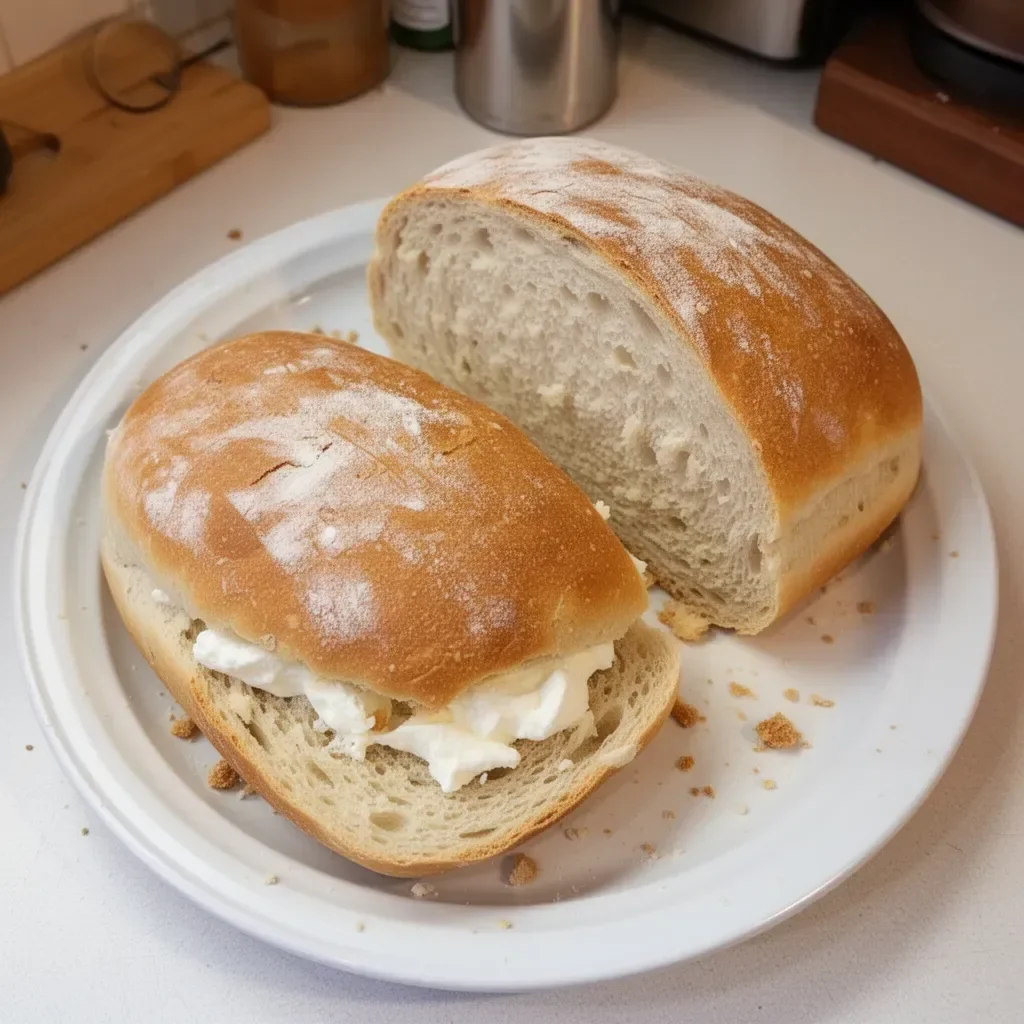
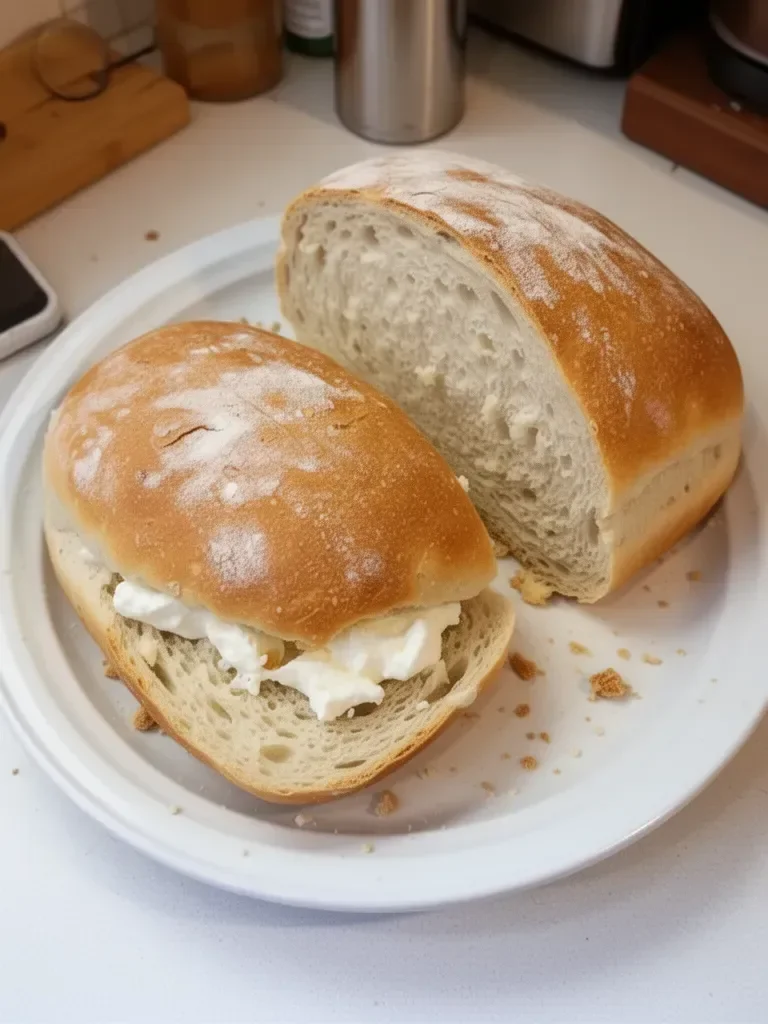
Once your delicious white bread cools, it’s time for presentation! Slice the bread evenly, allowing the soft, fluffy structure to shine through. Serve it warm, either fresh from the oven or toasted to perfection.
Create a beautiful bread basket for your dining table. Add elements like a small dish of softened butter or fresh herbs alongside your loaf. Guests will appreciate the thoughtful presentation and feel encouraged to partake in a delightful meal.
Pairings/storage
While this white bread shines as the star of the meal, it pairs beautifully with an array of spreads and toppings. From classic butter and jam to gourmet cheeses, the choices are endless.
For storage, keep your bread wrapped tightly in plastic wrap or in an airtight container to maintain freshness. It can last for several days, but do remember that homemade bread doesn’t contain preservatives. For longer storage, consider slicing and freezing portions for later enjoyment.
Creating the best white bread from scratch is a real culinary joy. It’s more than just baking—it’s about the connection it fosters and the memories it creates at the table. Enjoy the process, and soon you’ll find yourself sharing your delicious homemade loaves with friends and family. Each bite offers a reminder of the wholesome goodness found in traditional baking, inviting others to gather and share in the experience.
Print
The Best White Bread from Scratch
- Total Time: 90 minutes
- Yield: 2 loaves 1x
- Diet: Vegetarian
Description
A delightful homemade white bread that fills your home with warmth and joy, combining simple ingredients for a rich flavor.
Ingredients
- 2 cups warm water
- 1/4 cup sugar
- 5 cups flour
- 2 teaspoons yeast
- 2 teaspoons salt
- 3 tablespoons softened butter
Instructions
- Combine 2 cups of warm water and 1/4 cup of sugar in a liquid measuring cup and stir until dissolved.
- Sprinkle 2 teaspoons of yeast over the water and let sit for 5-10 minutes.
- Prepare a separate bowl by combining 5 cups of flour, 2 teaspoons of salt, and 3 tablespoons of softened butter, rubbing the butter into the flour.
- Add the yeast water to the flour mixture and stir until a dough begins to form.
- Knead the dough in the bowl for 8-10 minutes until sticky but elastic.
- Cover the bowl with a towel and let rise in a warm place for 1-2 hours.
- Punch down the dough and divide it into two loaves, placing them in greased loaf pans.
- Let the loaves rise again for 30-45 minutes until puffy.
- Preheat the oven to 375°F (190°C) and bake for 25 minutes until golden brown.
- Cool on a wire rack for at least 30 minutes before slicing.
Notes
Ensure your yeast is fresh for the best results. Experiment with different flours for unique flavors.
- Prep Time: 15 minutes
- Cook Time: 25 minutes
- Category: Bread
- Method: Baking
- Cuisine: American
Nutrition
- Serving Size: 1 slice
- Calories: 150
- Sugar: 2g
- Sodium: 150mg
- Fat: 3g
- Saturated Fat: 1g
- Unsaturated Fat: 2g
- Trans Fat: 0g
- Carbohydrates: 28g
- Fiber: 1g
- Protein: 5g
- Cholesterol: 5mg
Keywords: white bread, homemade bread, baking, yeast bread