📑 Table of Contents ▶
- Fundamentals
- Preparation/setup
- Directions
- Elevating Your Dishes with Basil Salt
- Technique
- Tips/tricks
- Perfecting Homemade Basil Salt
- Perfecting results
- Troubleshooting/variations
- Serving and Using Homemade Basil Salt
- Serving/presentation
- Pairings/storage
- Conclusion
- Related posts:
- Fudgy Chocolate Zucchini Quick Bread: Irresistibly Decadent Delight
- Pumpkin Cream Cheese Danish: Irresistible Fall Delight
- Air Fryer Zucchini with Parmesan: The Best Recipe for a Healthy Snack
Homemade Basil Salt
Creating homemade basil salt offers a delightful way to infuse your culinary creations with herbal goodness. The vivid memories of summers spent in my grandmother’s garden come to mind when I think of basil. The invigorating scent of freshly picked leaves fills the air, a sweet reminder of the time spent crafting delicious meals together.
Basil salt stands out as a versatile seasoning that enhances anything from roasted vegetables to fresh pasta. The process of making it is surprisingly simple, yet the result is pure magic in your kitchen.
Throughout my cooking journey, I have discovered that a few quality ingredients can create astonishing flavor—just like this basil salt. Combining fresh basil leaves and sea salt transforms into a unique seasoning that adds a punch of flavor to various dishes. In this article, we’ll explore how to create this delightful basil salt, elevating your meals and bringing joy to your dining table.
Let’s dive in and unleash the vibrant flavors of homemade basil salt!
Homemade Basil Salt
Fundamentals
Homemade basil salt combines two basic ingredients: fresh basil leaves and sea salt. This combination elevates your cooking by adding depth and richness to various dishes.
Basil serves as the star here. This herb, known for its aromatic and slightly sweet flavor, pairs beautifully with the sea salt, allowing its natural essence to shine. Together, they form a harmonious blend that can transform a simple dish into something extraordinary.
Moreover, homemade basil salt lets you experiment with flavors. You can adjust the ratio of basil to salt based on your preference. This flexibility opens doors to endless culinary possibilities.
Preparation/setup
To get started with homemade basil salt, gather your ingredients and tools. You will need:
- 1 cup of fresh basil leaves
- 1 cup of sea salt
- A food processor
- An airtight container for storage
Preparation involves a few straightforward steps. First, rinse the basil leaves thoroughly to remove any dirt. Next, dry the leaves completely; moisture can affect the shelf life of your seasoning.
After prepping your ingredients, it’s time to mix them. A food processor makes this task easy, ensuring you achieve the right consistency with minimal effort.
Ingredients
Here’s what you need for homemade basil salt:
- 1 cup fresh basil leaves: Choose vibrant green leaves for the best flavor.
- 1 cup sea salt: Opt for coarse sea salt to add texture to your blend.
These simple ingredients form the backbone of this flavorful seasoning. Keep the ingredients fresh for maximum taste and enjoyment.
Directions
Now, let’s move to the actual process of creating your homemade basil salt:
- Rinse the basil leaves and dry them thoroughly.
- In a food processor, combine the fresh basil leaves and sea salt.
- Process until the basil is finely chopped and well mixed with the salt.
- Transfer the mixture to an airtight container and store in a cool, dry place.
Use homemade basil salt to season pasta, vegetables, soups, and more. Enjoy the burst of fresh flavor in every dish you create with it!
Elevating Your Dishes with Basil Salt
Technique
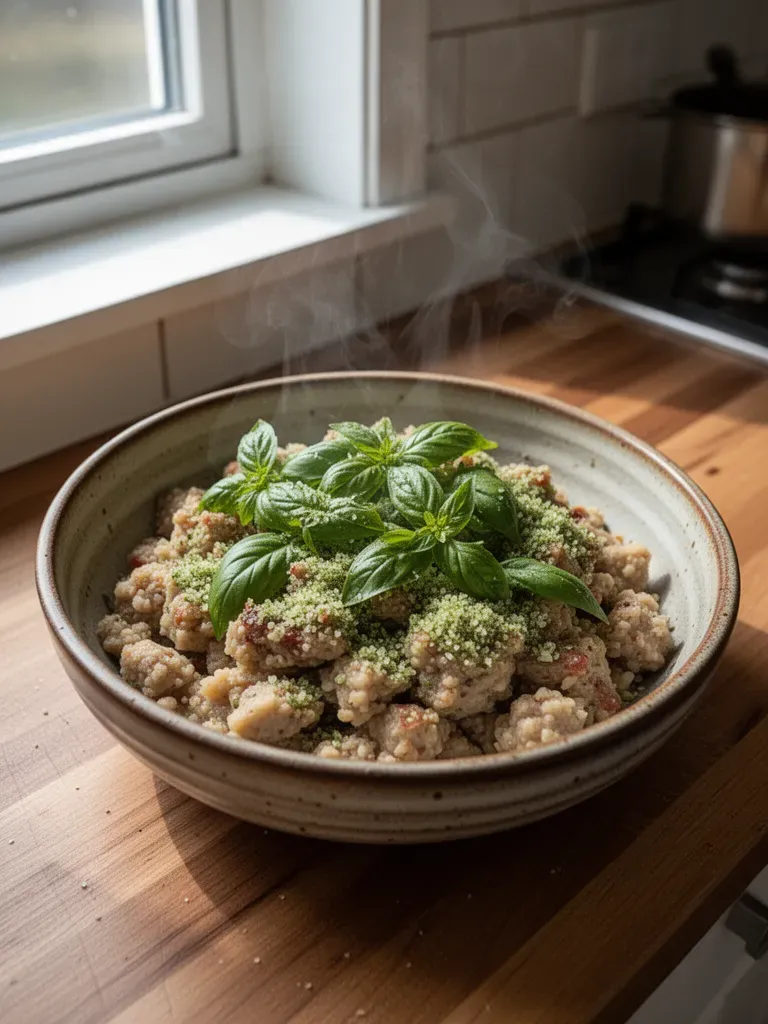
Using homemade basil salt is straightforward but requires a little finesse. When seasoning your dishes, remember that this blend can have a potent flavor. Start with a small amount and gradually add more to suit your taste.
Sprinkle it over finished dishes as a seasoning boost. You can also incorporate it into marinades, which lets the flavor seep into the ingredients, enhancing your overall cooking experience.
Tips/tricks
Experimentation is key when using basil salt. Try mixing it with other herbs or spices if you want to create signature blends. Adding a pinch of garlic powder or crushed red pepper can bring a new dimension to your homemade basil salt.
Do not limit yourself to traditional uses. This salt can also shine in unexpected dishes like popcorn or grilled meats. The versatility of basil salt invites creativity, allowing you to enhance any meal effortlessly.
Perfecting Homemade Basil Salt
Perfecting results
Perfecting homemade basil salt comes down to quality and balance. Ensure you use fresh, fragrant basil leaves for the best flavor. Storing your basil salt in an airtight container protects it from moisture and air, helping maintain its vibrant taste over time.
Observe the consistency of your mixture. It should be evenly blended, allowing basil to complement the salt effectively. If you’re finding it too salty, add more basil leaves next time to adjust the flavor profile.
Troubleshooting/variations
While making homemade basil salt is straightforward, a few common issues can arise. If your mixture clumps together, it may be too moist. Ensure your basil leaves are dry before incorporating them with the salt.
If you desire a more robust flavor, consider drying your basil leaves slightly before processing them. This small tweak can intensify the herb’s essence in your salt mixture.
Feel free to explore different varieties of basil too, such as Thai or lemon basil, to create unique flavor profiles for your salts.
Serving and Using Homemade Basil Salt
Serving/presentation
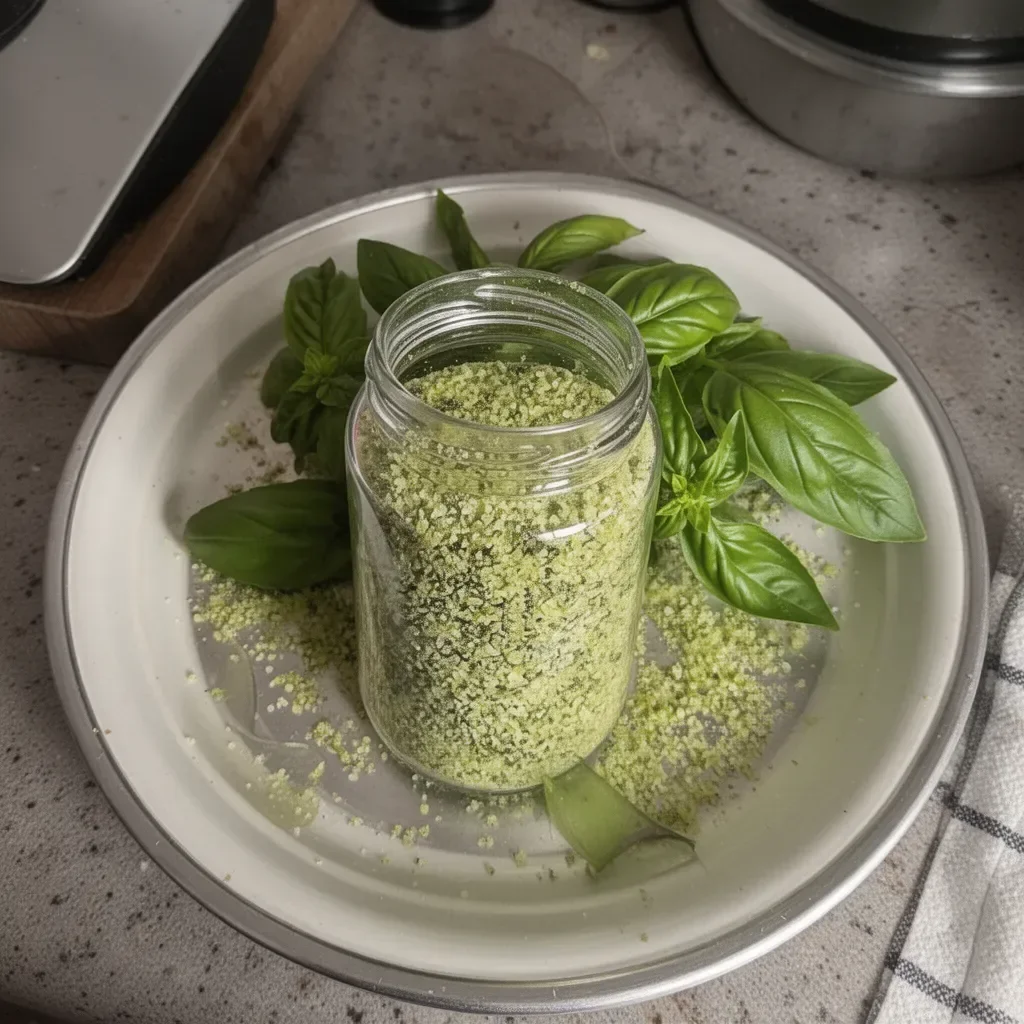
Present your homemade basil salt beautifully in an attractive container. A small glass jar can make a charming display on your kitchen counter, inviting curious guests to inquire about your culinary creations. Tying a sprig of fresh basil around the jar adds a nice touch.
When serving dishes seasoned with basil salt, be sure to sprinkle just before serving for maximum flavor impact. This finishing touch can impress your family and friends, highlighting your skills in the kitchen and your commitment to fresh ingredients.
Pairings/storage
Homemade basil salt pairs wonderfully with a variety of dishes. Use it to season grilled vegetables, sprinkle over pizzas or fold into salad dressings. Imagine the vibrancy it brings to a simple tomato salad or the depth it adds to roasting chicken or fish.
Store your basil salt in an airtight container, away from direct sunlight. It should maintain its flavor for several months. Keep it handy when cooking or as a special seasoning for your meals.
As your collection of homemade basil salt grows, feel free to share it as thoughtful gifts for friends and family who appreciate a bit of flavor in their kitchens.
Conclusion
Creating homemade basil salt opens a world of culinary possibilities, transforming simple dishes into flavor-packed meals. With just two ingredients, you can experience the joy of enriching your cooking with vibrant flavors. The process becomes not just a recipe but a cherished tradition, reminiscent of warm summer days spent harvesting fresh herbs.
Enjoy the countless culinary adventures that homemade basil salt brings into your kitchen!
Print
Homemade Basil Salt
- Total Time: 15 minutes
- Yield: 1 cup 1x
- Diet: Vegan
Description
A delightful way to infuse your culinary creations with the vibrant flavors of fresh basil and sea salt.
Ingredients
- 1 cup fresh basil leaves
- 1 cup sea salt
Instructions
- Rinse the basil leaves and dry them thoroughly.
- In a food processor, combine the fresh basil leaves and sea salt.
- Process until the basil is finely chopped and well mixed with the salt.
- Transfer the mixture to an airtight container and store in a cool, dry place.
Notes
Use homemade basil salt to season pastas, vegetables, soups, and more. Start with a small amount and adjust according to taste.
- Prep Time: 15 minutes
- Cook Time: 0 minutes
- Category: Condiment
- Method: Blending
- Cuisine: Italian
Nutrition
- Serving Size: 1 tablespoon
- Calories: 5
- Sugar: 0g
- Sodium: 345mg
- Fat: 0g
- Saturated Fat: 0g
- Unsaturated Fat: 0g
- Trans Fat: 0g
- Carbohydrates: 1g
- Fiber: 0g
- Protein: 0g
- Cholesterol: 0mg
Keywords: basil salt, homemade seasoning, herbal seasoning, cooking tips, flavor enhancement