📑 Table of Contents ▶
- Dashimaki Tamago Basics
- Fundamentals
- Preparation/Setup
- Directions
- Mastering the Technique of Dashimaki Tamago
- Technique
- Tips/Tricks
- Perfecting Your Dashimaki Tamago
- Perfecting Results
- Troubleshooting/Variations
- Serving and Storing Dashimaki Tamago
- Serving/Presentation
- Pairings/Storage
- Related posts:
- Oatmeal Apple Carrot Cake: The Best Recipe to Try Today!
- Soft Hot Cross Buns: How to Make the Best Fluffy Treats
- Lemon Sugar Cookies: How to Bake the Best Lemon Sugar Cookies Ever
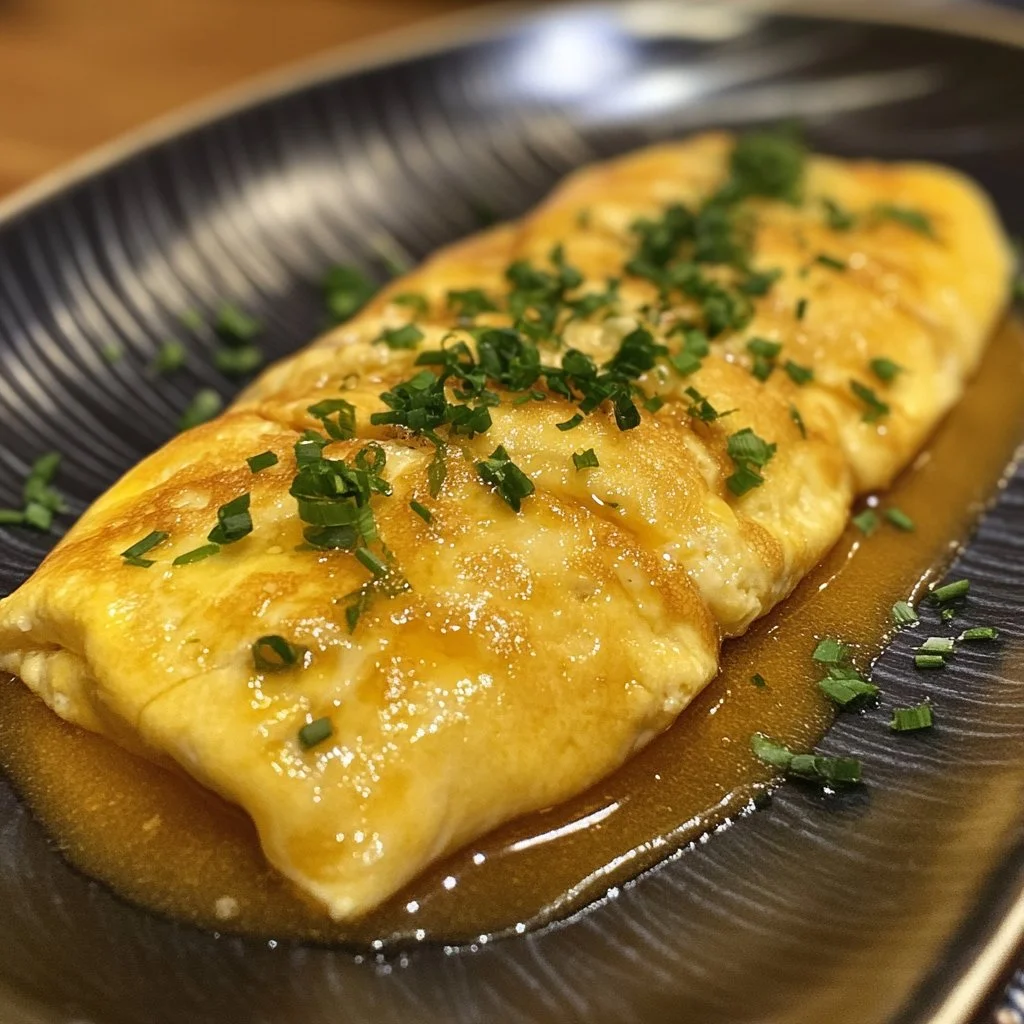
Dashimaki Tamago (Japanese Rolled Omelette with Dashi)
Creating a dish like dashimaki tamago transports you to a cozy kitchen filled with the delightful aroma of Japanese cuisine. The first time I tried making this rolled omelette, I felt both excitement and a touch of apprehension. Would the layers roll up perfectly? Would the flavor of the dashi stock come through? Each step held the promise of something wonderful.
Dashimaki tamago is not just a dish; it’s a canvas for culinary creativity. Each ingredient plays a crucial role in achieving that perfect balance of sweet and savory. The eggs meld beautifully with the dashi, mirin, and soy sauce, offering a taste that is uniquely satisfying. This rolled omelette invites experimentation while honoring tradition, making it an enjoyable recipe for both beginners and seasoned cooks alike.
Gathering my ingredients felt like assembling the pieces of a delicious puzzle. As I cracked the eggs and mixed them with the dashi stock, I could almost envision this flavorful omelette coming to life. The process teaches patience and precision, and with each layer rolled, you can almost hear the whispers of chefs who have perfected this art before you.
Dashimaki Tamago Basics
Fundamentals
Dashimaki tamago, or Japanese rolled omelette, involves a simple yet specific technique. The ingredients may seem straightforward, but the magic lies in how they come together. The combination of eggs with dashi stock, mirin, sugar, and soy sauce creates a harmonious blend of flavors. Understanding each ingredient’s role helps you appreciate the final dish even more.
Eggs act as the base, providing rich flavor and texture, while the dashi stock infuses a savory depth. Mirin introduces a hint of sweetness, enhancing the overall taste, and sugar balances the flavors perfectly. The salt and soy sauce round out the dish, adding a savory punch that keeps each bite exciting.
Preparation/Setup
To prepare for making dashimaki tamago, equip yourself with a tamagoyaki pan, which is rectangular and helps achieve the signature shape of this dish. Ensure you have all your ingredients ready. Crack the eggs and beat them lightly without incorporating too much air—this prevents undesired bubbles during cooking.
Mix the dashi stock, mirin, sugar, salt, and soy sauce in a medium bowl until everything is dissolved. This mixture serves as the flavorful foundation of your omelette. When everything is set in place, you’ll feel more confident as you embark on the cooking journey.
Ingredients
- 4 eggs
- 3 tbsp dashi stock
- 4 tsp mirin
- 1 tsp sugar
- ¼ tsp salt
- ½ tsp Japanese soy sauce (koikuchi shoyu)
- 1 tsp cooking oil
- 1 tbsp grated daikon radish (daikon oroshi) (optional)
These ingredients come together to create a delightful experience. The use of dashi stock aligns perfectly with the Japanese ethos of umami, adding layers of flavor. Mirin sweetens the mix, creating that irresistible balance characteristic of traditional Japanese cuisine.
Directions
- Crack 4 eggs into a bowl and beat lightly with chopsticks in a back-and-forth motion to break the yolks and whites. Avoid whisking in a circular motion as this can form too many bubbles.
- In a separate medium-sized bowl, mix 3 tbsp dashi stock, 4 tsp mirin, 1 tsp sugar, ¼ tsp salt, and ½ tsp Japanese soy sauce (koikuchi shoyu). Mix thoroughly until the salt and sugar are dissolved.
- Place a sieve on top of the bowl and pour the eggs into the dashi mixture. Mix gently to prevent too many air bubbles from forming.
- Pour 1 tsp cooking oil into a tamagoyaki pan and place on the stove over medium heat. Use a piece of kitchen paper to spread the oil around the pan and wipe away the excess.
- Once the pan is heated, pour the egg mixture into the pan until the base is coated in a thin, even layer. It should be thin enough to cook quickly but not so thin it breaks. If you see air bubbles, pierce them with chopsticks. If some parts cook too quickly or the pan gets too hot, lift it off the heat briefly.
- When it’s half cooked, begin to roll the egg starting from the back of the pan towards you. Lightly pinch the far edge with one hand while gently scooping with the other to assist in flipping it over.
- Repeat the rolling process until you reach the edge of the pan closest to you. Use the kitchen paper to grease the empty space and push the rolled tamagoyaki back to the far end of the pan.
- Pour another layer of the egg mixture into the pan. Gently lift the rolled piece while tilting the pan to let the mixture go underneath, facilitating a seamless roll.
- Tilt the pan again to ensure the rest of the mixture is flat and even. Wait for it to become half cooked, pop air bubbles, and lift the pan off the heat when necessary.
- Continue rolling and repeating until all egg mixture is used.
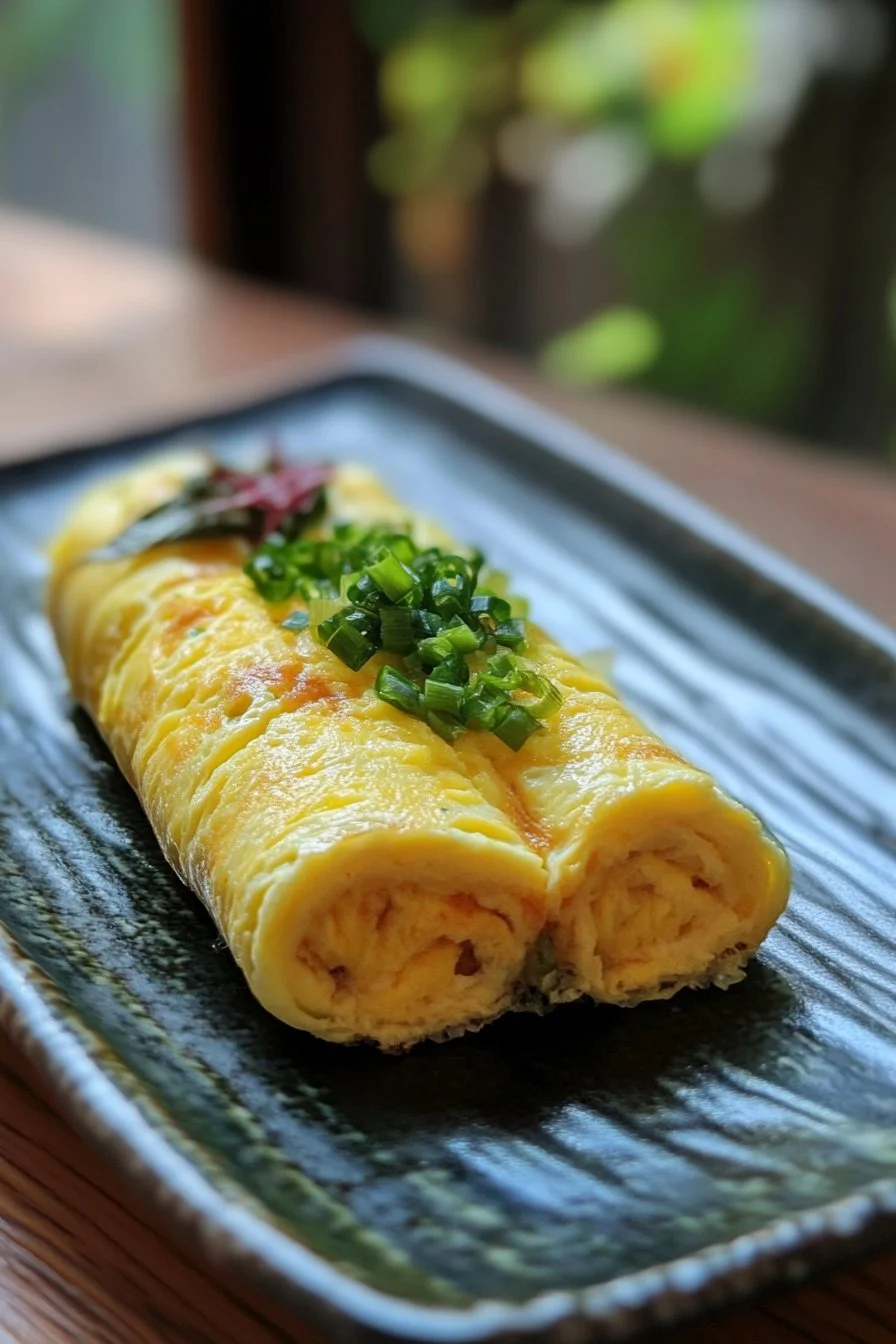
- Once done, transfer the dashimaki tamago to an inverted bamboo sushi mat to create a striped pattern. Press into shape and transfer to a cutting board.
- Cut into slices approximately 1 inch thick and serve with 1 tbsp grated daikon radish (daikon oroshi).
Mastering the Technique of Dashimaki Tamago
Technique
The technique of rolling dashimaki tamago remains central to achieving the perfect texture and flavor. Emphasis on layering allows for a fluffy and tender omelette. Each roll should maintain a thin thickness for quick cooking yet thick enough to retain structure.
Patience plays a role too—allowing each layer to cook just enough before rolling leads to the signature consistency that this dish is known for. Practice helps in mastering the rolling motion; gentle but firm movements help create that delicate shape.
Tips/Tricks
For the best results with dashimaki tamago:
- Use fresh eggs for optimal flavor and texture.
- Adjust cooking temperature as needed to avoid browning the egg too much.
- Keep a close eye on cooking time; the thinner the layer, the quicker it will cook.
- If the rolls seem fragile, don’t worry. It takes practice to perfect the technique.
Don’t hesitate to experiment gently; modifications in the seasoning can influence the overall profile of the dish.
Perfecting Your Dashimaki Tamago
Perfecting Results
To perfect your dashimaki tamago, repeatedly practice the rolling technique until you find your rhythm. Ensure uniform cooking by paying attention to the pan’s heat. As you become more comfortable, experimenting with variations can enhance your creative process.
Focusing on the right egg-to-dashi ratio can alter texture and flavor balance. Adjusting mirin and soy sauce levels can offer a sweeter or saltier note, adapting based on your personal preference.
Troubleshooting/Variations
If your dashimaki tamago doesn’t come out as expected, assess the cooking process. If eggs break apart, the mixture may be too thin. Conversely, if they turn out too rubbery, the cooking time may have been too long or the heat too high.
For variations, consider adding finely chopped vegetables to the egg mixture for extra flavor and color. Things like spinach, carrots, or scallions can create delightful infusions of taste while maintaining the classic rolled look.
Serving and Storing Dashimaki Tamago
Serving/Presentation
Presenting dashimaki tamago can elevate the dining experience. Serve slices on a wooden board or a simple plate. A sprinkle of green onions or sesame seeds enhances the visual appeal. Consider serving it with dipping sauces, like soy sauce or a splash of ponzu, to complement the flavor further.
Pairings/Storage
Dashimaki tamago pairs well with rice, miso soup, or various side dishes. Its versatility makes it suitable for breakfast, lunch, or dinner. Refrigerate leftovers in an airtight container for up to three days. When reheating, do so gently to maintain texture.
Dashimaki tamago stands out as a dish that embodies the essence of Japanese cuisine—balance, simplicity, and technique make it a favorite among food lovers.
Dashimaki tamago captures the heart of home cooking in Japan. With each bite, you savor the layers of flavor crafted with care and love.
Print
Dashimaki Tamago (Japanese Rolled Omelette with Dashi)
- Total Time: 35 minutes
- Yield: 4 servings 1x
- Diet: Vegetarian
Description
A delightful rolled omelette infused with dashi, mirin, and soy sauce, offering a balance of sweet and savory flavors.
Ingredients
- 4 eggs
- 3 tbsp dashi stock
- 4 tsp mirin
- 1 tsp sugar
- ¼ tsp salt
- ½ tsp Japanese soy sauce (koikuchi shoyu)
- 1 tsp cooking oil
- 1 tbsp grated daikon radish (daikon oroshi) (optional)
Instructions
- Crack 4 eggs into a bowl and beat lightly with chopsticks, avoiding too many bubbles.
- In a separate bowl, mix 3 tbsp dashi stock, 4 tsp mirin, 1 tsp sugar, ¼ tsp salt, and ½ tsp soy sauce until dissolved.
- Pour the egg mixture into the dashi mixture through a sieve and mix gently.
- Heat 1 tsp oil in a tamagoyaki pan and coat the pan evenly.
- Pour a thin layer of egg mixture into the pan and cook until half set.
- Start rolling the omelette from the back of the pan towards you, pinching and scooping to flip it over.
- Push the rolled omelette to the far end of the pan and add another layer of egg mixture.
- Repeat the rolling process until all egg mixture is used.
- Transfer the rolled omelette to a bamboo sushi mat, shape it, and cut into 1-inch thick slices.
- Serve with grated daikon radish if desired.
Notes
Use fresh eggs and adjust cooking temperature as needed. Experiment gently with seasonings.
- Prep Time: 15 minutes
- Cook Time: 20 minutes
- Category: Breakfast
- Method: Pan Frying
- Cuisine: Japanese
Nutrition
- Serving Size: 1 slice
- Calories: 250
- Sugar: 6g
- Sodium: 350mg
- Fat: 15g
- Saturated Fat: 4g
- Unsaturated Fat: 7g
- Trans Fat: 0g
- Carbohydrates: 5g
- Fiber: 0g
- Protein: 10g
- Cholesterol: 285mg
Keywords: Dashimaki Tamago, Japanese Omelette, Rolled Omelette, Dashi, Breakfast
