📑 Table of Contents ▶
- Understanding the German Cake
- Fundamentals
- Preparation/setup
- Directions
- Mastering Your Technique
- Technique
- Tips/tricks
- Perfecting Your Results
- Troubleshooting/variations
- Serving and Storing
- Serving/presentation
- Pairings/storage
- Related posts:
- Salted Caramel Pumpkin Poke Cake: Heavenly Indulgence in Every Bite
- Bloody Red Velvet Cupcakes: Decadent Delights for the Bold Baker
- Irresistible Lemon Cake
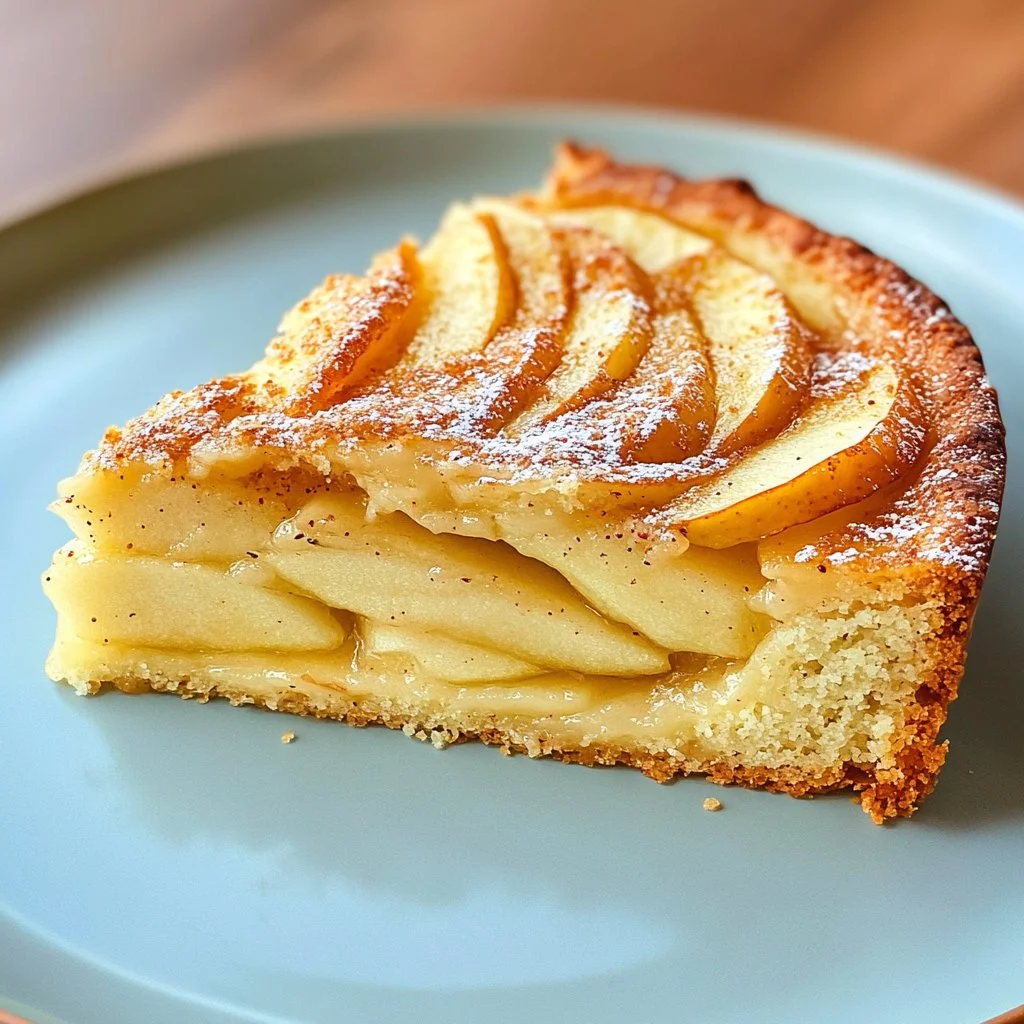
German Cake that Melts in Your Mouth
Baking has always held a special place in my heart. The warmth of the oven, the sweet smell wafting through the air, and the anticipation as something delicious transforms before your eyes—it’s magic. A favorite dessert that never fails to impress is the German cake that melts in your mouth.
In my home, we fondly call this cake "comfort on a plate." Each bite brings a delightful, buttery flavor that lingers long after the last crumb has disappeared. It serves as a canvas for creativity, yet its simplicity makes it approachable. Gathering around the kitchen table while enjoying this cake creates lasting memories and provides a great excuse to reconnect with loved ones.
When I set out to make this cake, I think of the essential ingredients. With just 200 g of flour, 100 g of cold butter, and 50 g of sugar, you create something truly unforgettable. The cold butter, in particular, plays a crucial role in achieving the light and crumbly texture. Let’s explore how to make this cake and enjoy the process together.
Understanding the German Cake
Fundamentals
The German cake that melts in your mouth has a reputation for being light, flaky, and utterly delicious. To achieve this delightful texture, understanding the interactions between the ingredients is critical. At the heart of this cake lies the balance of flour, butter, and sugar.
Flour serves as the foundation, providing structure. The type of flour you choose can also affect the outcome. A cake flour or all-purpose flour generally works best for this recipe. The butter needs to be cold, as it creates flakiness through the layers formed when baking. Lastly, sugar adds sweetness and helps achieve that lovely golden-brown color during baking.
Preparation/setup
Before diving into the mixing bowl, preparation is key. Gathering all your ingredients beforehand streamlines the process. Measure out 200 g of flour, 100 g of cold butter, and 50 g of sugar. Take a moment to familiarize yourself with the tools you will need, such as a large mixing bowl, a rolling pin, and a tart mold.
Tampering the flour is a must for lightness. Sifting aerates the flour, eliminating any lumps while adding air. This extra step transforms the cake and prevents it from becoming dense.
Ingredients
For this German cake, the ingredient list is delightfully short. You will need:
- 200 g of flour
- 100 g of cold butter
- 50 g of sugar
The quality of these ingredients enhances the finished product. Choose unsalted butter for control over seasoning and fine granulated sugar to ensure even sweetness.
Directions
- Begin by sifting the flour into a large bowl, folding in the sugar to combine.
- Cut the cold butter into small cubes. Quickly integrate the butter into the flour mixture using your fingertips until it resembles coarse crumbs.
- To avoid overmixing, gently form the dough into a ball. Wrap in plastic and refrigerate for at least 30 minutes.
- After chilling, flour your working surface and roll out the dough to approximately a 5 mm thickness.
- Carefully transfer the rolled-out dough to a tart mold, gently pressing it into the corners. Prick the base with a fork to prevent bubbling during baking.
- Preheat your oven to 180°C. Bake for 20-25 minutes until golden brown and fragrant.
- Allow the cake to cool in the mold before carefully removing it to prevent breaking.

Mastering Your Technique
Technique
Perfecting your technique is essential for achieving the ultimate German cake. The mixing method directly influences the texture. When integrating the butter, the key is to work quickly to retain the coldness. Aim for that sandy texture that indicates the butter and flour have properly combined.
Invest in a good quality rolling pin for an even thickness, which is crucial for uniform baking. This cake requires a gentle touch—overworking the dough can lead to toughness, so keep your mixing to a minimum.
Tips/tricks
Here are some extra tips to elevate your German cake. First, consider adding a pinch of salt to enhance flavor. While the original recipe is simple, adding vanilla extract or almond extract can introduce a lovely depth.
Ensure your oven is properly preheated before placing the cake inside. An accurate temperature setting has a significant impact on how the cake bakes and rises.
Perfecting Your Results
Troubleshooting/variations
Some issues may arise while baking. If your cake appears too dense, it could stem from overmixing; next time, try to handle the dough less. If it doesn’t rise as expected, check that your oven temperature is accurate.
Variations can make this cake even more exciting! Consider adding fresh fruits or nuts atop or mixing cocoa powder into the flour for a delightful twist. Adjusting the sugar could create a less sweet version to pair with a whipped cream topping.
Serving and Storing
Serving/presentation
To serve the German cake is simply delightful! Place it on a decorative plate and cut it into slices. A dusting of powdered sugar can give it a beautiful finishing touch. Pair it with a scoop of fresh whipped cream or a dollop of fruit preserves for added indulgence.
Pairings/storage
This cake pairs wonderfully with a variety of beverages like coffee or tea, making it perfect for afternoon treats. To store, keep it in an airtight container at room temperature for up to three days. Alternatively, refrigerate it for extended freshness.
Make sure to let it cool completely before covering to avoid moisture buildup. This cake is simply irresistible, ensuring that each bite melts in your mouth, creating a memorable experience.
In crafting this German cake, remember that every step is about embracing the process. Each ingredient serves its purpose, working together towards a delicious outcome. With just a few components, you can create something magical that warms hearts and homes alike.
Print
German Cake that Melts in Your Mouth
- Total Time: 40 minutes
- Yield: 8 servings 1x
- Diet: Vegetarian
Description
A delightful German cake known for its light, flaky, and buttery flavor, perfect for reconnecting with loved ones.
Ingredients
- 200 g of flour
- 100 g of cold butter
- 50 g of sugar
Instructions
- Sift the flour into a large bowl and fold in the sugar to combine.
- Cut the cold butter into small cubes and integrate it into the flour mixture until it resembles coarse crumbs.
- Gently form the dough into a ball, wrap in plastic, and refrigerate for at least 30 minutes.
- Flour your working surface and roll out the dough to approximately 5 mm thickness.
- Transfer the rolled-out dough to a tart mold, pressing it into the corners, and prick the base with a fork.
- Preheat your oven to 180°C and bake for 20-25 minutes until golden brown.
- Allow the cake to cool in the mold before carefully removing it.
Notes
Consider adding a pinch of salt or extracts like vanilla or almond for added flavor.
- Prep Time: 15 minutes
- Cook Time: 25 minutes
- Category: Dessert
- Method: Baking
- Cuisine: German
Nutrition
- Serving Size: 1 slice
- Calories: 250
- Sugar: 5g
- Sodium: 50mg
- Fat: 14g
- Saturated Fat: 8g
- Unsaturated Fat: 4g
- Trans Fat: 0g
- Carbohydrates: 30g
- Fiber: 1g
- Protein: 3g
- Cholesterol: 30mg
Keywords: German cake, dessert, baking, buttery, easy recipe
