📑 Table of Contents ▶
- The Art of Wontons
- Fundamentals
- Preparation/setup
- Directions
- Elevating Your Wontons
- Technique
- Tips/tricks
- Perfecting the Wonton Experience
- Perfecting results
- Troubleshooting/variations
- Serving Your Wontons
- Serving/presentation
- Pairings/storage
- Related posts:
- Creamy Potato Sausage Chowder
- Thai Basil Beef Rolls
- French Onion Short Rib Soup with gruyere toast: Best Recipe Ever
Homemade Tofu and Chive Wontons
Cooking provides a beautiful way to connect with cultures and traditions. One of my fondest memories is rolling out dough and filling wontons with vibrant flavors. Homemade Tofu and Chive Wontons bring that nostalgia to my kitchen. This dish combines comforting textures and bright flavors into every bite.
I remember the first time I made wontons from scratch. I followed a simple recipe that focused on quality ingredients over complicated techniques. With frozen tofu and fresh garlic chives, I discovered not only the joy of creating but also the satisfaction of sharing delightful meals with my loved ones. Each wonton I crafted filled the air with enticing aromas, prompting smiles and anticipation.
Homemade Tofu and Chive Wontons invite you to explore your culinary creativity right at home. Working with wonton wrappers can be an enjoyable hands-on experience, making this dish perfect for anyone eager to spend some quality time in the kitchen. By using simple yet flavorful ingredients, you’ll find that these wontons pack a punch. Whether served as an appetizer or a main dish, they always impress.
Join me as we dive into the world of wontons, sharing tips and techniques to create the most delicious Homemade Tofu and Chive Wontons you can imagine. Let’s savor the art of cooking together.
The Art of Wontons
Fundamentals
Understanding the essence of wontons sets the foundation for amazing results. Wontons, originating from Chinese cuisine, are versatile dumplings that can be filled with various ingredients. The simplicity of this dish lies in its fresh components, and you can enjoy them boiled, steamed, or fried.
Using frozen tofu allows for an unusual yet delightful texture. Crumbling it creates a creamy base that pairs wonderfully with the crispness of garlic chives. When seasoned with a pinch of salt and a hint of pepper, this mixture transforms into a mouthwatering filling. This harmonious blend is what sets the stage for a remarkable wonton experience.
The key to perfecting Homemade Tofu and Chive Wontons lies in mastering the wrapping technique. With some practice, you’ll develop the skill to create perfectly sealed dumplings that hold the filling snugly inside. Thin wonton wrappers complement the filling, allowing it to shine rather than overpower.
Preparation/setup
Before diving into the cooking process, let’s set up your kitchen. Start by gathering all the necessary ingredients in one spot. Having a clean and organized workspace sets you up for success. Ensure your frozen tofu has had adequate time to thaw, as crumbling ice-cold tofu can be quite tricky.
The wrapping process requires patience and focus. Place a small bowl of water nearby; it serves as an adhesive for sealing the edges. Measure a teaspoon of the tofu and chive mixture to maintain consistency while filling each wonton. Maintaining balance prevents either overfilling or underfilling, both of which might lead to unsatisfactory results.
When you are ready to boil water, remember to keep it at a rolling boil throughout the cooking process. This ensures your wontons cook evenly and float to the surface, signaling they are ready to enjoy. Always keep an eye on them as they cook, ensuring they don’t remain in the water for too long.
Ingredients
- Wonton wrappers
- Frozen tofu
- Garlic chives
- Aromatic chili broth
- Salt
- Pepper
Directions
- In a bowl, crumble the frozen tofu and mix it with chopped garlic chives. Season with salt and pepper.
- Take a wonton wrapper, place a teaspoon of the tofu and chive mixture in the center, and seal the edges with water.
- Boil the wontons in water until they float, about 5 minutes. Alternatively, you can steam or deep fry them.
- Serve the wontons with hot aromatic chili broth.
Elevating Your Wontons
Technique
Crafting perfect wontons hinges on not just filling them well but also understanding the technique behind wrapping. When you place the mixture on the wonton wrapper, ensure enough space is left around the edges to make a secure seal. Dabbing your finger in water and gently pressing down the edges makes a huge difference. You should focus on eliminating air pockets to avoid them opening during cooking.
Different folds can create diverse shapes—try the classic triangle or the more intricate pleated format. While the usual folding style might seem daunting at first, with practice, you will find your rhythm.
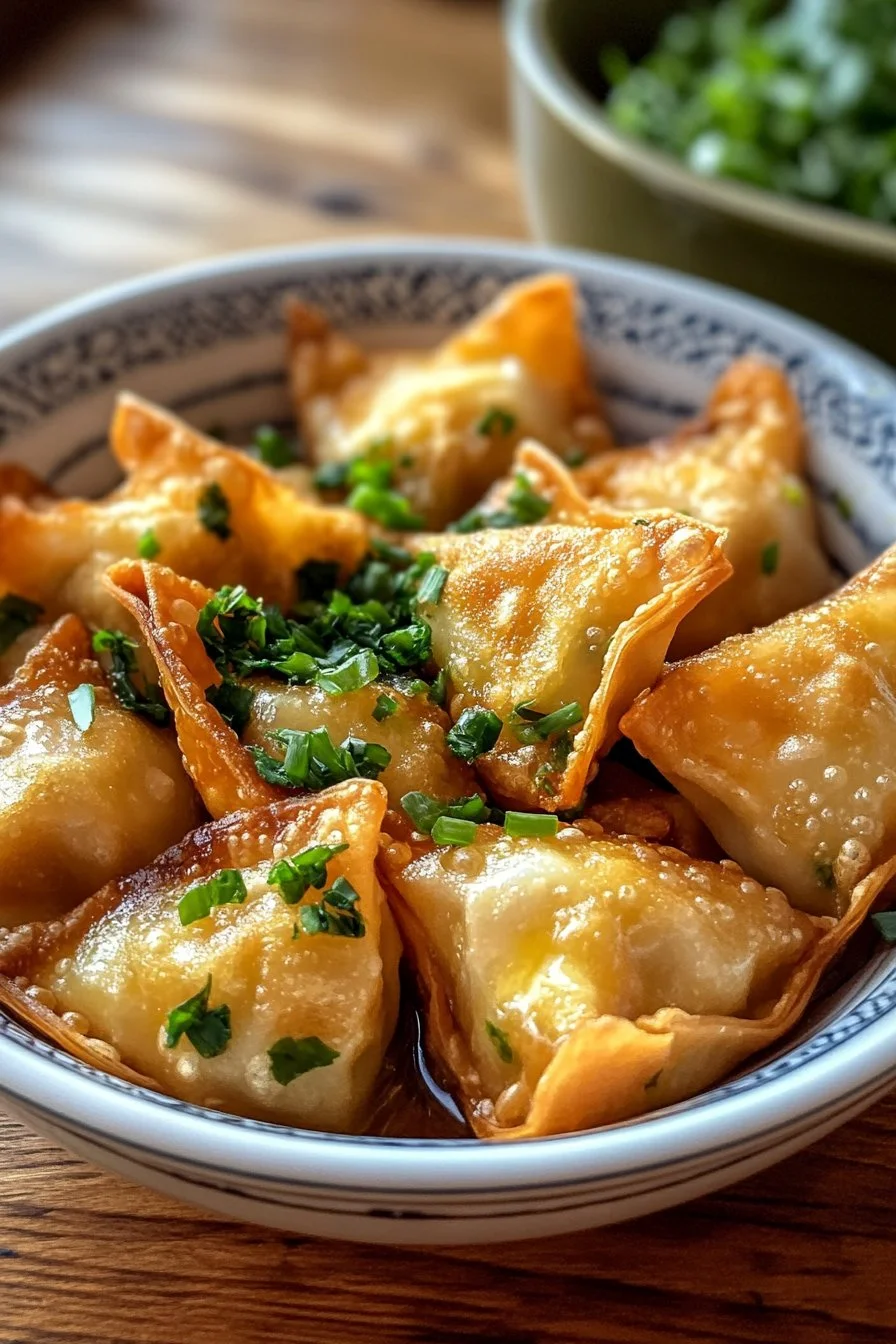
Another essential technique is the cooking method chosen for your wontons. Steaming provides a healthier option, preserving the delicate taste of the filling. On the other hand, deep frying adds a satisfying crispiness, creating contrast with the soft tofu and chive center.
Tips/tricks
To enhance your cooking adventure, remember these helpful tips. Keep your fillings well-seasoned; don’t shy away from tasting the mixture before sealing. You can easily adjust flavors at this stage. If you have leftover filling, consider making a small pancake or sautéing it for a quick snack.
Batch cooking proves beneficial as well. Making more wontons than you need means you have ready-to-eat meals for busy days. Freeze any extras on a baking sheet before transferring them to a sealable bag for easy storage. When you’re ready to enjoy them, follow the same cooking steps without thawing.
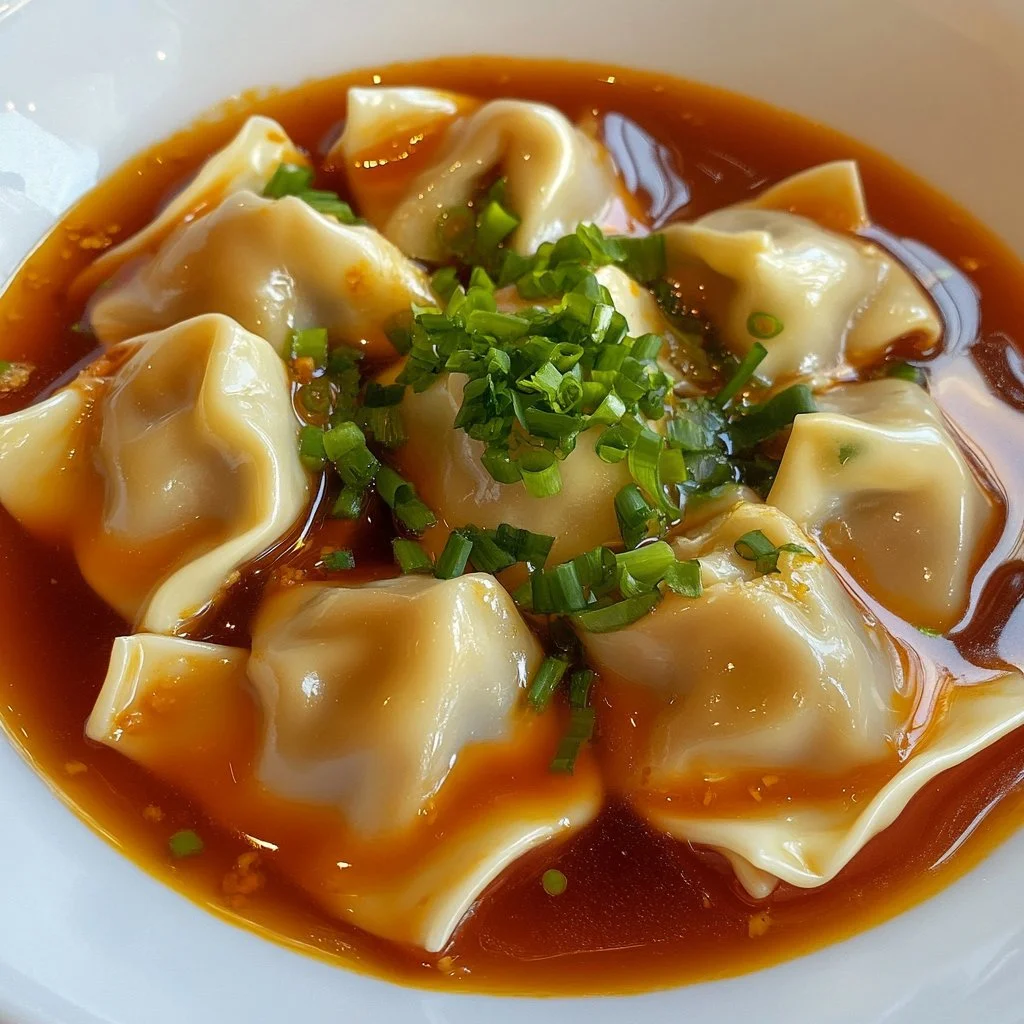
Lastly, always consider presentation. Serve your wontons in a stylish bowl filled with aromatic chili broth, garnished with extra garlic chives. This adds a visual appeal that will impress family and friends alike.
Perfecting the Wonton Experience
Perfecting results
To achieve the best results with your Homemade Tofu and Chive Wontons, practice consistency. Aim for similar sizes when filling. This ensures even cooking and presents a more cohesive dish. Fine-tuning the seasoning enhances the overall flavor. Depending on your taste, you may increase the amount of garlic chives or adjust the salt and pepper.
Keep a close watch on your boiling process. Once wontons float, they typically require just a minute more to ensure the filling heats through. Under-cooked filling doesn’t offer the delightful experience you aim for, but overcooking can lead to mushiness.
Troubleshooting/variations
Should you encounter issues, such as torn wrappers or leaking filling, small adjustments can help. Use a more manageable amount of filling, and ensure the edges are well moistened before sealing. If you accidentally rip a wrapper, fear not—repair it with a small piece of dough or simply create a new wonton with a whole wrapper.
Feel free to explore variations based on what you have on hand. Adding ingredients like fresh herbs, diced vegetables, or even different spices creates exciting new versions of this classic dish. The possibilities are endless when you embrace creativity in your kitchen.
Serving Your Wontons
Serving/presentation
Presentation plays a vital role in enjoying your Homemade Tofu and Chive Wontons. Serve them in a shallow bowl, proudly floating in aromatic chili broth. Garnish with a sprinkle of garlic chives or sliced green onions for a vibrant finish. The visual arrangement captivates your guests, enticing them even before their first bite.
Consider pairing your wontons with a refreshing side salad. The crisp vegetables can balance the dish’s richness and add texture to each bite. Creating a full meal around your wontons showcases your culinary efforts beautifully.
Pairings/storage
Serve your tasty Homemade Tofu and Chive Wontons with a side of dipping sauce to enhance the experience. Options like soy sauce or spicy chili paste elevate flavor profiles and personalize each serving. Always aim for balance in flavors, allowing your wontons to shine.
If you have any leftovers, store them in an airtight container in the fridge for up to three days. For longer-lasting preservation, freeze any extras, ensuring they do not touch each other to prevent sticking. Reheat them using your preferred method, ensuring they achieve that fresh-off-the-stove taste.
Crafting Homemade Tofu and Chive Wontons provides an enriching and delightful experience that celebrates the art of cooking. Through practice, creativity, and sharing with loved ones, you create memories that linger long after the plates are cleared. Embrace the joy of being in the kitchen and savor the comfort of homemade tastes.
Print
Homemade Tofu and Chive Wontons
- Total Time: 35 minutes
- Yield: 4 servings
- Diet: Vegan
Description
Delightful and comforting Homemade Tofu and Chive Wontons filled with crumbled tofu and fresh garlic chives, perfect as an appetizer or main dish.
Ingredients
- Wonton wrappers
- Frozen tofu
- Garlic chives
- Aromatic chili broth
- Salt
- Pepper
Instructions
- Crumble the frozen tofu and mix it with chopped garlic chives. Season with salt and pepper.
- Take a wonton wrapper, place a teaspoon of the tofu and chive mixture in the center, and seal the edges with water.
- Boil the wontons in water until they float, about 5 minutes. Alternatively, steam or deep fry them.
- Serve the wontons with hot aromatic chili broth.
Notes
For best results, ensure wontons are sealed securely and avoid overcooking them to prevent mushiness. Consider freezing any extras for future meals.
- Prep Time: 30 minutes
- Cook Time: 5 minutes
- Category: Appetizer
- Method: Boiling
- Cuisine: Chinese
Nutrition
- Serving Size: 3 wontons
- Calories: 250
- Sugar: 2g
- Sodium: 350mg
- Fat: 10g
- Saturated Fat: 1g
- Unsaturated Fat: 8g
- Trans Fat: 0g
- Carbohydrates: 30g
- Fiber: 2g
- Protein: 12g
- Cholesterol: 0mg
Keywords: wontons, tofu, chive, homemade, vegan, dumplings
