📑 Table of Contents ▶
- Pasta with Peas: The Basics
- Fundamentals
- Preparation/Setup
- Directions
- Exploring Pasta with Peas: Techniques and Tricks
- Technique
- Tips and Tricks
- Perfecting Your Pasta with Peas
- Perfecting Results
- Troubleshooting and Variations
- Serving and Storing Pasta with Peas
- Serving and Presentation
- Pairings and Storage
- Related posts:
- Creamy Keto Chicken Cream Cheese Soup
- Garlic Roasted Potatoes: How to Make the Best Version
- Chicken Bacon Ranch Casserole
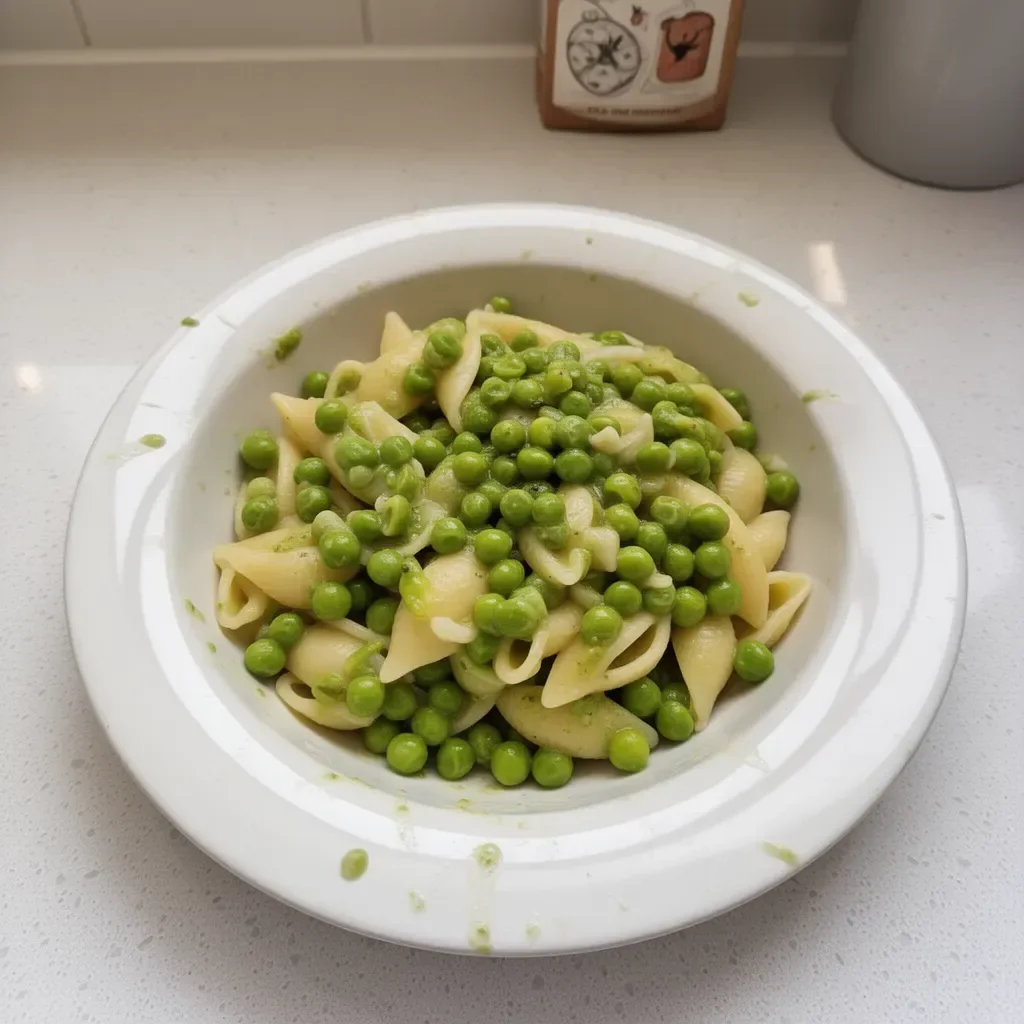
Pasta with Peas
Cooking with fresh ingredients brings a level of joy and satisfaction that few things can replicate. The magic of pasta with peas arises not just from its delicious taste but also from the stories it tells. One sunny afternoon, I found myself in the kitchen, inspired by a craving for comfort food. I had a bag of bright green peas and some short pasta. With just a few ingredients, I created a dish that brought back fond memories of family gatherings around the dinner table.
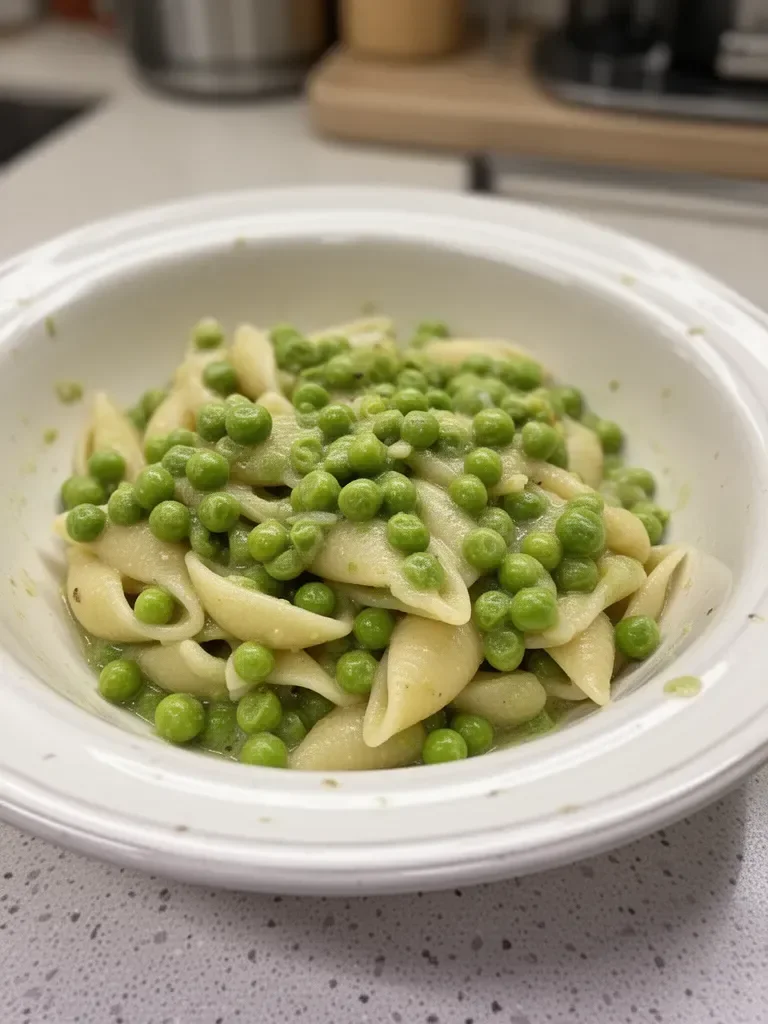
Every bite of pasta with peas captures the essence of simplicity and joy in cooking. The vibrant green peas blend perfectly with the creamy parmesan, creating a luscious sauce that clings to the pasta. It reminds me that even the most straightforward dishes can offer immense flavor packed with warmth and comfort. Whether you’re looking for a quick weeknight meal or a satisfying dish to share with loved ones, pasta with peas is an excellent choice.
As I tossed the pasta with olive oil and fresh ingredients, I realized that this dish is not just about sustenance; it’s about connection. Each bowl of pasta holds a story, a moment shared with family or friends. The steady simmer of the pot fills the kitchen with incredible aromas, creating an atmosphere perfect for connection. That’s the beauty of pasta with peas — it transforms an everyday meal into a cherished experience.
Pasta with Peas: The Basics
Fundamentals
Pasta with peas features a harmonious blend of flavors and aromas. This dish thrives on simplicity, making it accessible for cooks of all skill levels. The key components include short-shaped pasta, fresh or frozen peas, diced onion, vegetable broth, and freshly grated parmesan cheese. Each ingredient plays an essential role, adding a unique character to the overall flavor profile.
The choice of pasta is crucial. Shells, elbows, or ditaloni all create a delightful texture that holds the creamy sauce and peas. For optimal freshness, consider using seasonal peas. They enhance the dish with their vibrant green color and sweet flavor. Conversely, frozen peas provide convenience without sacrificing taste, ensuring you can enjoy the dish year-round regardless of the season.
Preparation/Setup
Before diving into cooking, gather all the ingredients and equipment. You’ll need a large pot, a stirring spoon, and a measuring cup. These tools streamline the cooking process, making it efficient and enjoyable. Rinse the fresh peas if using, and measure out the exact amounts to avoid last-minute scrambling.
Start by heating the olive oil over medium heat. Once hot, add the diced onion, stirring until it softens and turns translucent. This step is essential as it builds the foundation of flavor for your pasta. As the onion cooks, prepare the remaining ingredients, ensuring everything is ready to go when needed. This prep work sets you up for success, allowing you to focus on creating a delicious dish without distractions.
Ingredients
- 1 tablespoon of extra virgin olive oil, plus more for drizzling
- 1 small onion, diced
- 1 lb (450 grams) of fresh or frozen peas
- 2 cups (480 ml) of low-sodium vegetable broth or water, plus more if needed
- ½ lb (220 grams) of short-shaped pasta (shells, elbows, ditaloni…)
- ½ cup (50 grams) of grated parmesan cheese, plus more to serve
- Salt and pepper, to taste
Directions
Begin by heating the olive oil in a large pot over medium heat. Once the oil shimmers, add the diced onion. Cook for about five minutes or until the onion softens and becomes translucent.
Next, stir in the peas and pour in the vegetable broth. Raise the heat to bring the mixture to a boil. Once boiling, add the short pasta and salt—approximately one teaspoon works well. Adjust the seasoning later if needed.
Reduce the heat to a simmer and cover the pot with a lid. Let the pasta cook in the starchy water, stirring occasionally to prevent sticking. The cooking time will vary depending on the pasta type but usually takes around 8-10 minutes. If the liquid level drops too low, add a small amount of water gradually.
Once the pasta is firm to the bite and the water has nearly absorbed, turn off the heat. Stir in the grated parmesan cheese until it melts and blends smoothly with the pasta and peas. Taste your dish and adjust the seasoning to your preference.
Serve your pasta immediately, drizzling it with extra olive oil and sprinkle with black pepper. If desired, add more parmesan cheese for an even richer flavor.
Exploring Pasta with Peas: Techniques and Tricks
Technique
Mastering the technique for cooking pasta with peas ensures a delightful dish. The key is to balance the cooking time for the pasta and the peas. Cooking them together in a single pot allows the flavors to meld beautifully, producing a creamy sauce without extra fuss.
Don’t hesitate to experiment with different types of short pasta. Each variety provides its unique texture, creating varying experiences with every bite. Cooking times may differ, so check the packaging for the best results.
As you stir, keep an eye on the water level. It should barely cover the pasta throughout the cooking process. Should it become too low, gently add more liquid to maintain that delicious starchy base that makes the sauce so flavorful.
Tips and Tricks
A few essential tips can elevate your pasta with peas experience. First, consider using a mix of both fresh and frozen peas for enhanced flavor and texture. Fresh peas bring sweetness, while frozen peas offer convenience.
Ensure you taste as you cook. Adjusting the salt and pepper enhances the overall flavor profile, making it uniquely yours. When adding parmesan cheese, use fresh-grated for the best melting capability and a rich depth of flavor.
If preparing for a larger gathering, consider doubling the recipe. Pasta with peas is a crowd-pleaser, and leftovers are just as delicious, making this dish perfect for meal prep.
Perfecting Your Pasta with Peas
Perfecting Results
Achieving the perfect pasta with peas may take a little practice, but it’s straightforward once you understand the basics. The main goal is to cook the pasta until it reaches that ideal al dente texture. Don’t rush through the cooking time—allow the pasta to absorb the liquid and flavors fully.
For an extra flavor boost, try adding fresh herbs like basil or mint at the end of cooking. A sprinkle of fresh herbs adds color and freshness to the dish, making each serving pop.
Troubleshooting and Variations
Sometimes, the cooking process may not go as planned. If your pasta appears too dry, don’t hesitate to add more broth or water. The starchy liquid is key to creating that creamy sauce that makes pasta with peas so comforting.
If the flavor lacks depth, try adding a splash of lemon juice or zest to brighten it up. This little touch of acidity takes the dish to a new level, balancing the richness of the cheese.
Feel free to experiment with vegetables. Spinach, kale, or even diced zucchini can add nutritional value and flavor to your pasta with peas. The versatility of this dish makes it easy to tailor to your preferences.
Serving and Storing Pasta with Peas
Serving and Presentation
Presentation can elevate your dining experience. Serve the pasta with peas in individual bowls, allowing everyone to enjoy their masterpiece. Drizzling with a little extra olive oil not only adds flavor but also creates a glossy finish that looks appealing.
Adding freshly cracked black pepper over the top enhances the dish visually and adds a warm spice that tantalizes the taste buds. If you’re feeling indulgent, don’t shy away from an extra sprinkle of parmesan on top.
Pairings and Storage
Pasta with peas pairs beautifully with a simple side salad. A fresh garden salad or arugula with a light vinaigrette creates a balanced meal full of flavors. For those who enjoy a bit of crunch, toasted bread on the side complements the creamy sauce wonderfully.
When it comes to storage, leftover pasta may thicken as it sits. Store in an airtight container in the refrigerator for up to three days. To reheat, gently add a splash of water or broth to restore that creamy consistency before warming on the stovetop.
In summary, pasta with peas captures the essence of comfort food. Its simplicity, paired with vibrant flavors, makes it a dish anyone can master. Embrace the joy of cooking as you share this delightful meal with those who matter most. Enjoy the journey of transforming humble ingredients into something truly special.
Print
Pasta with Peas
- Total Time: 30 minutes
- Yield: 4 servings 1x
- Diet: Vegetarian
Description
A comforting dish of pasta with bright green peas and creamy parmesan, capturing the essence of simplicity and joy in cooking.
Ingredients
- 1 tablespoon of extra virgin olive oil, plus more for drizzling
- 1 small onion, diced
- 1 lb (450 grams) of fresh or frozen peas
- 2 cups (480 ml) of low-sodium vegetable broth or water, plus more if needed
- ½ lb (220 grams) of short-shaped pasta (shells, elbows, ditaloni)
- ½ cup (50 grams) of grated parmesan cheese, plus more to serve
- Salt and pepper, to taste
Instructions
- Begin by heating the olive oil in a large pot over medium heat. Once the oil shimmers, add the diced onion.
- Cook for about five minutes or until the onion softens and becomes translucent.
- Next, stir in the peas and pour in the vegetable broth.
- Raise the heat to bring the mixture to a boil.
- Once boiling, add the short pasta and salt—approximately one teaspoon works well.
- Reduce the heat to a simmer and cover the pot with a lid.
- Let the pasta cook in the starchy water, stirring occasionally to prevent sticking, usually takes around 8-10 minutes.
- Once the pasta is firm to the bite and the water has nearly absorbed, turn off the heat.
- Stir in the grated parmesan cheese until it melts and blends smoothly with the pasta and peas.
- Taste your dish and adjust the seasoning to your preference.
- Serve your pasta immediately, drizzling it with extra olive oil and sprinkling with black pepper.
Notes
For added flavor, consider using a mix of fresh and frozen peas. Adjust seasoning as desired, and feel free to add fresh herbs at the end.
- Prep Time: 10 minutes
- Cook Time: 20 minutes
- Category: Main Course
- Method: Cooking
- Cuisine: Italian
Nutrition
- Serving Size: 1 serving
- Calories: 400
- Sugar: 4g
- Sodium: 300mg
- Fat: 15g
- Saturated Fat: 4g
- Unsaturated Fat: 9g
- Trans Fat: 0g
- Carbohydrates: 55g
- Fiber: 7g
- Protein: 14g
- Cholesterol: 10mg
Keywords: pasta, peas, vegetarian, comfort food, easy recipe
