📑 Table of Contents ▶
- Fundamentals
- Preparation/setup
- Directions
- Cheese Steak Pasta Techniques
- Technique
- Tips/tricks
- Perfecting Philly Cheese Steak Pasta
- Perfecting results
- Troubleshooting/variations
- Serving and Storing Pasta
- Serving/presentation
- Pairings/storage
- Conclusion
- Related posts:
- Cozy Italian Sausage and Potato Soup
- Tuscan White Bean Soup
- Korean Ground Beef Bowl
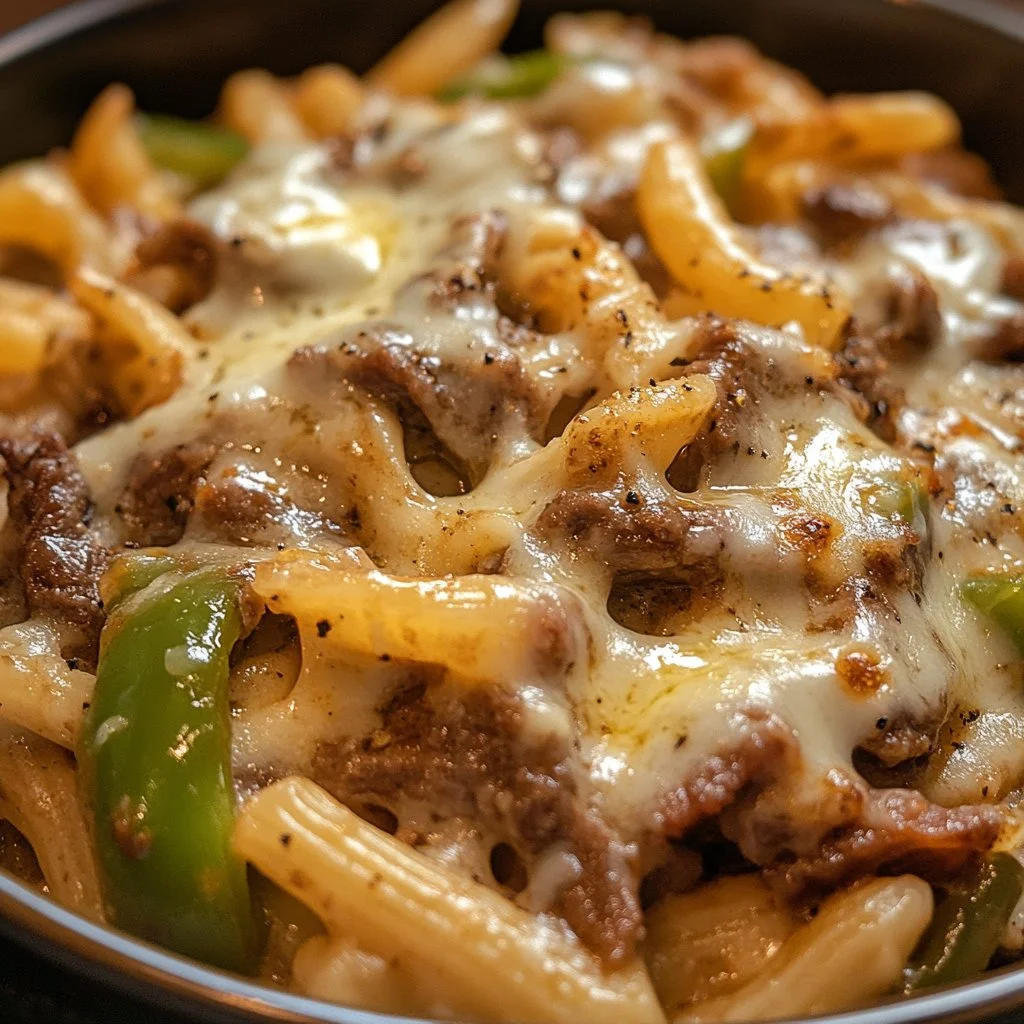
Philly Cheese Steak Pasta
Cooking often evokes memories, and nothing triggers those sentiments quite like a hearty dish of Philly Cheese Steak Pasta. Growing up, my family often gathered around the dining table, sharing not just meals but stories, laughter, and love. My introduction to Philadelphia’s culinary scene started long before I visited the city. It happened in my grandmother’s kitchen, where the savory aroma of sautéed beef and onions filled the air.
Philly Cheese Steak Pasta brings that nostalgia into a delightful fusion of comfort food. Imagine the rich, tender steak layered with creamy cheese, all nestled within a comforting embrace of pasta—it’s a dish that transcends generations. This recipe beautifully encapsulates the flavors of a classic cheesesteak, making it perfect for family dinnertime or casual gatherings with friends.
The best part? You don’t need to travel to Philadelphia to savor the iconic taste of this dish. With simple ingredients, you can recreate this beloved classic in your kitchen. Let’s explore the delectable journey of crafting Philly Cheese Steak Pasta, ensuring each bite is filled with reminiscence and flavor.
Philly Cheese Steak Pasta
Fundamentals
Philly Cheese Steak Pasta combines the essence of the classic sandwich with the ease of pasta preparation. The dish features tender steak, sautéed onions, and a creamy cheese sauce that coats each strand of pasta. By merging these elements, you create a delightful meal that embodies comfort. Any pasta works well, but I suggest using a sturdy type that can hold up to the sauce.
Preparation/setup
Begin by gathering all the necessary ingredients and equipment. You will need a large pot for the pasta and a skillet or frying pan for the meat and vegetables. Preparation plays a key role in ensuring a smooth cooking process. Chop the onions and bell peppers ahead of time. This allows you to focus on the cooking once the heat hits the pan, making the process more enjoyable.
Ingredients
- 12 oz. pasta (penne or rigatoni recommended)
- 1 lb. steak (sirloin or ribeye)
- 1 medium onion, sliced
- 1 bell pepper, sliced
- 2 cups beef broth
- 1 cup cream cheese
- 1 cup shredded provolone cheese
- 2 tablespoons olive oil
- Salt and pepper to taste
Directions
- Bring a large pot of salted water to a boil and cook the pasta according to package instructions until al dente. Drain and set aside.
- In a skillet, heat the olive oil over medium-high heat. Add sliced onions and bell peppers, cooking until they’re softened and caramelized, about 5-7 minutes.
- Season the steak with salt and pepper. Add to the skillet and cook until browned, about 3-4 minutes per side for medium-rare. Remove from the skillet and slice thinly.
- In the same skillet, pour in beef broth and bring to a simmer. Stir in cream cheese until melted and well combined.
- Add sliced steak to the skillet, stirring to coat with sauce. Then, fold in the cooked pasta and shredded provolone cheese until everything melds together beautifully.
Cheese Steak Pasta Techniques
Technique
The key to a successful Philly Cheese Steak Pasta lies in mastering the cooking techniques. Start with properly seasoning the steak; this enhances its natural flavor. Sear the steak on high heat to achieve that delicious caramelization, ensuring it remains tender inside.
Keep a close eye on the sautéed vegetables, allowing them to develop a golden hue without burning. This process brings out their natural sweetness, contributing to the dish’s overall flavor profile.
Tips/tricks
Use high-quality steak for the best results. The fat content and tenderness greatly affect the dish’s final taste. Allow the steak to rest after cooking to redistribute the juices for maximum flavor.
Feel free to experiment with different types of cheeses. While provolone adds classic richness, mixing in some mozzarella or cheddar can create unique takes on the dish.
Perfecting Philly Cheese Steak Pasta
Perfecting results
To achieve the perfect consistency in your sauce, consider the balance of creaminess. If you desire a thicker sauce, use less broth. For a creamier texture, add more cream cheese. Adjust to your preference, ensuring each serving remains deliciously saucy.
Pay attention to pasta timing. Undercook slightly; the pasta will continue cooking when added to the sauce, absorbing flavors along the way.
Troubleshooting/variations
If the sauce is too thin, mix an additional tablespoon of cream cheese and stir it in. For extra dimension, add garlic while sautéing the onions and peppers. If you want more color, consider incorporating diced tomatoes or even jalapeños for a hint of spice.
Feel free to substitute vegetables in the dish. Mushrooms or spinach can easily blend into the mix without compromising the flavor.
Serving and Storing Pasta
Serving/presentation
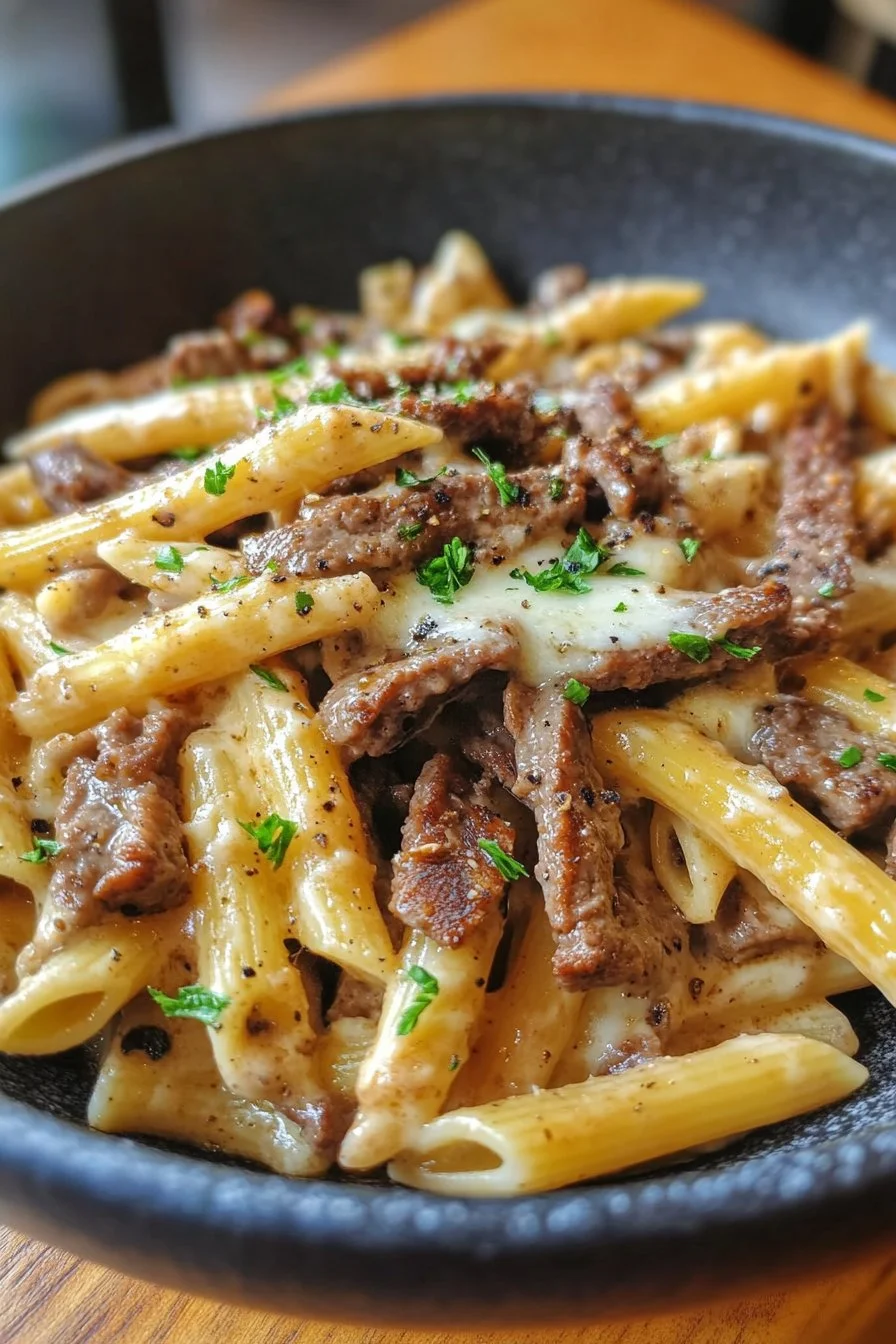
Once you’ve cooked your Philly Cheese Steak Pasta, presentation elevates the dish even further. Serve it hot, garnished with freshly chopped parsley or a sprinkle of extra cheese on top. Pair it with a fresh salad or garlic bread for a complete meal.
Pairings/storage
For sides, consider a hearty garden salad or baked vegetables to complement the meal. Store leftovers in an airtight container in the refrigerator for up to three days. When reheating, add a touch of milk or broth to restore creaminess.
If you want to freeze the pasta, place it in a freezer-safe container, ensuring it’s sealed tightly. It will stay fresh for up to three months.
Conclusion
Philly Cheese Steak Pasta brings a delightful twist to a classic favorite. The combination of flavors and textures creates a comforting yet modern dish sure to please everyone at the table. Each bite reminds us of the joy that food brings into our lives, making it perfect for gatherings or cozy family dinners. Embrace the experience of creating a meal that celebrates flavor and togetherness, and enjoy the warmth it brings.
Print
Philly Cheese Steak Pasta
- Total Time: 45 minutes
- Yield: 4 servings 1x
- Diet: None
Description
A comforting fusion of Philly cheese steak flavors with pasta, featuring tender steak, sautéed onions, and creamy cheese sauce.
Ingredients
- 12 oz. pasta (penne or rigatoni recommended)
- 1 lb. steak (sirloin or ribeye)
- 1 medium onion, sliced
- 1 bell pepper, sliced
- 2 cups beef broth
- 1 cup cream cheese
- 1 cup shredded provolone cheese
- 2 tablespoons olive oil
- Salt and pepper to taste
Instructions
- Bring a large pot of salted water to a boil and cook the pasta according to package instructions until al dente. Drain and set aside.
- In a skillet, heat the olive oil over medium-high heat. Add sliced onions and bell peppers, cooking until they’re softened and caramelized, about 5-7 minutes.
- Season the steak with salt and pepper. Add to the skillet and cook until browned, about 3-4 minutes per side for medium-rare. Remove from the skillet and slice thinly.
- In the same skillet, pour in beef broth and bring to a simmer. Stir in cream cheese until melted and well combined.
- Add sliced steak to the skillet, stirring to coat with sauce. Then, fold in the cooked pasta and shredded provolone cheese until everything melds together beautifully.
Notes
For a thicker sauce, use less broth; for a creamier texture, add more cream cheese. Consider adding garlic or tomatoes for extra flavor.
- Prep Time: 15 minutes
- Cook Time: 30 minutes
- Category: Main Course
- Method: Stovetop
- Cuisine: American
Nutrition
- Serving Size: 1 serving
- Calories: 450
- Sugar: 4g
- Sodium: 600mg
- Fat: 20g
- Saturated Fat: 10g
- Unsaturated Fat: 8g
- Trans Fat: 0g
- Carbohydrates: 45g
- Fiber: 2g
- Protein: 30g
- Cholesterol: 70mg
Keywords: Philly cheese steak, pasta, comfort food, family dinner, American cuisine
