📑 Table of Contents ▶
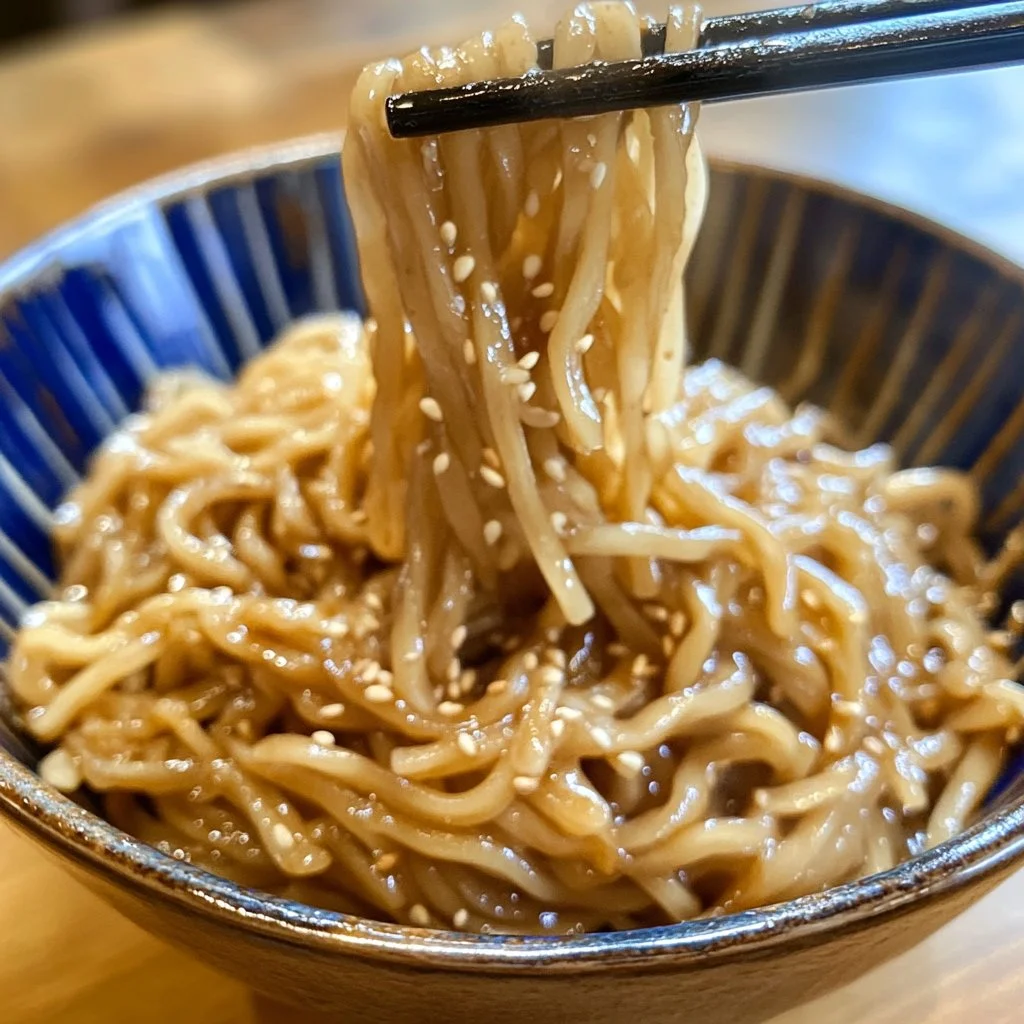
Soy Sauce Noodles
Cooking noodles has always been a favorite pastime and a source of endless joy in my kitchen. The delightful combination of textures and flavors in soy sauce noodles brings back memories of cozy family dinners where everyone gathered around the table. The aroma of sizzling garlic and green onions fills the air, creating an inviting atmosphere.
We often think of meals as complex endeavors requiring elaborate recipes, but sometimes simplicity reigns supreme. Soy sauce noodles represent that simplicity—a perfect amalgamation of just a few ingredients transforming into something exquisite. The beauty of cooking lies in its ability to bring comfort and satisfaction, especially with a dish that anyone can whip up in a flash.
As I dive into this recipe, I relish the memories it conjures—the laughter and conversations shared over plates of steaming noodles. Soy sauce noodles embrace that spirit of togetherness, making them a staple in many households. They remind us that even a straightforward dish can pack a flavor punch, nourishing both body and soul.
Part 1 — Soy Sauce Noodles Fundamentals
Fundamentals
Understanding the core elements of soy sauce noodles turns a simple dish into a culinary delight. The key ingredients—noodles, soy sauce, green onions, and garlic—come together to create a harmonious blend of flavors. The noodles act as a canvas, while soy sauce contributes umami and saltiness that elevate the overall taste. Green onions provide a fresh crunch, and the garlic adds aromatic depth.
Choosing the right noodle type can enhance this dish further. Whether using ramen, udon, or rice noodles, each variety offers distinct textures that influence the final result. The magic occurs during the frying process, where the noodles gain a delightful crispiness, transforming them from soft to slightly crunchy.
Preparation/setup
Begin by gathering all your ingredients. Ensure your workspace is organized so that cooking flows smoothly. Start by cooking the noodles according to the package instructions. Timing plays a crucial role—overcooked noodles can become mushy, hindering the dish’s overall appeal.
Once you cook and drain the noodles, set them aside to cool slightly. This step helps prevent clumping during frying. Prepare the garlic by mincing it finely, and chop the green onions. Having these prepared in advance makes the cooking process more efficient and enjoyable.
Ingredients
For the soy sauce noodles, you will need:
- Noodles (choose your preferred type)
- Soy sauce
- Green onions (sliced)
- Garlic (minced)
- Oil (for frying)
It’s essential to measure everything beforehand. Having your ingredients ready will streamline the cooking process, allowing you to focus on the delightful aromas and flavors that will soon fill your kitchen.
Directions
- Cook the noodles according to package instructions and drain.
- In a large skillet, heat oil over medium heat.
- Add minced garlic and chopped green onions, sautéing until fragrant.
- Add the cooked noodles and soy sauce, stirring well to coat.
- Fry for a few minutes until heated through and slightly crispy.
- Serve hot.
Part 2 — Soy Sauce Noodles Technique
Technique
Frying noodles might seem straightforward, but mastering the technique can significantly impact the final dish. The goal is to achieve the perfect balance of flavors while ensuring the noodles are cooked just right. Begin by controlling your heat—medium heat allows for proper cooking without burning the garlic, which can add bitterness if overcooked.
Stirring regularly prevents sticking, but allowing them to rest undisturbed for a moment leads to that coveted crispy texture. Watching the noodles carefully as they fry transforms not just the taste but the entire experience of preparing soy sauce noodles.
Tips/tricks
Achieving the best results requires a few helpful tricks. Use a non-stick skillet for easier handling, especially if you’re aiming for crispiness. If you prefer more crunch, you can increase frying time slightly—just keep an eye on the noodles to avoid burning.
Experimenting with the amount of soy sauce allows you to customize the flavor profile to your liking. Start with a modest amount and gradually add more if desired. Freshly chopped green onions added at the end can provide a burst of flavor, while some folks enjoy crushed chili flakes for added heat.
Part 3 — Mastering Soy Sauce Noodles
Perfecting results
Perfecting soy sauce noodles involves understanding when to intervene during cooking. If you notice the noodles beginning to stick together, toss them gently to ensure an even distribution of heat and flavor. The right cooking time also allows each ingredient to shine without overpowering the others.
Taste-testing along the way ensures you achieve that ideal blend of salty, savory, and aromatic notes that make this dish irresistible.
Troubleshooting/variations
Sometimes, things don’t always go according to plan. If your noodles turn out gummy, it can be due to excess starch. Rinsing them briefly before frying helps prevent this. Alternatively, undercooked noodles can lead to a less-than-ideal texture; simply adjust your timing to ensure they are just right.
Feel free to experiment with additional ingredients that complement the noodles without overshadowing their simplicity. For instance, adding in vegetables like bell peppers or broccoli can enhance the dish’s nutritional value while adding an extra crunch.
Part 4 — Soy Sauce Noodles Serving
Serving/presentation
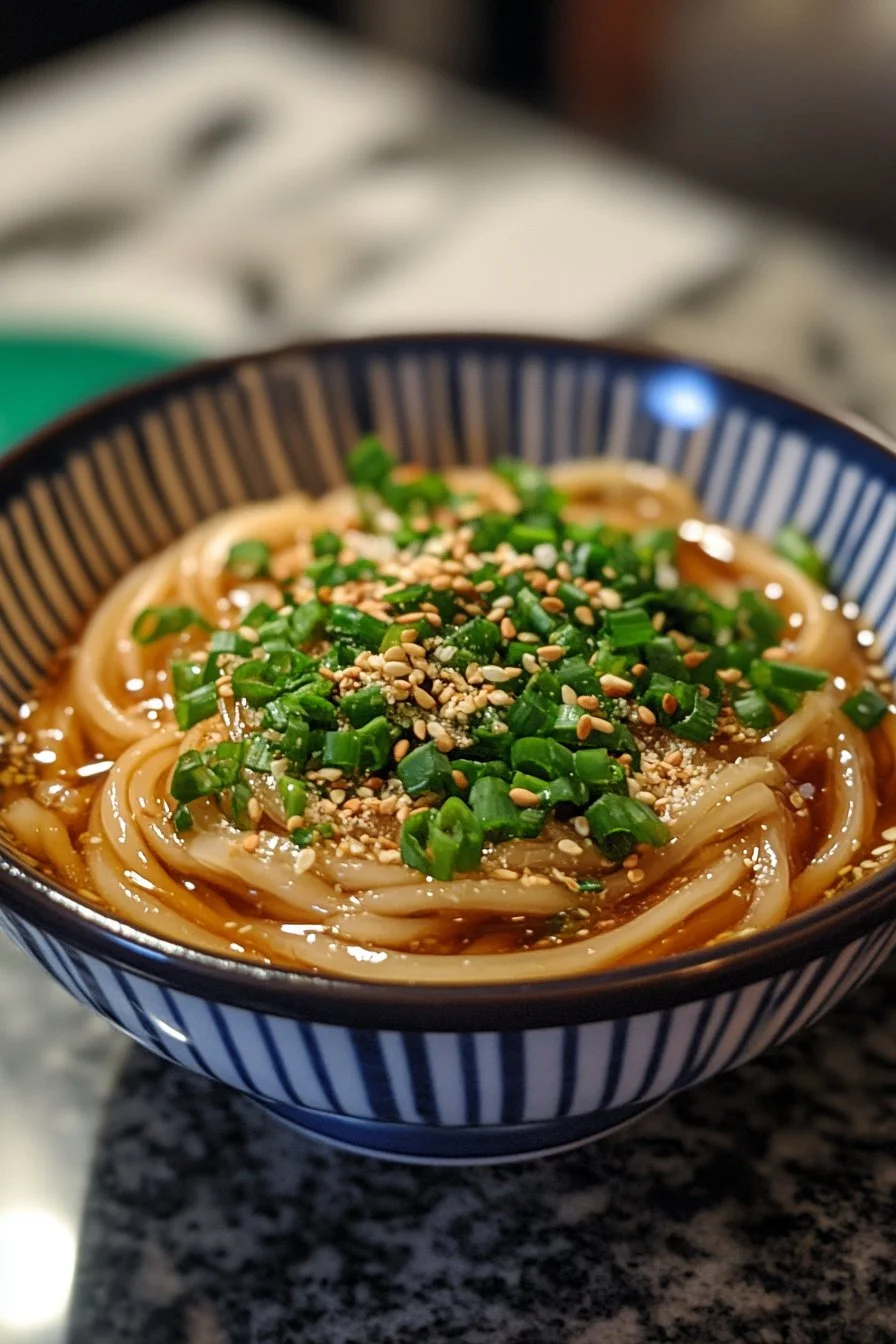
Presentation plays a vital role in enjoying soy sauce noodles. A simple garnishing of sliced green onions elevates the visual appeal and emphasizes the freshness of the dish. Serving the noodles hot retains their texture and flavor, making each bite enjoyable.
Pair the dish with a side of protein or a flavorful salad to create a complete meal. The beauty of soy sauce noodles lies not only in their taste but also in their versatility.
Pairings/storage
While enjoying soy sauce noodles, consider side options that will complement their flavor. Fresh vegetables or a light protein add balance to your meal. For leftovers, store them in an airtight container in the refrigerator for up to three days.
Reheating the noodles can be a simple process; just add a splash of water or soy sauce to reinvigorate the flavors and textures. Embrace the opportunity to explore new pairings, making each experience with soy sauce noodles unique.
Conclusion
The journey of cooking soy sauce noodles brings together a few ingredients to create a dish that’s both comforting and satisfying. Each step—from preparation to serving—offers moments of connection through shared meals. The joy of cooking lives in the simplicity of ingredients coming together to form something extraordinary. Rediscovering this classic dish can inspire anyone to gather around the table with warmth and zest. Embrace the flavors, and let them light up your culinary adventures.
Print
Soy Sauce Noodles
- Total Time: 20 minutes
- Yield: 4 servings
- Diet: Vegetarian
Description
A simple yet flavorful dish combining noodles, soy sauce, green onions, and garlic, perfect for family gatherings.
Ingredients
- Noodles (choose your preferred type)
- Soy sauce
- Green onions (sliced)
- Garlic (minced)
- Oil (for frying)
Instructions
- Cook the noodles according to package instructions and drain.
- In a large skillet, heat oil over medium heat.
- Add minced garlic and chopped green onions, sautéing until fragrant.
- Add the cooked noodles and soy sauce, stirring well to coat.
- Fry for a few minutes until heated through and slightly crispy.
- Serve hot.
Notes
For extra crunch, increase frying time slightly. Experiment with soy sauce to customize flavor.
- Prep Time: 10 minutes
- Cook Time: 10 minutes
- Category: Main Course
- Method: Frying
- Cuisine: Asian
Nutrition
- Serving Size: 1 serving
- Calories: 350
- Sugar: 4g
- Sodium: 600mg
- Fat: 10g
- Saturated Fat: 1g
- Unsaturated Fat: 8g
- Trans Fat: 0g
- Carbohydrates: 50g
- Fiber: 2g
- Protein: 12g
- Cholesterol: 0mg
Keywords: noodles, soy sauce, quick meal, vegetarian
