📑 Table of Contents ▶
- The Basics of Pasta with Peas
- Fundamentals
- Preparation/Setup
- Directions
- Techniques to Elevate Your Dish
- Technique
- Tips/Tricks
- Perfecting Your Pasta with Peas
- Perfecting Results
- Troubleshooting/Variations
- Presenting Your Pasta with Peas
- Serving/Presentation
- Pairings/Storage
- Conclusion
- Related posts:
- Crispy Hot Honey Feta Chicken: How to Make It at Home
- Maple Roasted Sweet Potatoes: Irresistibly Crispy Maple Cinnamon Delight
- One Pot Creamy Carrot Lentil Soup
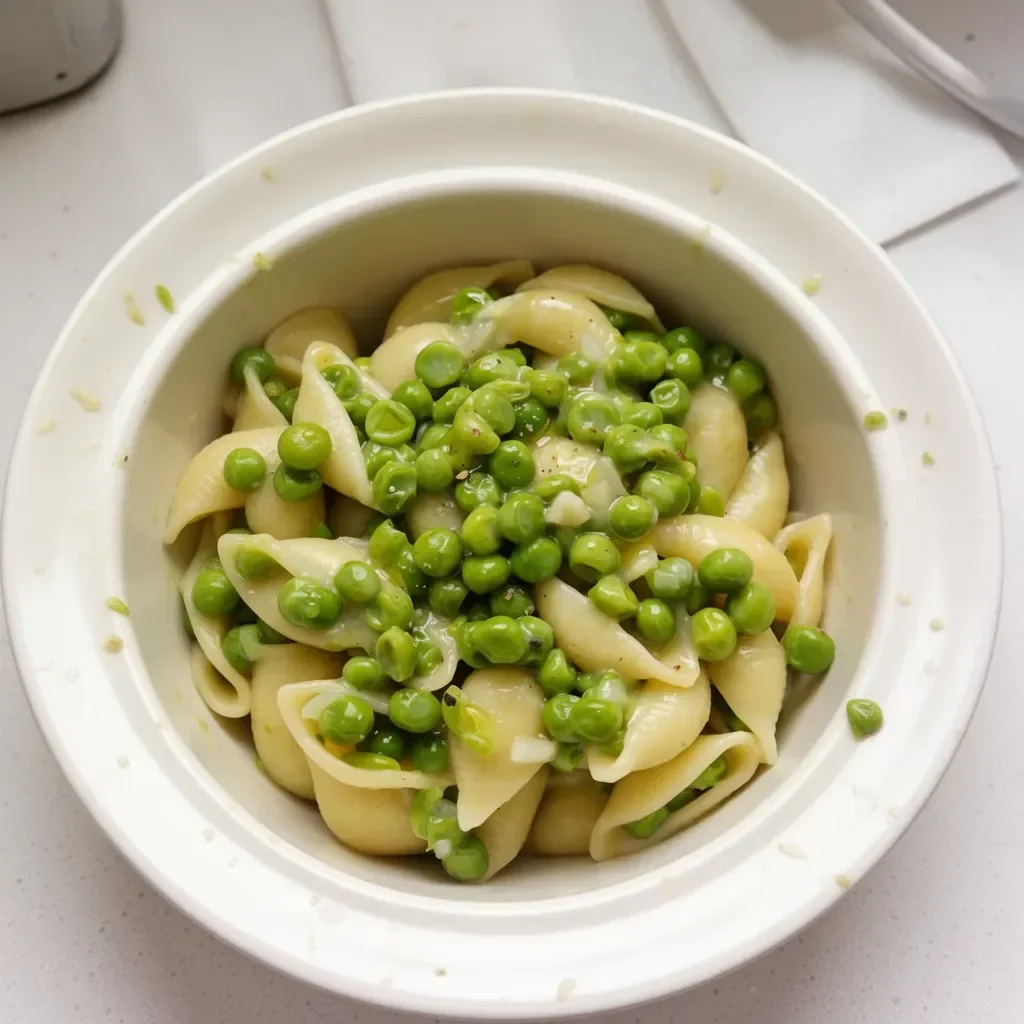
Pasta with Peas
Cooked pasta has a special place in the heart of comfort food lovers. It carries memories of cozy family dinners and celebrations, where laughter floats over shared plates. The simple act of boiling pasta brings back that warm feeling of togetherness, especially when combined with bright green peas. This dish highlights fresh flavors while being quick and straightforward, embodying the spirit of home cooking.
Growing up, dishes like pasta with peas were staples at family gatherings. It always felt magical to transform some basic ingredients into something so delicious. Those crunchy, sweet peas nestled in hearty pasta create a balance of texture and flavor that never fails to satisfy. Whether you’re returning from a busy day or sharing a meal with friends, this pasta delivers warmth and comfort.
Cooking doesn’t have to be complicated. Pasta with peas proves that simplicity can shine through when it comes to ingredients and preparation. With a few pantry staples, you can turn your kitchen into a delightful haven of flavors. Embrace the joy of making meals from scratch, as it connects us to our roots and to each other.
The Basics of Pasta with Peas
Fundamentals
Pasta with peas revolves around a few essential ingredients: pasta, peas, and cheese. This combination celebrates the natural sweetness of peas and the comforting texture of pasta. The beauty of this recipe lies in its versatility. You can choose from short-shaped pasta like shells, elbows, or ditalini, which all work wonderfully. This dish also caters to your preference.
The richness of the olive oil and the umami of parmesan cheese elevate the dish to new heights, making it more than just a simple meal. Peas offer vibrant color, delightful flavor, and crucial nutrients, making this dish both a feast for the eyes and a nourishing choice.
Preparation/Setup
Start your culinary adventure by gathering your ingredients. You need one tablespoon of extra virgin olive oil, one small diced onion, one pound of peas (fresh or frozen), two cups of low-sodium vegetable broth or water, half a pound of short-shaped pasta, half a cup of grated parmesan cheese, salt, and pepper to taste. Once you have your ingredients ready, you can focus on the magic of cooking.
Next, choose a large pot for cooking. Heating the olive oil over medium heat sets the stage for the dish. Once the oil shimmers, add the diced onion. Cooking this until it’s softened and translucent will infuse the oil with flavor, creating a perfect base for the peas and pasta to shine.
Ingredients
- 1 tablespoon extra virgin olive oil, plus more for drizzling
- 1 small onion, diced
- 1 lb (450 grams) peas, fresh or frozen
- 2 cups (480 ml) low-sodium vegetable broth or water, plus more if needed
- ½ lb (220 grams) short-shaped pasta (shells, elbows, ditalini…)
- ½ cup (50 grams) grated parmesan cheese, plus more to serve
- Salt & pepper, to taste
Directions
- Heat the olive oil in a large pot over medium heat.
- Add the diced onion and cook until it has softened and turned translucent, about 5 minutes.
- Add the peas and broth, then raise the heat to bring everything to a boil.
- Stir in the pasta and salt (use approximately 1 teaspoon and adjust later).
- Reduce the heat to a simmer, cover with a lid, and cook your pasta in the starchy water.
- Stir often during the cooking time to prevent the pasta from sticking to the bottom. The water should barely cover the pasta.
- Add extra water gradually only if needed.
- Cook until the pasta is done but firm to the bite, leaving minimal liquid at the end.
- Turn off the heat and stir in the freshly grated parmesan cheese until it melts and combines with the pasta and peas.
- Taste and adjust the seasoning if desired.
- Serve immediately with a drizzle of olive oil, black pepper, and extra parmesan cheese if you prefer.
Techniques to Elevate Your Dish
Technique
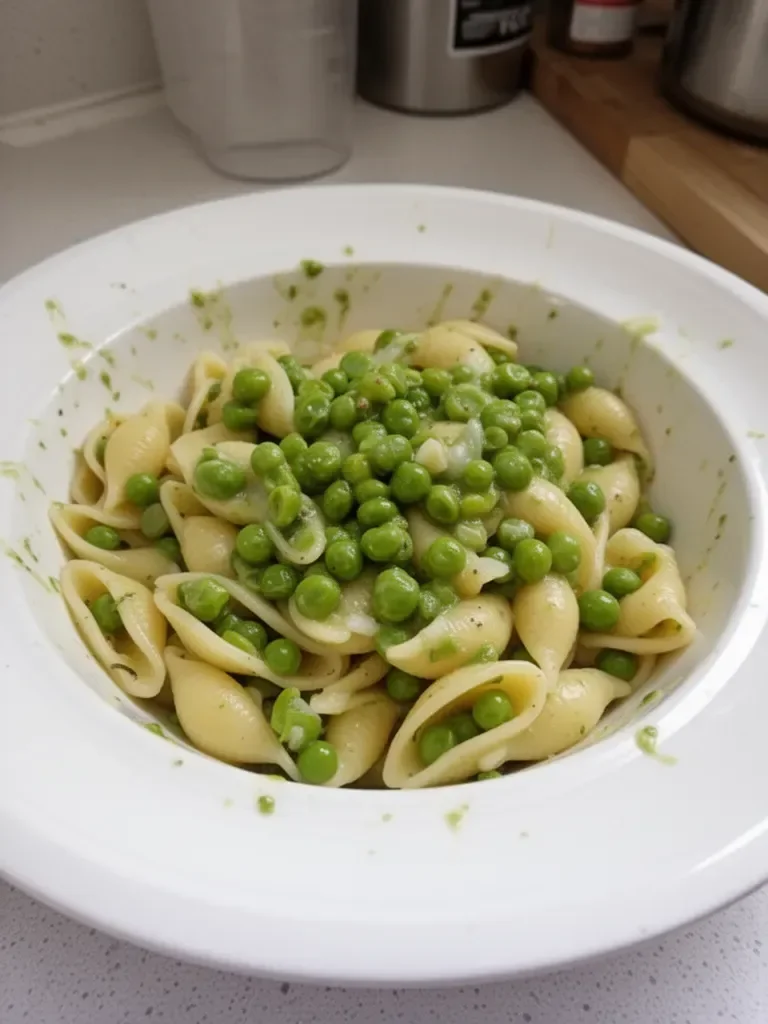
Mastering pasta with peas doesn’t require gourmet skills. Start with the right technique to ensure your pasta has the perfect texture. Cooking pasta directly in the starchy broth instead of boiling it separately is a game-changer. This method allows the pasta to absorb more flavor and keeps it from sticking together.
Stirring frequently while cooking prevents any noodles from clumping at the bottom. Keep a close eye on the liquid; you can always add a splash of water if necessary, but avoid overdoing it. The starch will create a creamy consistency that elevates the entire dish.
Tips/Tricks
Here are some great tips to enhance your pasta with peas:
- For added depth of flavor, consider sautéing garlic with the onion for an aromatic base.
- Experiment with fresh herbs like basil or mint for a refreshing twist.
- If you want a protein boost, cooked chicken or shrimp can complement this dish wonderfully.
- For a vegan option, swap out the parmesan cheese for nutritional yeast or a vegan cheese substitute.
- Leftover pasta can be used in salads or bowls the next day for a quick lunch.
Perfecting Your Pasta with Peas
Perfecting Results
Every cook strives for perfection, and this dish is no exception. The key to perfecting pasta with peas lies in timing. Keep an eye on the pasta as it cooks, ensuring it remains al dente. Overcooked pasta lacks the delightful bite that sets it apart.
Additionally, adjusting the seasoning at the end ensures you get the flavors just right. Freshly grated parmesan adds richness, but don’t hesitate to make this dish your own by balancing flavors to suit your taste.
Troubleshooting/Variations
Common pitfalls can occur, but they’re easily fixable. If your pasta turns out sticky, it likely needed more stirring. Prevent clumping by keeping the heat consistent and monitoring the cooking process. If your dish seems bland, a sprinkle of salt or an added squeeze of lemon can brighten up the flavors instantly.
Feel free to play with these variations to keep things interesting. Switch up the pasta shapes or incorporate seasonal vegetables alongside the peas for added color and nutrition.
Presenting Your Pasta with Peas
Serving/Presentation
The final presentation can transform a simple dish into a spectacular meal. Serve your pasta with peas in a large, inviting bowl. Drizzle a bit of extra virgin olive oil on top for a glossy finish. A generous serving of grated parmesan sprinkled over the dish adds aesthetic appeal and signals a treat awaits.
For garnish, consider some fresh herbs for a pop of color and freshness. A simple sprig of basil or a touch of chive can elevate the visual presentation and enhance the flavor.
Pairings/Storage
While enjoying your pasta with peas, consider light, refreshing side dishes. A simple green salad or sautéed vegetables pairs beautifully, balancing flavors and textures.
Store any leftovers in an airtight container in the refrigerator. Reheating on the stove with a splash of water will breathe life into the dish, maintaining its creamy consistency.
Conclusion
Pasta with peas becomes a delightful expression of comfort food at its finest, connecting generations through its simple components and loving preparation. Remember the joy of crafting something meaningful in your kitchen. By using fresh peas and quality pasta, you create more than a meal; you create experiences filled with warmth and joy. Each bite whispers of care, tradition, and the sheer love of cooking, embodying a true culinary adventure. Enjoy the simplicity and the flavors that make this dish a timeless favorite.
Print
Pasta with Peas
- Total Time: 25 minutes
- Yield: 4 servings 1x
- Diet: Vegetarian
Description
A comforting dish featuring pasta and sweet peas, combined with olive oil and parmesan for a quick and delicious meal.
Ingredients
- 1 tablespoon extra virgin olive oil, plus more for drizzling
- 1 small onion, diced
- 1 lb (450 grams) peas, fresh or frozen
- 2 cups (480 ml) low-sodium vegetable broth or water, plus more if needed
- ½ lb (220 grams) short-shaped pasta (shells, elbows, ditalini)
- ½ cup (50 grams) grated parmesan cheese, plus more to serve
- Salt & pepper, to taste
Instructions
- Heat the olive oil in a large pot over medium heat.
- Add the diced onion and cook until it has softened and turned translucent, about 5 minutes.
- Stir in the peas and broth, then raise the heat to bring everything to a boil.
- Mix in the pasta and salt (approx. 1 teaspoon, adjust later).
- Reduce the heat to a simmer, cover with a lid, and cook your pasta in the starchy water.
- Stir often during the cooking time to prevent the pasta from sticking. The water should barely cover the pasta.
- Add extra water gradually only if needed.
- Cook until the pasta is done but firm to the bite, leaving minimal liquid at the end.
- Turn off the heat and stir in the freshly grated parmesan cheese until it melts and combines with the pasta and peas.
- Taste and adjust the seasoning if desired.
- Serve immediately with a drizzle of olive oil, black pepper, and extra parmesan cheese if you prefer.
Notes
For added flavor, sauté garlic with the onion and use fresh herbs like basil or mint. For a vegan option, substitute parmesan with nutritional yeast.
- Prep Time: 10 minutes
- Cook Time: 15 minutes
- Category: Main Course
- Method: Baking
- Cuisine: Italian
Nutrition
- Serving Size: 1 serving
- Calories: 400
- Sugar: 6g
- Sodium: 300mg
- Fat: 14g
- Saturated Fat: 5g
- Unsaturated Fat: 7g
- Trans Fat: 0g
- Carbohydrates: 54g
- Fiber: 5g
- Protein: 16g
- Cholesterol: 20mg
Keywords: pasta, peas, comfort food, vegetarian meal, quick dinner