📑 Table of Contents ▶
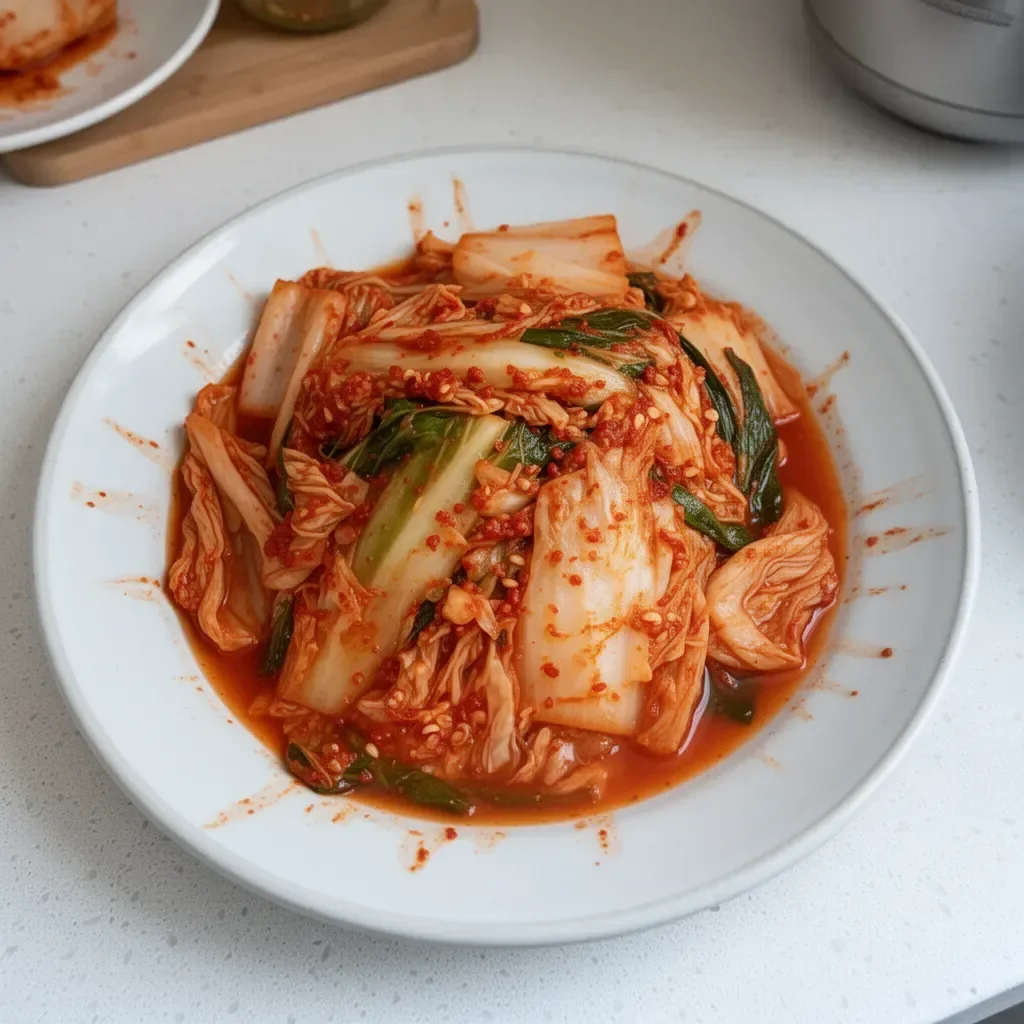
Easy & Delicious Kimchi
Napa cabbage has always had a special place in my heart. Growing up in a family that cherished traditional flavors, kimchi was more than just a dish; it represented warmth and togetherness. I remember my grandmother meticulously preparing each ingredient, transforming a simple head of napa cabbage into a tangy, vibrant side dish. The process felt like a delightful ritual, filled with laughter and love.
Kimchi, with its perfect balance of spicy, salty, and savory, can elevate any meal. Each bite bursts with flavor, and knowing it’s homemade makes it even more rewarding. The excitement of waiting for the fermentation to work its magic only adds to the anticipation. This recipe, featuring a medium head of napa cabbage and a handful of other fresh ingredients, continues this cherished family tradition.
Through this guide, I hope to inspire you to create your own batch of easy and delicious kimchi. Embrace the process and enjoy crafting this iconic dish—each step brings you closer to an authentic taste that celebrates culinary heritage.
Easy & Delicious Kimchi
Fundamentals
Kimchi is more than just a dish; it’s a staple in many Korean households. The delicious blend of flavors and textures makes it a favorite worldwide. This fermented vegetable dish acts as a delightful side, packing nutrition and flavor in every bite.
At its core, the main ingredient is napa cabbage, known for its crunchy texture and mild flavor. This versatile vegetable serves as the perfect canvas for the spices and seasonings that define kimchi. Fermentation enhances the natural flavors, creating a tanginess that pairs beautifully with an array of dishes.
The ingredient list is simple yet deeply flavorful. You can find everything at your local grocery store, making the preparation step accessible for everyone. The process may seem daunting, but with a few steps, the result is a batch of kimchi that’s easy and delicious.
Preparation/setup
Begin by preparing the napa cabbage, as this is the foundation of your kimchi. Cut the cabbage into quarters and rinse them under cold water. This step is essential for ensuring freshness. Next, sprinkle the iodine-free sea salt or kosher salt evenly over the cabbage, making sure to coat each layer well. The salt works its magic by drawing moisture out and creating a brine.
Set the salted cabbage aside for about two hours, allowing the leaves to soften while soaking up the salt. The texture transforms, becoming tender yet still crunchy. After the two-hour mark, rinse the cabbage thoroughly in cold water to remove excess salt—this ensures that your kimchi isn’t overly salty.
Once rinsed, drain the cabbage well. This step prevents excess water from diluting the kimchi paste you’ll soon create. The preparation is straightforward, guiding you toward that delicious end result.
Ingredients
For a batch of easy and delicious kimchi, you will need the following ingredients:
- 1 medium head napa cabbage
- 1/4 cup iodine-free sea salt or kosher salt
- Water (distilled or filtered)
- 1 tbsp grated garlic
- 1 tsp grated fresh ginger
- 1 tsp granulated sugar
- 2 tbsp fish sauce or salted shrimp paste
- 1 to 5 tbsp Korean red pepper flakes (gochugaru)
- 8 oz Korean radish or daikon radish
- 4 medium scallions (cut into 1-inch pieces)
These ingredients blend together to create a classic kimchi that bursts with flavor. The garlic and ginger add depth, while the fish sauce offers a savory umami kick. The spice level can be adjusted to your liking with gochugaru.
Directions
With your cabbage prepared and ingredients gathered, let’s create your kimchi!
- Prepare and Salt the Cabbage: After rinsing and draining your cabbage, massage the salt into the leaves to ensure an even distribution. Allow it to sit for two hours.
- Rinse and Drain: Thoroughly rinse the salted cabbage under cold water and drain it well, ensuring no extra moisture remains.
- Make the Kimchi Paste: In a bowl, combine the grated garlic, ginger, granulated sugar, fish sauce (or shrimp paste), and Korean red pepper flakes. Adjust the amount of gochugaru based on your spice preferences.
- Combine Everything: Chop the drained cabbage into bite-sized pieces. Add the chopped cabbage, Korean radish (or daikon), and scallions to the kimchi paste. Mix everything well until all ingredients are coated in the paste.
- Pack the Jar: Transfer the mixture into a clean jar. Press down firmly to prevent air pockets, leaving some space at the top to allow for fermentation.
- Ferment at Room Temperature: Cover the jar loosely and let it ferment at room temperature for 1 to 5 days. Check it daily to make sure it’s fermenting to your taste.
Perfecting Your Kimchi
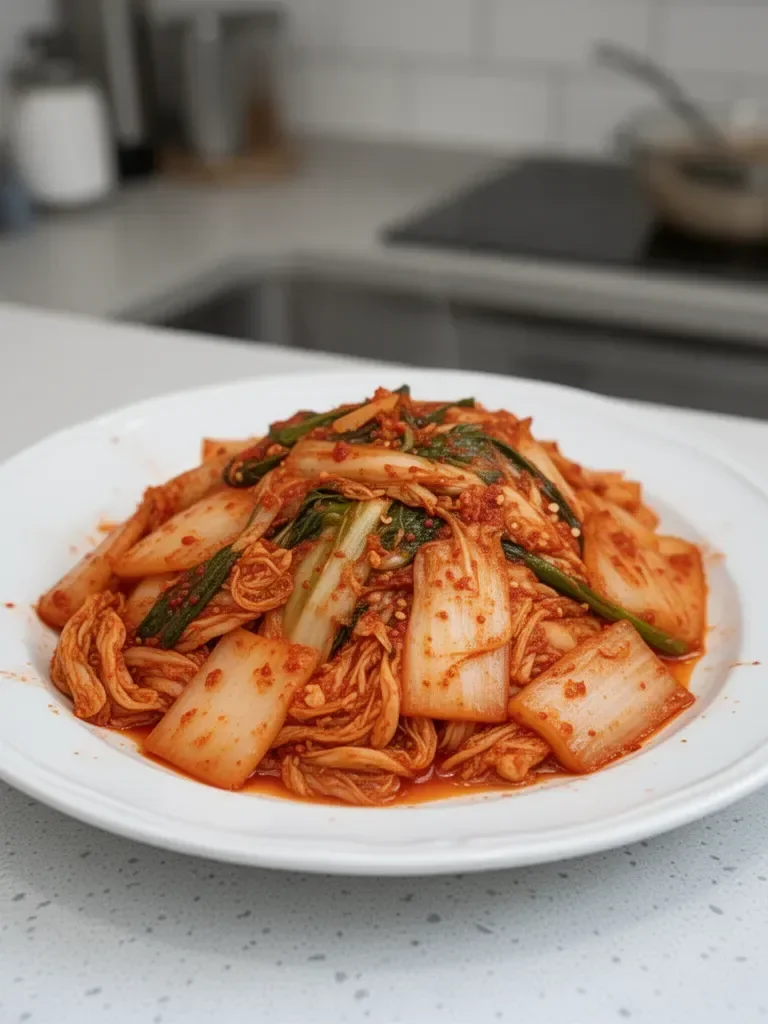
Creating the perfect easy and delicious kimchi involves understanding the fermentation process. Each batch provides a unique taste, influenced by temperature, humidity, and the specific ingredients used.
Taking note of your environment will help you hone in on the ideal fermentation time. In warmer climates, kimchi ferments faster. Cooler spaces may require longer to accomplish the same flavor intensity.
Technique
Monitoring your kimchi during fermentation is crucial. Taste it daily to ensure it develops the desired flavor profile. If it reaches your preferred tanginess, transfer it to the refrigerator immediately to slow the fermentation process.
Properly packed in an airtight container, kimchi lasts for weeks in the refrigerator, often tasting better as it ages.
Tips/tricks
- Customize your kimchi by adjusting the spice level to suit your palate. Begin with a small amount of Korean red pepper flakes and gradually increase to your preference.
- Experiment with other vegetables like carrots or cucumbers for added variety.
- Store your kimchi in a glass jar to avoid any lingering odors or flavors in plastic containers.
Troubleshooting/Variations
If your kimchi tastes overly salty, rinse the vegetables a second time or adjust the amount of salt used in your next batch. Fermentation can be finicky, so don’t hesitate to experiment.
A variety of ingredients can elevate your recipe. Add fruits like Asian pears for sweetness or more garlic for an intense flavor. Mixing different types of radish adds complexity, enhancing the crunch and overall experience.
Perfecting results
Finding the right balance in your kimchi can take some trial and error. If flavors seem muted, consider increasing the amount of garlic or ginger in your next attempt.
Keep notes of your variations to replicate successful batches in the future.
Serving and Storage
When serving kimchi, present it alongside rice or use it as a flavorful topping for salads and grain bowls. The vibrant colors and bold flavors create a beautiful presentation that invites people to try this delightful dish.
Proper storage is essential for maintaining freshness. Place your kimchi in the refrigerator after it reaches your preferred flavor during fermentation.
It retains its quality well for several weeks, ensuring you enjoy its unique taste for some time. Serve it cold, allowing the flavors to shine through.
Pairings/storage
This easy and delicious kimchi works wonderfully as a side dish. Its bold flavors complement many meals, enhancing a variety of cuisines. Use it alongside grilled vegetables, rice, or as a topping on savory dishes.
Store your kimchi in a clean, airtight container in the refrigerator. It should remain fresh for several weeks, becoming more flavorful over time as it continues to ferment slowly.
Kimchi serves not only as a delightful condiment but also as a health-packed addition to your meals. It acts as a natural probiotic and provides numerous health benefits.
Ready to embark on your kimchi-making journey? Dive into this process, enjoy the delightful flavors involved, and discover how easy and delicious homemade kimchi can truly be.
Print
Easy & Delicious Kimchi
- Total Time: 75 minutes
- Yield: 4 servings 1x
- Diet: Vegetarian
Description
A classic homemade kimchi recipe featuring napa cabbage and a blend of flavorful ingredients that celebrates culinary heritage.
Ingredients
- 1 medium head napa cabbage
- 1/4 cup iodine-free sea salt or kosher salt
- Water (distilled or filtered)
- 1 tbsp grated garlic
- 1 tsp grated fresh ginger
- 1 tsp granulated sugar
- 2 tbsp fish sauce or salted shrimp paste
- 1 to 5 tbsp Korean red pepper flakes (gochugaru)
- 8 oz Korean radish or daikon radish
- 4 medium scallions (cut into 1-inch pieces)
Instructions
- Prepare and Salt the Cabbage: After rinsing and draining your cabbage, massage the salt into the leaves to ensure an even distribution. Allow it to sit for two hours.
- Rinse and Drain: Thoroughly rinse the salted cabbage under cold water and drain it well, ensuring no extra moisture remains.
- Make the Kimchi Paste: In a bowl, combine the grated garlic, ginger, granulated sugar, fish sauce (or shrimp paste), and Korean red pepper flakes. Adjust the amount of gochugaru based on your spice preferences.
- Combine Everything: Chop the drained cabbage into bite-sized pieces. Add the chopped cabbage, Korean radish (or daikon), and scallions to the kimchi paste. Mix everything well until all ingredients are coated in the paste.
- Pack the Jar: Transfer the mixture into a clean jar. Press down firmly to prevent air pockets, leaving some space at the top to allow for fermentation.
- Ferment at Room Temperature: Cover the jar loosely and let it ferment at room temperature for 1 to 5 days. Check it daily to make sure it’s fermenting to your taste.
Notes
Customize your kimchi by adjusting the spice level to suit your palate. Store in a glass jar to avoid lingering odors.
- Prep Time: 15 minutes
- Cook Time: 60 minutes
- Category: Side Dish
- Method: Fermentation
- Cuisine: Korean
Nutrition
- Serving Size: 1 serving
- Calories: 80
- Sugar: 1g
- Sodium: 700mg
- Fat: 1g
- Saturated Fat: 0g
- Unsaturated Fat: 0g
- Trans Fat: 0g
- Carbohydrates: 15g
- Fiber: 2g
- Protein: 3g
- Cholesterol: 0mg
Keywords: kimchi, napa cabbage, fermented vegetables