📑 Table of Contents ▶
- Part 1 — Lemon Cake Fundamentals
- Fundamentals
- Preparation/Setup
- Directions
- Part 2 — Techniques for a Perfect Lemon Cake
- Technique
- Tips and Tricks
- Part 3 — Perfecting Your Lemon Cake Results
- Perfecting Results
- Troubleshooting and Variations
- Part 4 — Serving and Enjoying Your Lemon Cake
- Serving and Presentation
- Pairings and Storage
- Conclusion
- Related posts:
- Pumpkin Magic Custard Cake: Heavenly Fall Delight
- 3 Ingredient Easy Sugar Cookies
- Honey Peach Cream Cheese Cupcakes: Irresistibly Delicious Treats
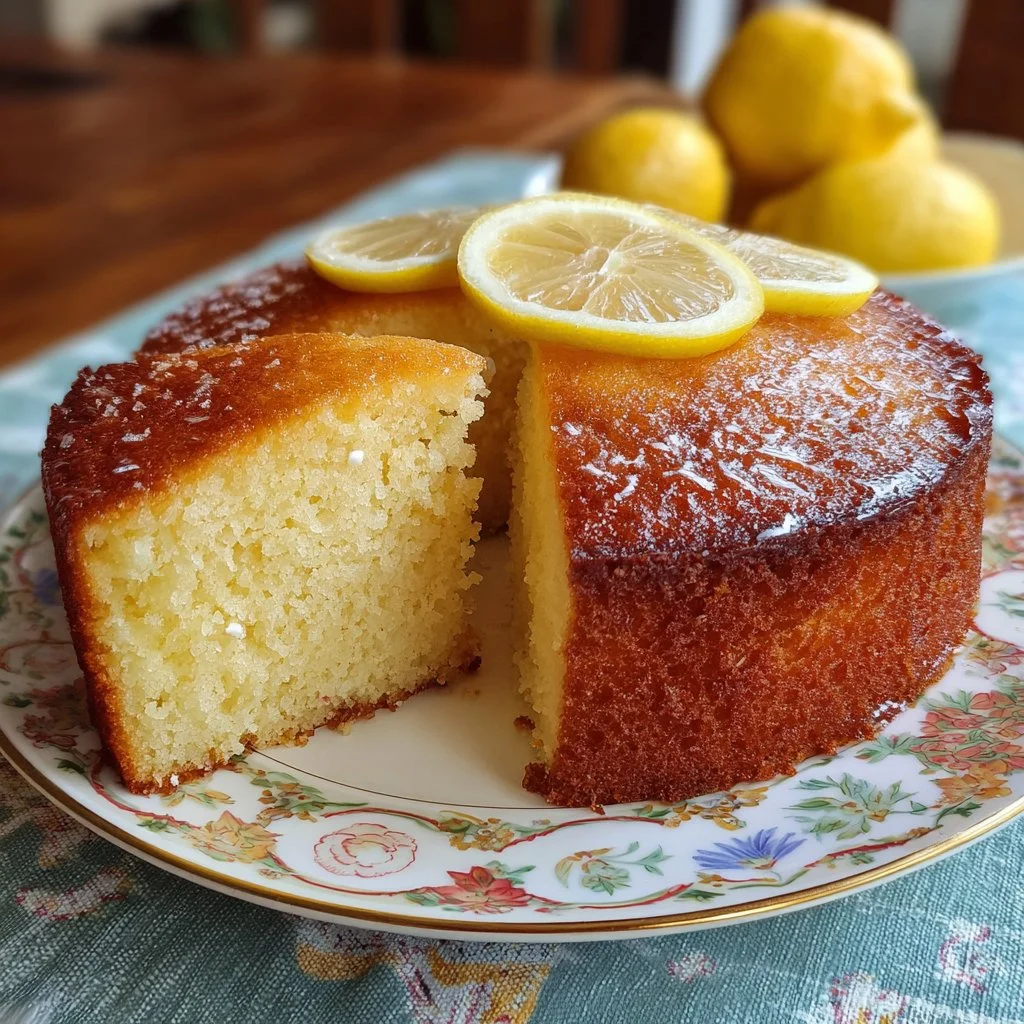
Lemon Cake to Die For
Life has a way of reminding us of the simple joys. The scent of fresh lemons transports me back to lazy summer days in my grandmother’s kitchen. She always seemed to have a batch of her famous lemon cake cooling on the counter. I remember the sunny yellow frosting and its sweet-tart flavor that brightened even the dullest afternoons.
That lemon cake became a treasured family recipe, shared during birthdays and friendly gatherings. Each bite represented love and connection, a blend of celebration and nostalgia wrapped in a luscious cake. The soft, airy texture and zesty essence of lemon made it irresistible, leaving everyone craving just one more slice.
Every time I bake a lemon cake, I feel that twinkling happiness in the air, reminiscent of those carefree days. It’s this cake that has become my go-to for any occasion, a dessert that never fails to bring smiles and satisfied sighs.
Let’s dive into the delightful journey of creating this mouthwatering lemon cake that’ll evoke the same joy for you and your loved ones.
Part 1 — Lemon Cake Fundamentals
Fundamentals
Understanding the fundamentals of baking brings confidence to your kitchen. Lemon cake stands out due to its vibrant flavor and fluffy texture. With a balanced mix of wet and dry ingredients, this cake achieves a perfect rise and delightful crumb.
The primary ingredients in this cake include flour, eggs, butter, and of course, fresh lemons. Each plays a critical role in crafting that unique lemon essence. All-purpose flour provides structure, while granulated sugar adds sweetness, ensuring that your cake doesn’t become overly tart.
Leavening agents like baking powder and baking soda create that airy texture crucial for a lemon cake. Buttermilk introduces moisture and tang, enhancing the cake’s overall flavor. With the right balance of these fundamentals, you can create a dessert that feels light yet indulgent.
Preparation/Setup
Proper preparation sets the stage for baking success. Start by preheating your oven to 350°F (175°C). This step ensures even cooking throughout the cake. Next, grease and flour an 8-inch round cake pan, preventing any sticky disasters when it’s time to serve.
Gather all ingredients before starting to simplify the process. Make sure butter is softened to room temperature, allowing it to cream smoothly with sugar. This creaming process is essential as it incorporates air, making the cake light and fluffy.
Ingredients
The ingredients required for this luscious lemon cake are:
- 1 1/2 cups all-purpose flour
- 1 cup granulated sugar
- 1/2 cup unsalted butter, softened
- 3 large eggs
- 1/2 cup buttermilk
- 1/4 cup fresh lemon juice
- 1 tablespoon lemon zest
- 1 teaspoon baking powder
- 1/2 teaspoon baking soda
- 1/4 teaspoon salt
- 1 cup powdered sugar (for glaze)
- 2 tablespoons fresh lemon juice (for glaze)
Directions
Follow these straightforward directions to create your lemon cake:
- Preheat the oven to 350°F (175°C). Grease and flour an 8-inch round cake pan.
- In a large bowl, cream together the softened butter and granulated sugar until light and fluffy.
- Add the eggs one at a time, beating well after each addition.
- Mix in the buttermilk, fresh lemon juice, and lemon zest.
- In another bowl, whisk together the flour, baking powder, baking soda, and salt.
- Gradually add the dry ingredients to the wet mixture, stirring until just combined.
- Pour the batter into the prepared cake pan and smooth the top.
- Bake for 25-30 minutes or until a toothpick inserted into the center comes out clean.
- Let the cake cool in the pan for 10 minutes, then transfer to a wire rack.
- For the glaze, mix the powdered sugar with lemon juice until smooth. Drizzle over the cooled cake before serving.
Part 2 — Techniques for a Perfect Lemon Cake
Technique
Mastering the right techniques significantly enhances your baking. Start by creaming the butter and sugar thoroughly until it turns pale and fluffy. This process introduces air into your batter, which adds lightness.
When adding eggs, beat well after each addition to ensure proper emulsification. Emulsifying creates a creamy texture that prevents your cake from becoming dense.
When incorporating dry ingredients, mix until just combined. Overmixing can develop gluten in the flour, leading to a tougher cake. Achieving a smooth but slightly lumpy batter promises a tender crumb.
Tips and Tricks
Keep these tips in mind to elevate your lemon cake to new heights. Fresh ingredients yield the best results, especially with citrus. Always opt for fresh lemons for juice and zest.
A second key tip is to let your cake cool entirely before glazing. This prevents the glaze from melting into the cake, preserving that lovely, sweet finish.
Experiment with flavors by incorporating ingredients like poppy seeds or blueberries for an unexpected twist. Each addition creates unique flavors while maintaining that beautiful lemon profile.
Part 3 — Perfecting Your Lemon Cake Results
Perfecting Results
To refine your lemon cake, focus on baking times. Ovens can vary, so start checking for doneness a few minutes before the suggested time. A toothpick inserted in the center should come out clean or with a few moist crumbs, not wet batter.
Once baked, let the cake cool properly. Cooling time allows the structure to set, reducing the chances of your cake collapsing.
If a crack forms on the surface, don’t fret. You can cover it with the luscious glaze, making it look intentional and delicious.
Troubleshooting and Variations
Baking offers endless opportunities for troubleshooting and variations. Should your cake turn out dense, check your measurements. Accurately measuring flour is essential, as too much can create a heavy cake.
Variations can add excitement. Try a raspberry or blueberry glaze instead of lemon for a fruity alternative. This twist infuses unexpected flavor while maintaining the essence of a citrus cake.
If you find your cake isn’t sweet enough, consider adding a little more sugar to the batter or increasing the glaze sweetness.
Part 4 — Serving and Enjoying Your Lemon Cake
Serving and Presentation
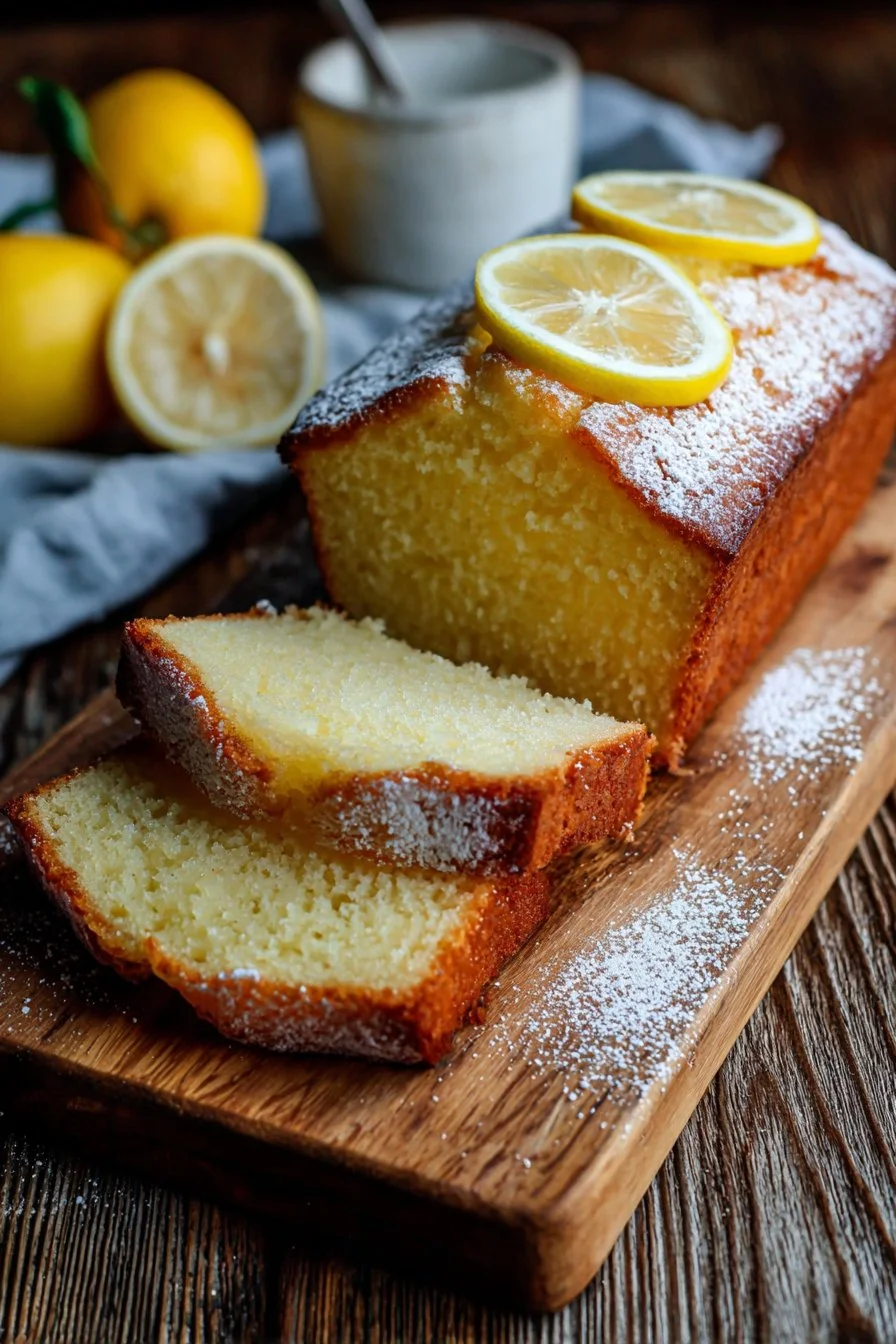
Presentation elevates any dish, even a simple cake. Dust powdered sugar lightly over the top before serving for a snowy appearance. Pair it with a dollop of whipped cream or a scoop of vanilla ice cream for added indulgence.
Slice the cake evenly to showcase its tender crumb and fluffy texture. A decorative plate does wonders for presentation, transforming a homey dessert into an elegant treat.
Pairings and Storage
While the cake shines on its own, consider serving it with fresh fruit or a light fruit salad. These side options complement the lemon flavor beautifully.
Store any leftovers in an airtight container at room temperature for up to three days. If the heat becomes too much, you may refrigerate it to keep it fresh longer. Just remember to bring it back to room temperature before serving for the best taste and texture.
Conclusion
The journey of creating a lemon cake to die for becomes more delightful with each step. This recipe intertwines personal memories, family traditions, and the joy of baking. By following the straightforward directions and incorporating tips, anyone can create this irresistible treat. So don your apron, gather your ingredients, and unleash the magic of lemon cake in your kitchen. It’s time to celebrate flavors that unite us all.
Print
Lemon Cake to Die For
- Total Time: 45 minutes
- Yield: 8 servings 1x
- Diet: Vegetarian
Description
A delightful lemon cake with a sweet-tart flavor and fluffy texture, perfect for any occasion.
Ingredients
- 1 1/2 cups all-purpose flour
- 1 cup granulated sugar
- 1/2 cup unsalted butter, softened
- 3 large eggs
- 1/2 cup buttermilk
- 1/4 cup fresh lemon juice
- 1 tablespoon lemon zest
- 1 teaspoon baking powder
- 1/2 teaspoon baking soda
- 1/4 teaspoon salt
- 1 cup powdered sugar (for glaze)
- 2 tablespoons fresh lemon juice (for glaze)
Instructions
- Preheat the oven to 350°F (175°C). Grease and flour an 8-inch round cake pan.
- Cream together the softened butter and granulated sugar until light and fluffy.
- Add the eggs one at a time, beating well after each addition.
- Mix in the buttermilk, fresh lemon juice, and lemon zest.
- Whisk together the flour, baking powder, baking soda, and salt in another bowl.
- Gradually add the dry ingredients to the wet mixture, stirring until just combined.
- Pour the batter into the prepared cake pan and smooth the top.
- Bake for 25-30 minutes or until a toothpick inserted into the center comes out clean.
- Let the cake cool in the pan for 10 minutes, then transfer to a wire rack.
- Mix the powdered sugar with lemon juice until smooth and drizzle over the cooled cake before serving.
Notes
Use fresh lemons for juice and zest for the best flavor. Allow the cake to cool completely before glazing.
- Prep Time: 15 minutes
- Cook Time: 30 minutes
- Category: Dessert
- Method: Baking
- Cuisine: American
Nutrition
- Serving Size: 1 slice
- Calories: 350
- Sugar: 30g
- Sodium: 400mg
- Fat: 12g
- Saturated Fat: 4g
- Unsaturated Fat: 6g
- Trans Fat: 0g
- Carbohydrates: 45g
- Fiber: 1g
- Protein: 6g
- Cholesterol: 30mg
Keywords: lemon cake, dessert, baking, summer, sweet-tart, family recipe
