
📑 Table of Contents ▶
- Part 1 — Soft Brioche Loaf Basics
- Fundamentals
- Preparation/Setup
- Directions
- Part 2 — Perfecting Your Soft Brioche Loaf Technique
- Technique
- Tips/Tricks
- Part 3 — Troubleshooting and Perfecting Results
- Perfecting Results
- Troubleshooting/Variations
- Part 4 — Serving and Storing Soft Brioche Loaf
- Serving/Presentation
- Pairings/Storage
- Conclusion
- Soft Brioche Loaf
- Related posts:
- Neapolitan Chocolate Chip Cookie Cake: How to Make The Best Ever
- 5 Easy Steps to Perfect Raspberry Swirl Shortbread Cookies
- Chocolate Chip Oatmeal Muffins With Banana and Gooey Yogurt: Irresistibly Indulgent Delights
Soft Brioche Loaf Easy French Bread Recipe
Baking has a unique way of creating memories. One of my fondest childhood memories involves the smell of freshly baked bread wafting through my grandmother’s kitchen. That aroma signaled warmth, love, and treats to come. Soft brioche loaf was always the star of the show, with its tender texture and rich flavor.
As I grew older, I realized that this lovely bread could transform any simple meal into a feast. The joy of crafting a soft brioche loaf lies in mixing basic ingredients to create something heavenly. It feels almost magical. Whether you enjoy it fresh out of the oven, slathered with butter and jam, or as French toast in the morning, this easy recipe will make cooking feel rewarding.
Soft brioche loaf embodies comfort, as it invites sharing around the table. It’s one of those recipes that encourages you to gather friends and family to enjoy simple moments together. It fills the home with a captivating scent that invites everyone to come closer. This recipe promises a delightful baking experience, so let’s get started on creating this delicious bread together.
Part 1 — Soft Brioche Loaf Basics
Fundamentals
Creating the perfect soft brioche loaf requires understanding its fundamental components. The most important ingredients are flour, yeast, and butter. Each element plays a vital role in achieving that renowned texture and flavor. The right balance of moisture, fat, and air helps create that light, fluffy crumb that brioche lovers crave.
Before diving into the process, ensure your kitchen is ready. Organize your workspace and gather your ingredients: all-purpose flour, active dry yeast, granulated sugar, fine salt, warm whole milk, room temperature eggs, very soft unsalted butter, one beaten egg, and one tablespoon of milk. This foundational approach will make it easier to navigate each step.
Preparation/Setup
To begin your soft brioche loaf journey, prepare your kitchen by preheating the oven as you assemble the ingredients. This recipe incorporates a few rises, which develop flavor and structure. Start by measuring 4 cups of all-purpose flour and adding it to a large mixing bowl, followed by the yeast and sugar. Whisk these dry ingredients together, ensuring an even distribution.
Once you have your dry mixture ready, warm the milk. The milk should be comfortably warm to the touch but not hot, as excessive heat can kill the yeast. Combine the warm milk with the dry ingredients, followed by the room temperature eggs. Mix everything until a shaggy dough forms, and then gently knead in the butter.
Ingredients
- 4 cups all-purpose flour
- 1 packet active dry yeast (2 1/4 teaspoons)
- 1/4 cup granulated sugar
- 1 teaspoon fine salt
- 3/4 cup warm whole milk
- 3 large eggs (room temperature)
- 10 tablespoons unsalted butter (very soft)
- 1 egg (beaten)
- 1 tablespoon milk
Directions
- In a large bowl, whisk together the flour, yeast, and sugar.
- Heat the milk until warm and add to the dry mixture.
- Beat in the room temperature eggs one at a time, mixing well after each addition.
- Incorporate the very soft butter, kneading until smooth and elastic.
- Once the dough comes together, cover it with a damp cloth and let it rise in a warm place until doubled in size, about 1-2 hours.
- After the first rise, gently punch down the dough and place it in the refrigerator to chill for at least 30 minutes.
Part 2 — Perfecting Your Soft Brioche Loaf Technique
Technique
Shaping the brioche is a skill that improves with practice. After chilling the dough, turn it out onto a lightly floured surface. Divide the dough into equal portions for shaping. Traditional brioche is shaped into rounds or can be braided for a stunning presentation.
When rolling out each piece, try to create tension by pulling the dough towards you, which helps achieve that fluffy texture. Arrange the shaped dough into a greased loaf pan, ensuring there’s enough space for the final rise. The loaf will expand once again as it proves in the oven.
Tips/Tricks
One secret to a successful soft brioche loaf is patience. Allow each rise to fully develop before proceeding. This allows the flavor to deepen and the texture to improve. Another important tip is to maintain the right temperature throughout the process. Keep your workspace warm to promote yeast activity.
When preparing to bake, remember to preheat the oven to 375°F. This ensures an even bake and creates that golden-brown crust everyone loves. To monitor the progress, check the loaf periodically, as baking times can vary depending on your oven’s characteristics.
Part 3 — Troubleshooting and Perfecting Results
Perfecting Results
To achieve the perfect soft brioche loaf, ask yourself if the dough has risen adequately during each step. If your loaf doesn’t rise as expected, the yeast might be expired, or the dough could be too cool. On the other hand, an over-proofed dough tends to collapse in the oven. Aim for a balanced rise, with dough doubling in size at each stage.
Another critical aspect is baking time. If your bread browns too quickly, shield it with aluminum foil during the last few minutes. Undertaking these small adjustments will help create the ideal brioche experience.
Troubleshooting/Variations
If the brioche loaf doesn’t pull apart easily, over-kneading may have occurred. The dough should be smooth and elastic but not tough. If your bread ends up denser than desired, you may have rushed the proving stages. Don’t hesitate to experiment with the shaping techniques. A braided brioche or individual rolls can turn out just as delicious while offering a unique aesthetic.
Consider adding your favorite flavors like vanilla or zest for a delightful twist. The addition of herbs can create savory options. Be bold in your kitchen adventures, as there are numerous ways to customize your soft brioche loaf.
Part 4 — Serving and Storing Soft Brioche Loaf
Serving/Presentation
Presentation elevates the joy of serving your soft brioche loaf. Opt for a clean, rustic board or a lovely basket for serving. Slicing the bread while warm allows for that fresh, inviting aroma to captivate your guests. Serve with an assortment of spreads like butter, honey, or your favorite fruit preserves for a wonderful brunch experience.
Imagine enjoying golden slices paired with fresh berries or even as a base for sandwiches filled with preferred ingredients. The possibilities are endless when sharing your creation.
Pairings/Storage
While the soft brioche loaf stands well alone, enjoy pairing it with hearty soups, stews, or even salads to create a wholesome meal.
For storage, keep the bread at room temperature wrapped in plastic wrap or in an airtight container to maintain its softness. If you have leftovers, freezing slices allows future enjoyment without losing quality. Just thaw and gently warm for a freshly baked experience.
Conclusion
The joy of creating a soft brioche loaf lies in the process and the delicious results. From childhood memories to contemporary family gatherings, this lovely bread brings people together. Each bite celebrates simple ingredients transformed into something truly special. Embrace the journey of baking your soft brioche loaf, and let it inspire connection and warmth at your table.
Print
Soft Brioche Loaf
- Total Time: 45 minutes
- Yield: 1 loaf 1x
- Diet: Vegetarian
Description
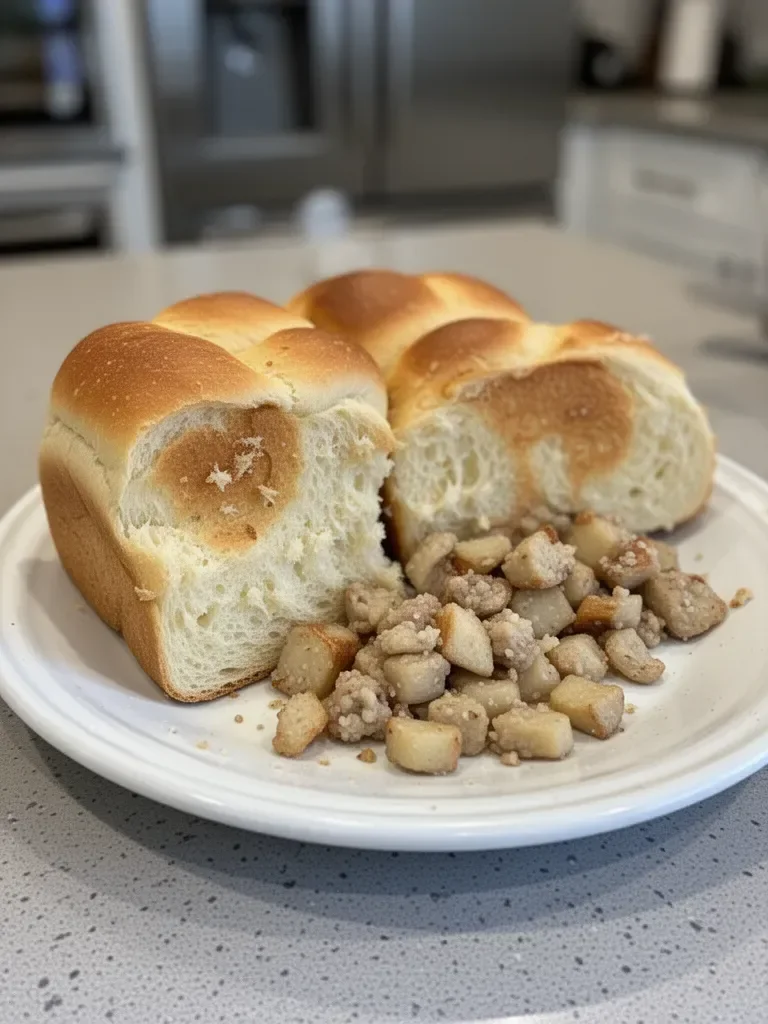
This soft brioche loaf is a tender, rich bread perfect for any occasion, whether enjoyed fresh or as French toast.
Ingredients
- 4 cups all-purpose flour
- 1 packet active dry yeast (2 1/4 teaspoons)
- 1/4 cup granulated sugar
- 1 teaspoon fine salt
- 3/4 cup warm whole milk
- 3 large eggs (room temperature)
- 10 tablespoons unsalted butter (very soft)
- 1 egg (beaten)
- 1 tablespoon milk
Instructions
- In a large bowl, whisk together the flour, yeast, and sugar.
- Heat the milk until warm and add to the dry mixture.
- Beat in the room temperature eggs one at a time, mixing well after each addition.
- Incorporate the very soft butter, kneading until smooth and elastic.
- Once the dough comes together, cover it with a damp cloth and let it rise in a warm place until doubled in size, about 60-120 minutes.
- After the first rise, gently punch down the dough and place it in the refrigerator to chill for at least 30 minutes.
Notes
Allow each rise to fully develop. If the loaf does not rise, check the yeast freshness. Serve warm with butter or as a base for sandwiches.
- Prep Time: 15 minutes
- Cook Time: 30 minutes
- Category: Bread
- Method: Baking
- Cuisine: French
Nutrition
- Serving Size: 1 slice
- Calories: 300
- Sugar: 4g
- Sodium: 300mg
- Fat: 14g
- Saturated Fat: 8g
- Unsaturated Fat: 4g
- Trans Fat: 0g
- Carbohydrates: 43g
- Fiber: 2g
- Protein: 9g
- Cholesterol: 50mg
Keywords: brioche, bread, baking, French bread, comfort food
