📑 Table of Contents ▶
- Tender Rump Roast: The Heart of a Meal
- Fundamentals
- Preparation/Setup
- Directions
- Mastering the Technique of Rump Roast
- Technique
- Tips/Tricks
- Perfecting Your Tender Rump Roast
- Perfecting Results
- Troubleshooting/Variations
- Serving Your Tender Rump Roast
- Serving/Presentation
- Pairing/Storage
- Conclusion
- Tender Rump Roast Recipe with Garlic & Herbs
- Related posts:
- Lobster Pasta Salad
- Gluten-Free Beef Stroganoff (Dairy-Free)
- Strip Steak with Garlic & Herb Cream Sauce
Tender Rump Roast Recipe with Garlic & Herbs
Cooking a tender rump roast holds a special place in many kitchens. Growing up, Sunday dinners revolved around this sumptuous cut of meat. The scent of garlic and herbs wafted through the house, creating a warm and inviting atmosphere. Each bite melted in my mouth, perfectly seasoned and incredibly juicy. Sharing this meal with family fostered connections and made us forget about the hustle and bustle of the week.
Now, as I whip up a tender rump roast, memories of those gatherings flood back. It becomes an occasion to create new moments while keeping traditions alive. Whether you’re hosting a holiday feast or enjoying a cozy family dinner, this tender rump roast recipe delivers impeccable flavor and satisfaction. Its simplicity allows anyone to cook with confidence while showcasing the joy of home-cooked meals.
Working with just a few ingredients, this recipe highlights how seasoning and technique can transform a rump roast into something extraordinary. The balance of garlic, herbs, and slow roasting tenderizes the meat while developing rich flavors. Join me in discovering the magic of this tender rump roast recipe with garlic and herbs.
Tender Rump Roast: The Heart of a Meal
Fundamentals
A tender rump roast excels at bringing people together and becoming the centerpiece of any meal. This cut of beef comes from the hindquarters, making it flavorful yet budget-friendly. Its robust texture makes it ideal for slow roasting, ensuring a tender finish when cooked correctly.
When selecting your roast, choose a 4-5 pound boneless beef rump roast. This size offers ample portions, ideal for families or leftovers throughout the week. Preparing this dish requires attention, but its flavors reward your effort.
Using the right cooking techniques enhances this roast’s natural flavors. Knowing how to sear the meat before slow-roasting begins elevates its taste. The searing process locks in juices, creating a beautiful crust that enhances the overall experience.
Preparation/Setup
Preparing for the cooking process is crucial. First, remove your beef rump roast from the fridge. Allowing it to sit at room temperature for about twenty minutes ensures even cooking.
Next, preheat your oven to a hot 450°F. This high heat helps achieve a beautifully caramelized exterior. Depending on your desired fat content, trim excess fat from the roast using a sharp knife. Leave some fat intact for added flavor during roasting.
Once you’ve prepared your meat, rub it generously with olive oil or avocado oil. This step not only assists in flavor but also helps the seasoning adhere to the surface.
Ingredients
Gather the following ingredients before diving into preparation:
- 4-5 pound boneless beef rump roast
- 2 tablespoons olive oil or avocado oil (for searing)
- 1 tablespoon salt
- 2 teaspoons garlic powder
- 2 teaspoons onion powder
- 1 tablespoon ground black pepper
- 1 tablespoon thyme (dried, optional)
- 1 tablespoon fresh rosemary, minced (optional for garnish)
- 1 bulb of fresh garlic, peeled and chopped
- 1 cup beef broth or water
- 1 tablespoon Worcestershire sauce
- 2 tablespoons balsamic vinegar (optional)
- 1 onion, chopped and caramelized
Directions
- Remove your beef rump roast from the refrigerator and let it sit on the counter for 20 minutes.
- Preheat your oven to 450°F.
- Trim any excess fat as desired.
- Rub the roast with olive oil to help the seasoning stick.
- In a small bowl, combine salt, ground black pepper, garlic powder, onion powder, and thyme (if using).
- Rub the seasoning mix evenly across the entire rump roast.
- Heat a large skillet over medium-high heat. Sear the roast on all sides until browned, about 3-4 minutes per side.
- Once the roast is seared, remove it from the skillet. Set it aside on a cutting board.
- In the same skillet, caramelize the chopped onion until golden brown, then add the minced garlic. Stir until fragrant.
- Add beef broth and Worcestershire sauce to the skillet, scraping any browned bits from the bottom.
- Pour the mixture into a roasting pan and place the seared roast on top.
- Cover the pan with foil and place it in the preheated oven.
- Roast for 15 minutes at 450°F, then reduce the temperature to 325°F and continue cooking for 2-3 hours, or until the internal temperature reaches your desired doneness.
- If you desire, drizzle balsamic vinegar over the roast during the last 30 minutes of cooking for added flavor.
- Once the roast is tender, remove it from the oven. Let it rest for 15 minutes before slicing and garnishing with fresh rosemary.
Mastering the Technique of Rump Roast
Technique
Understanding the technique is essential for achieving the perfect tender rump roast. The key lies in the unique combination of searing and roasting, which melds flavor while keeping the meat juicy.
Searing the roast creates a crust that seals in moisture. It also adds depth to the dish through the Maillard effect—a chemical reaction between amino acids and sugars that leads to browning.
Slow roasting at a lower temperature allows the collagen in the meat to break down, resulting in tenderness. Keep an eye on the internal temperature using a meat thermometer for precision. Aim for about 135°F for medium-rare and 145°F for medium.
Tips/Tricks
- Before slicing, allow the roast to rest. This lets the juices redistribute, creating a moist and flavorful experience.
- For added flavor, consider using a mixture of fresh and dried herbs. Adjust according to your preferences.
- If you have leftovers, shred the meat to create delicious sandwiches or add it to soups and stews.
- Consider using a roasting rack to elevate the meat. This promotes even cooking and better air circulation.
Perfecting Your Tender Rump Roast
Perfecting Results
Achieving the perfect tender rump roast takes practice. Attention to detail during preparation and cooking helps to ensure that it comes out beautifully each time. Adjust cooking times based on the size of your roast, and keep in mind that every oven operates differently.
Using a meat thermometer will help you gauge doneness, and investing in one can significantly improve your cooking game. Familiarize yourself with the desired temperatures for different levels of doneness to suit your preference.
Troubleshooting/Variations
If your roast comes out tougher than expected, it may not have cooked long enough. Slow down the cooking process and add a bit more liquid. Braising in the oven or a slow cooker can enhance tenderness.
Feel free to explore variations in flavor. Experiment with different herbs or add vegetables such as carrots and potatoes to the roasting pan. You can create a one-pan meal where the roast and veggies absorb the divine flavors.
Serving Your Tender Rump Roast
Serving/Presentation
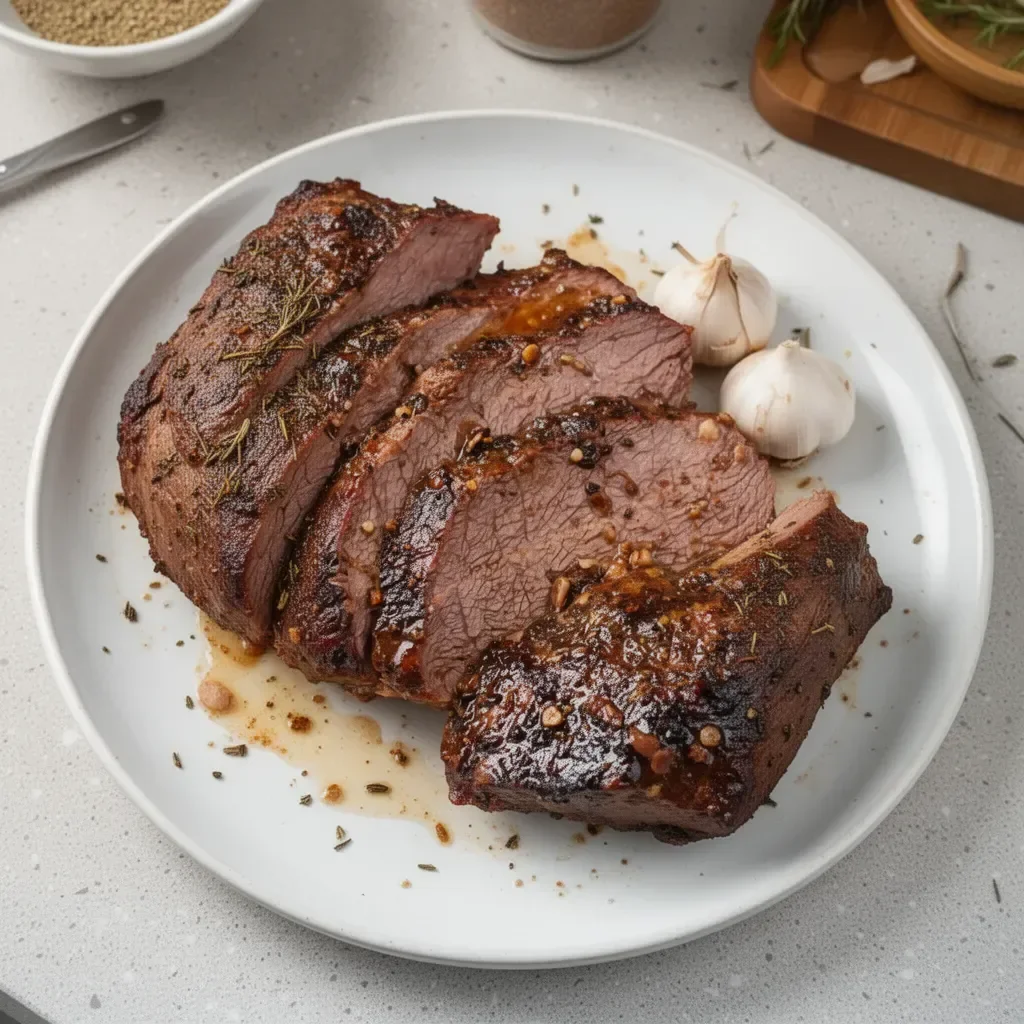
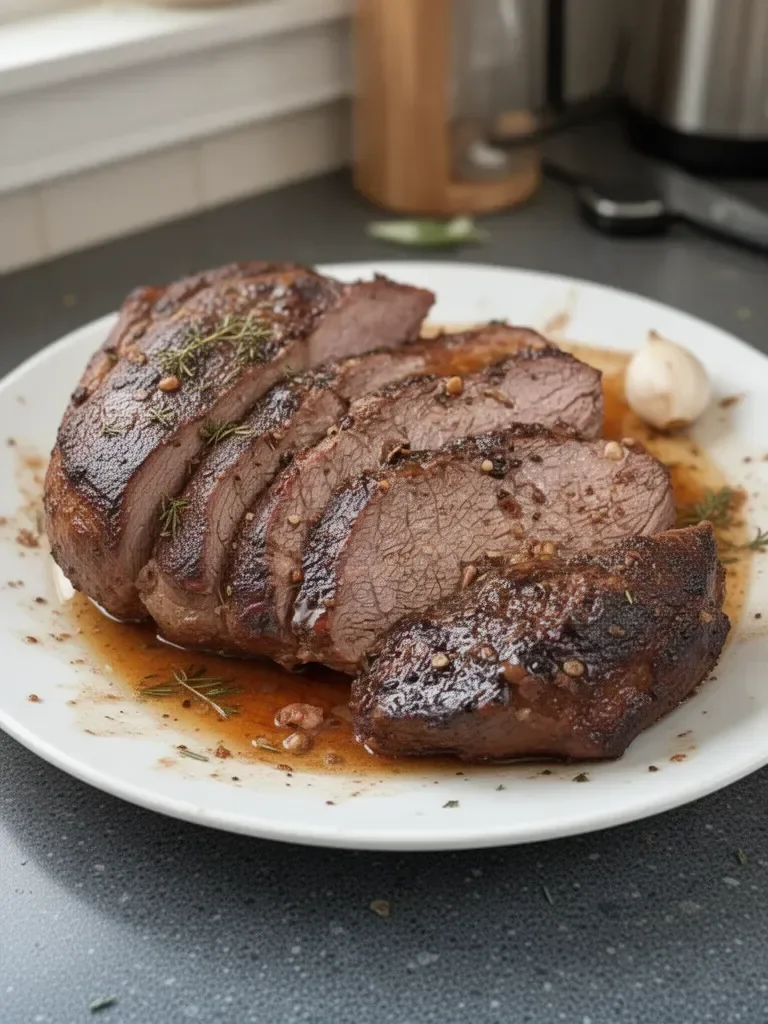
When serving your tender rump roast, presentation matters. Slice it against the grain for the most tender bites. Arrange the slices on a platter, and consider adding a sprinkle of fresh rosemary for an appealing touch.
Serve with a side of your favorite vegetables or a fresh salad. The roasted onion and garlic can serve as a fantastic garnish or side dish, adding to the overall experience.
Pairing/Storage
Pair your tender rump roast with hearty sides like mashed potatoes or rice for a complete meal. Accompany it with seasonal vegetables or a crispy salad for contrast.
Leftovers should be stored in an airtight container in the fridge, where they will stay fresh for up to four days. Reheating gently preserves the meat’s quality.
Conclusion
Cooking the perfect tender rump roast is an art and a joy. With the right techniques and a touch of care, your roast will turn out tender, flavorful, and entirely satisfying. Embracing this recipe means sharing love and comfort around the table, a true hallmark of home cooking. Celebrate the joy of creating something special, and enjoy the delicious results!
Print
Tender Rump Roast Recipe with Garlic & Herbs
- Total Time: 200 minutes
- Yield: 8 servings 1x
- Diet: None
Description
A tender and flavorful rump roast slow-cooked with garlic and herbs, perfect for family gatherings and special occasions.
Ingredients
- 4–5 pound boneless beef rump roast
- 2 tablespoons olive oil or avocado oil
- 1 tablespoon salt
- 2 teaspoons garlic powder
- 2 teaspoons onion powder
- 1 tablespoon ground black pepper
- 1 tablespoon thyme (dried, optional)
- 1 tablespoon fresh rosemary, minced (optional for garnish)
- 1 bulb of fresh garlic, peeled and chopped
- 1 cup beef broth or water
- 1 tablespoon Worcestershire sauce
- 2 tablespoons balsamic vinegar (optional)
- 1 onion, chopped and caramelized
Instructions
- Remove your beef rump roast from the refrigerator and let it sit on the counter for 20 minutes.
- Preheat your oven to 450°F.
- Trim any excess fat as desired.
- Rub the roast with olive oil to help the seasoning stick.
- Combine salt, ground black pepper, garlic powder, onion powder, and thyme in a small bowl.
- Rub the seasoning mix evenly across the entire rump roast.
- Heat a large skillet over medium-high heat. Sear the roast on all sides until browned, about 3-4 minutes per side.
- Remove the roast from the skillet and set aside on a cutting board.
- Caramelize the chopped onion in the same skillet until golden brown, then add the minced garlic and stir until fragrant.
- Add beef broth and Worcestershire sauce to the skillet, scraping any browned bits from the bottom.
- Pour the mixture into a roasting pan and place the seared roast on top.
- Cover the pan with foil and place it in the preheated oven.
- Roast for 15 minutes at 450°F, then reduce the temperature to 325°F and continue cooking for 2-3 hours, or until the internal temperature reaches your desired doneness.
- Drizzle balsamic vinegar over the roast during the last 30 minutes of cooking if desired.
- Remove the roast from the oven and let it rest for 15 minutes before slicing and garnishing with fresh rosemary.
Notes
Slice against the grain for the most tender bites. Store leftovers in an airtight container in the fridge for up to four days.
- Prep Time: 20 minutes
- Cook Time: 180 minutes
- Category: Main Course
- Method: Roasting
- Cuisine: American
Nutrition
- Serving Size: 1 serving
- Calories: 450
- Sugar: 3g
- Sodium: 600mg
- Fat: 18g
- Saturated Fat: 6g
- Unsaturated Fat: 10g
- Trans Fat: 0g
- Carbohydrates: 5g
- Fiber: 1g
- Protein: 65g
- Cholesterol: 120mg
Keywords: rump roast, garlic, herbs, family dinner, slow cooking, roast beef