📑 Table of Contents ▶
- Fundamentals
- Preparation/setup
- Directions
- Techniques and Tips for Pasta and Peas
- Technique
- Tips/tricks
- Enhancing Your Pasta and Peas
- Perfecting results
- Troubleshooting/variations
- Serving and Storing Pasta and Peas
- Serving/presentation
- Pairings/storage
- Conclusion
- Related posts:
- Cheesy Beef and Potato Soup
- Apple Cider Braised Chicken: Fall's Finest Comfort Food
- Slow Cooker Amish Corn Chowder
Pasta and Peas
Personal experiences shape our cooking styles and flavor preferences. One of my fondest memories involves preparing a simple yet delightful dish of pasta and peas. I can still recall countless afternoons in the kitchen, where the aroma of sautéing onions and garlic danced through the air, filling our home with warmth and comfort. Each time I stirred that pot, I felt a strong connection to my family, reliving moments spent at the table, sharing stories, and laughing together.
Pasta and peas is more than just a meal; it’s a canvas for creativity and a comfort food that brings joy to any gathering. This dish captures the essence of home cooking, transforming basic ingredients into something magical. The sweetness of fresh peas combined with the richness of Pecorino Romano cheese creates a flavor profile that delights the palate. It’s a dish I cherish and love to share with others, reminding me that the best meals are often the simplest.
As I guide you through this recipe, I hope to inspire you to recreate this lovely experience in your kitchen. Whether for a cozy weeknight dinner or a gathering with friends, pasta and peas is the perfect, heartwarming choice. Let’s unravel the secrets behind this delightful dish and celebrate the joy of sharing good food together.
Pasta and Peas
Fundamentals
Pasta and peas combine several fundamental elements of cooking. Starting with the right choice of pasta is crucial. Ditalini, a small tube-shaped pasta, serves as the perfect vehicle for the rich flavors in this dish. It holds onto the creamy cheese and blends beautifully with the sweetness from the peas. Of course, the type of pasta matters, but any small shape will suffice if ditalini isn’t handy.
The foundation of flavor sits in the aromatic trio of extra virgin olive oil, sweet onions, and garlic. Sautéing these ingredients unlocks their natural sweetness and builds a savory base for the dish. Adding a touch of red pepper flakes introduces a hint of heat, balancing out the sweetness beautifully. As the ingredients meld together, they create a vibrant taste that complements the simplicity of the dish.
Preparation/setup
To prepare pasta and peas, start by gathering all your ingredients. Having everything prepped ensures a smooth cooking experience. Finely dice the large sweet onion and garlic to allow for even cooking and distribution of flavor throughout the dish.
Heat a large pan over medium-high heat, adding the olive oil first. Once the oil shimmers, carefully toss in the onions. Cook them until soft without browning to maintain their sweetness. Then introduce the garlic and red pepper flakes, stirring constantly to prevent burning. This aromatic mixture lays the groundwork for a delicious meal ahead.
Prepare for boiling by measuring four cups of water. If using frozen peas, there’s no need for prior thawing; simply add them directly into the boiling mixture later in the recipe. Ensure you stay within the guidelines of the recipe for the best result.
Ingredients
Gather the following ingredients:
- 1 lb ditalini or other small shape pasta
- ½ cup extra virgin olive oil
- 1 large sweet onion (finely diced)
- 1 clove garlic (finely diced)
- ¼ tsp red pepper flakes (or to taste)
- 4 cups water (more as needed)
- 1 tsp salt (to taste)
- ¼ tsp black pepper (to taste)
- 14-16 oz baby peas (frozen or fresh)
- 1 cup Pecorino Romano cheese (grated, or parmesan cheese)
By ensuring you have these basics ready, you’ll set yourself up for success and enjoy the process of cooking.
Directions
- Add the olive oil and chopped onions to a large pan over medium-high heat.
- Cook the onions until soft, about 4 – 5 minutes. Don’t let the onions brown.
- Add the chopped garlic and red pepper flakes to the onions, cooking for an additional 1 minute.
- Pour in the water, add the salt, and stir in the baby peas. Bring this mixture to a boil.
- Once boiling, remove some of the peas and mash them with a large spoon or fork to create a creamy texture.
- Add the pasta and mashed peas to the pot, then reduce the heat to medium. Cook the pasta following the package instructions for al dente, stirring often to prevent sticking.
- If the pasta isn’t fully cooked, add more water as needed, stirring until cooked to your desired doneness.
- When the pasta reaches al dente, remove the pot from heat. Mix in the cheese and chopped parsley.
- Taste the pasta and season with salt and black pepper as needed. If the pasta seems dry, add a little water to loosen it up.
- Serve hearty portions topped with additional grated cheese, black pepper, and a side of crusty bread.
Techniques and Tips for Pasta and Peas
Technique
Perfecting pasta and peas requires employing the right techniques. Start by ensuring that your pasta water is at a rolling boil before adding ditalini. This helps maintain the right cooking temperature. Adjust the quantity of water you add at the end if the pasta appears dry, but avoid adding too much at once.
When mashing some of the peas, do so gently to retain some texture. This will create a creamy, delightful mix while still preserving the pop of whole peas.
Tips/tricks
- Use fresh ingredients when possible; seasonal peas elevate the dish’s overall freshness and flavor.
- Adjust the red pepper flakes according to your spice preference. Start small; you can always add more if desired.
- Save some of the cheese for garnishing, providing a beautiful finish.
- For a bit of herby flavor, consider adding fresh parsley or basil before serving.
- If you love garlic, doubling the garlic adds a rich flavor dimension.
Enhancing Your Pasta and Peas
Perfecting results
Cooking pasta and peas to perfection comes down to timing and technique. Make sure to test the pasta just a minute before the recommended cooking time. The goal is to achieve a delightful al dente texture while ensuring the peas maintain their vibrant green color.
Ensure all flavors meld beautifully; allow the finished dish to rest for a minute before serving. This moment helps the ingredients settle and enhances the experience.
Troubleshooting/variations
Not every cooking venture turns out perfectly, but troubleshooting can solve many common pitfalls. If the dish appears too dry, simply add more water a tablespoon at a time. For a creamier sauce, incorporate additional cheese or a splash of vegetable broth.
Feel free to play with flavor variations. Spinach, fresh basil, or even sun-dried tomatoes can add a unique twist to this classic. Consider adding protein such as grilled chicken or chickpeas for heartiness or shifting the cheese type, experimenting with different flavors.
Serving and Storing Pasta and Peas
Serving/presentation
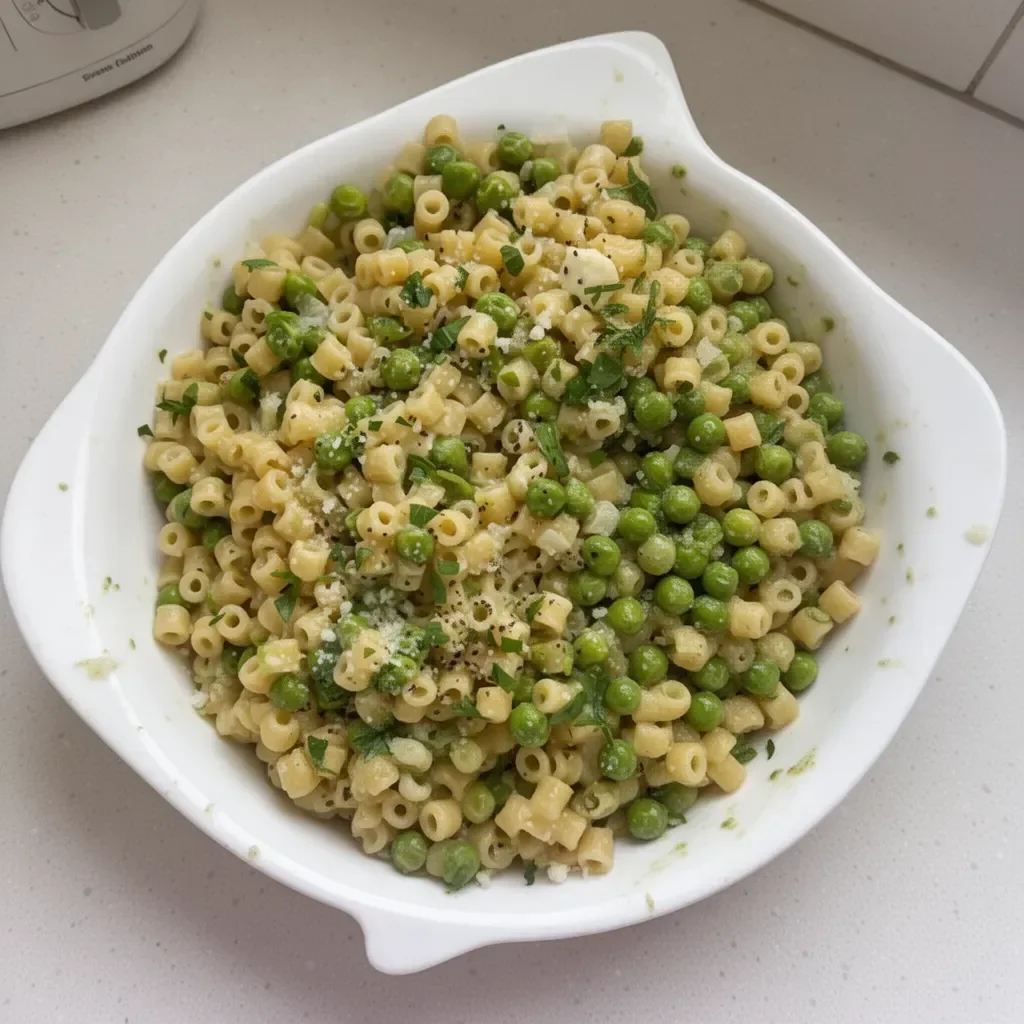
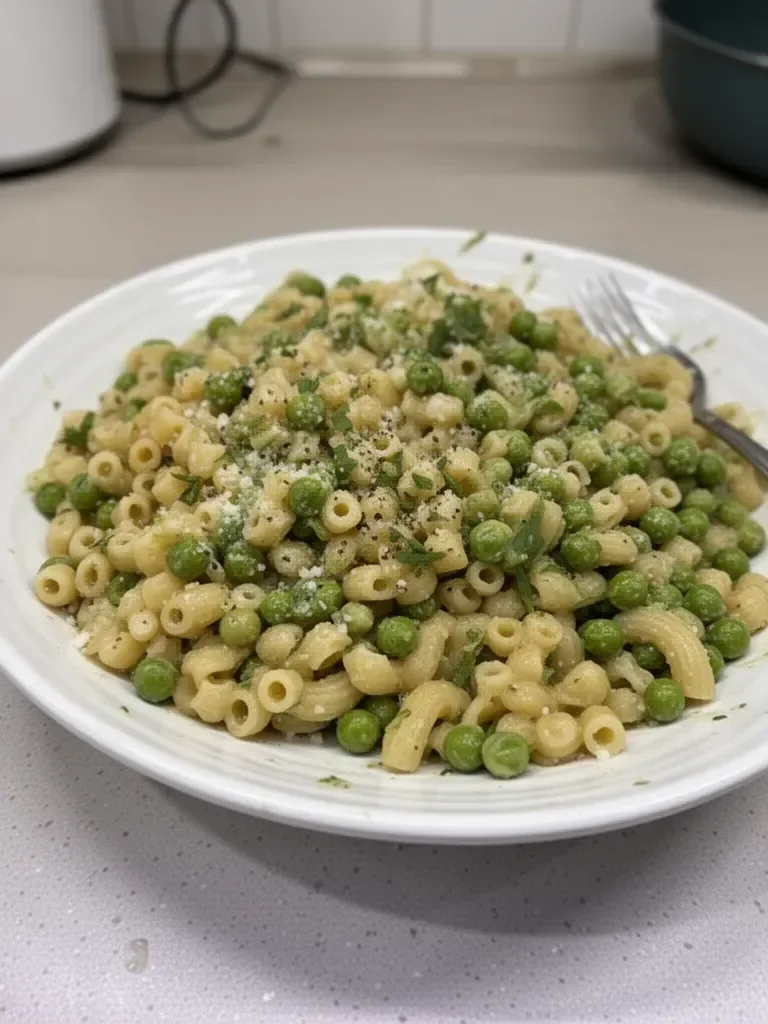
Serve pasta and peas in a warm bowl for a comforting presentation. A sprinkle of freshly grated cheese on top instantly elevates the dish, creating a beautiful finish. Add a twist of black pepper for an extra kick and a fresh herb garnish for a splash of color.
Enhance your dining experience by accompanying your dish with crusty bread. Not only does it help scoop up every bit of the delicious sauce, but it also adds a satisfying crunch.
Pairings/storage
Pasta and peas pairs wonderfully with a light, crisp salad or steamed vegetables for a well-rounded meal. Preserve left-over pasta by transferring it into an airtight container, storing it in the refrigerator for up to three days. Reheat on the stovetop, adding a splash of water if needed to maintain moisture.
This dish withstands flavor evolution, so enjoy the versatility it offers whether as a side or a main course.
Conclusion
Pasta and peas capture the essence of home cooking. The way it combines simplicity and flavor creates a comforting dish that warms the heart. Whether you prepare this meal for yourself or share it with loved ones, the process of cooking and the joy of connection shine through. With a few basic ingredients, you can create a delightful experience that celebrates togetherness around the table.
Print
Pasta and Peas
- Total Time: 30 minutes
- Yield: 4 servings 1x
- Diet: Vegetarian
Description
A simple and delightful dish combining ditalini pasta with fresh peas, Pecorino Romano cheese, and aromatic sautéed onions and garlic.
Ingredients
- 1 lb ditalini or other small shape pasta
- ½ cup extra virgin olive oil
- 1 large sweet onion (finely diced)
- 1 clove garlic (finely diced)
- ¼ tsp red pepper flakes (or to taste)
- 4 cups water (more as needed)
- 1 tsp salt (to taste)
- ¼ tsp black pepper (to taste)
- 14–16 oz baby peas (frozen or fresh)
- 1 cup Pecorino Romano cheese (grated, or Parmesan cheese)
Instructions
- Add the olive oil and chopped onions to a large pan over medium-high heat.
- Cook the onions until soft, about 4 – 5 minutes. Don’t let the onions brown.
- Add the chopped garlic and red pepper flakes to the onions, cooking for an additional 1 minute.
- Pour in the water, add the salt, and stir in the baby peas. Bring this mixture to a boil.
- Once boiling, remove some of the peas and mash them with a large spoon or fork to create a creamy texture.
- Add the pasta and mashed peas to the pot, then reduce the heat to medium. Cook the pasta following the package instructions for al dente, stirring often to prevent sticking.
- If the pasta isn’t fully cooked, add more water as needed, stirring until cooked to your desired doneness.
- When the pasta reaches al dente, remove the pot from heat. Mix in the cheese and chopped parsley.
- Taste the pasta and season with salt and black pepper as needed. If the pasta seems dry, add a little water to loosen it up.
- Serve hearty portions topped with additional grated cheese, black pepper, and a side of crusty bread.
Notes
Use seasonal peas for the best flavor. Adjust seasonings to your taste and consider adding fresh herbs before serving.
- Prep Time: 10 minutes
- Cook Time: 20 minutes
- Category: Main Course
- Method: Stovetop
- Cuisine: Italian
Nutrition
- Serving Size: 1 serving
- Calories: 400
- Sugar: 6g
- Sodium: 500mg
- Fat: 18g
- Saturated Fat: 4g
- Unsaturated Fat: 12g
- Trans Fat: 0g
- Carbohydrates: 50g
- Fiber: 5g
- Protein: 14g
- Cholesterol: 15mg
Keywords: pasta, peas, comfort food, vegetarian, Italian