📑 Table of Contents ▶
- Best Bread Pudding
- Fundamentals
- Preparation/setup
- Directions
- Techniques for Best Bread Pudding
- Technique
- Tips/Tricks
- Perfecting Results
- Perfecting Results
- Troubleshooting/Variations
- Serving and Storage
- Serving/presentation
- Pairings/storage
- Best Bread Pudding
- Related posts:
- Fudgy Brownie Cookies
- LEMON COCONUT HEAVEN COOKIES
- Cinnamon Sugar Chocolate Chip Loaf - Perfectly Delicious Treat
Best Bread Pudding
Growing up, some of my fondest memories revolve around enjoying warm, comforting desserts after family meals. Bread pudding holds a special place in my heart, as it embodies the essence of comfort food—simple yet indulgent. I vividly remember the aromas wafting through the kitchen, a blend of sweet vanilla and cinnamon, inviting everyone to gather around the table. Making this delightful dish with leftover bread not only helps reduce waste but also transforms ordinary ingredients into something extraordinary.
Baking bread pudding is an art that balances texture and flavor. The crispy edges contrast beautifully with the soft, custardy center, each bite bursting with warmth. Whether it’s a holiday celebration or a cozy weekly dessert, this classic dish is a show-stopper. It showcases how love and creativity can elevate even the simplest components. That’s why I find myself returning to the recipe time and again, adjusting it slightly each time, sharing and relishing it with friends and family.
Let’s dive into the world of bread pudding, discovering how to create this classic recipe that has warmed hearts for generations. Understanding the fundamentals, techniques, and serving suggestions will help anyone master the art of bread pudding. This journey not only celebrates the dish itself, but also honors the memories made around the table, where food truly brings us together.
Best Bread Pudding
Fundamentals
Creating the best bread pudding begins with understanding its fundamental components. The key ingredient is, of course, bread. Using slightly stale or day-old loaves allows the bread to absorb the custard better. French baguette, Sourdough, or Challah works wonderfully, bringing unique flavors and textures. Fresh bread might not soak up the custard the same way, so keep that in mind when preparing.
Moreover, the custard—a mixture of eggs and milk—brings richness to the dish. This combination creates a base that transforms the bread, enhancing its ability to soak up the sweet flavors. The eggs provide structure, while whole milk and heavy cream add creaminess, resulting in a dessert that feels decadent and satisfying.
Another essential element is the balance of sweet and spice. A blend of white and brown sugars adds depth to the sweetness, with brown sugar introducing caramel undertones. Spices such as cinnamon and nutmeg elevate the flavor profile even further, compelling everyone at the table to ask for seconds. Remember, the addition of raisins is optional, but they can provide delightful bursts of sweetness throughout the pudding.
Preparation/setup
The preparation process for the best bread pudding is simple yet rewarding. Start by cutting your loaf of bread into roughly one-inch cubes. This size helps each cube soak evenly in the custard mixture. Once cut, spray a baking pan with nonstick cooking spray and spread the bread cubes evenly across the bottom. Set this aside while you prepare the custard.
In a mixing bowl, combine the five eggs, both sugars, two cups of whole milk, heavy whipping cream, vanilla extract, nutmeg, and cinnamon. Mixing these ingredients well is crucial, as it ensures that all the flavors meld together beautifully. Pour this rich custard over the bread cubes, making sure everything saturates the bread evenly.
If you’re using raisins, sprinkle them generously on top of the bread. Then, gently toss the bread cubes with a rubber spatula, pressing them into the custard mixture to ensure complete absorption. Lastly, pour the melted butter over the top, distributing it evenly to create a golden crust during baking.
Allow the bread mixture to rest for at least thirty minutes; an hour or even overnight gives the bread ample time to soak up the custard fully. Preheat your oven to 350 degrees when you’re ready to bake. This waiting period makes all the difference.
Ingredients
To craft the best bread pudding, gather the following ingredients:
- 1 loaf (1–2 days old) of bread (French baguette, Sourdough, or Challah)
- 5 large eggs
- 1/2 cup white sugar
- 1/2 cup brown sugar
- 1 teaspoon vanilla extract
- 1 teaspoon ground cinnamon
- 1/2 teaspoon ground nutmeg
- 2 cups whole milk
- 2 cups heavy whipping cream
- 1/2 cup raisins (optional)
- 6 tablespoons unsalted butter (melted)
- 1/2 package cream cheese (softened to room temperature)
- 4 tablespoons unsalted butter (softened to room temperature)
- 3 cups powdered sugar
- 5 tablespoons milk (or heavy whipping cream)
- 1 tablespoon vanilla extract
Directions
- Start by cutting your loaf of bread into roughly 1-inch cubes.
- Spray a baking pan with nonstick cooking spray and spread the bread cubes evenly within.
- In a mixing bowl, combine the eggs, white sugar, brown sugar, milk, heavy cream, vanilla extract, nutmeg, and cinnamon. Mix the ingredients until fully combined.
- Pour the custard mixture over the bread cubes, ensuring every piece is covered. If using, sprinkle raisins evenly over the top.
- Using a rubber spatula, toss the bread gently to coat and lightly press cubes under the custard.
- Drizzle melted butter evenly atop the mixture.
- Allow the bread to rest for at least 30 minutes or preferably overnight in the fridge.
- Preheat the oven to 350 degrees and bake until the bread pudding is set and golden brown, about 45-55 minutes.
Techniques for Best Bread Pudding
Technique
While making the perfect bread pudding is straightforward, honing specific techniques elevates the outcome. First, the choice of bread significantly impacts texture. Using a sturdier bread like Sourdough helps maintain some structure while absorbing the custard. Softer bread might disintegrate entirely, which could result in a more uniform but less interesting pudding.
Moreover, the baking temperature matters—ensure even cooking by not opening the oven door repeatedly. The steam created in the oven keeps the pudding moist, so avoid unnecessary temperature drops.
Another helpful technique is to check for doneness by inserting a knife into the center. If it comes out clean, the pudding is ready. Don’t worry about being too precise with time; every oven varies.
Tips/Tricks
In addition to techniques, employing a few tips can guarantee a successful bread pudding. For a richer flavor, consider adding dark brown sugar instead of regular brown sugar, or even a splash of flavored extract like almond or maple. Both can provide an exciting twist to the old classic.
If you enjoy a crunch, consider combining a topping of streusel made from butter, flour, and sugar. Adding chopped nuts or granola can also create a wonderful texture contrast.
When supporting flavors, think of seasonal ingredients—you might add finely chopped apples or pears for interesting flavors and moisture. Just remember that adding additional ingredients may require adjustments in baking time and custard ratio.
Perfecting Results
Perfecting Results
Perfecting bread pudding revolves around tweaking ingredients and techniques over time. The classic recipe allows for customization, accommodating tastes and personal flair. If someone prefers a sweeter version, adjusting the sugars or adding caramel can result in a decadent dessert.
Similarly, experimenting with spices can lead to delightful variations. For instance, a hint of cardamom or ginger can create an exciting alternative to traditional cinnamon and nutmeg.
The baking process deserves attention as well. Placing a baking dish filled with water on the lower rack during baking can create steam, resulting in a creamier texture. It’s all about finding that balance that speaks to individual preferences.
Troubleshooting/Variations
Even with a simple recipe, challenges may arise. If the pudding turns out too dry, note that excessive baking time is often the culprit. It’s essential to start checking for doneness at the 40-minute mark when your baking time nears completion.
For those interested in variations, consider integrating different fruits such as bananas or cherries, which can add both flavor and moisture. Savory twists could include adding cheese or herbs if a non-sweet dish is preferred.
Keeping creativity flowing will ensure that your bread pudding remains a beloved specialty among friends and family. Experimenting with texture, flavors, and culinary ideas is a delightful part of the cooking process.
Serving and Storage
Serving/presentation
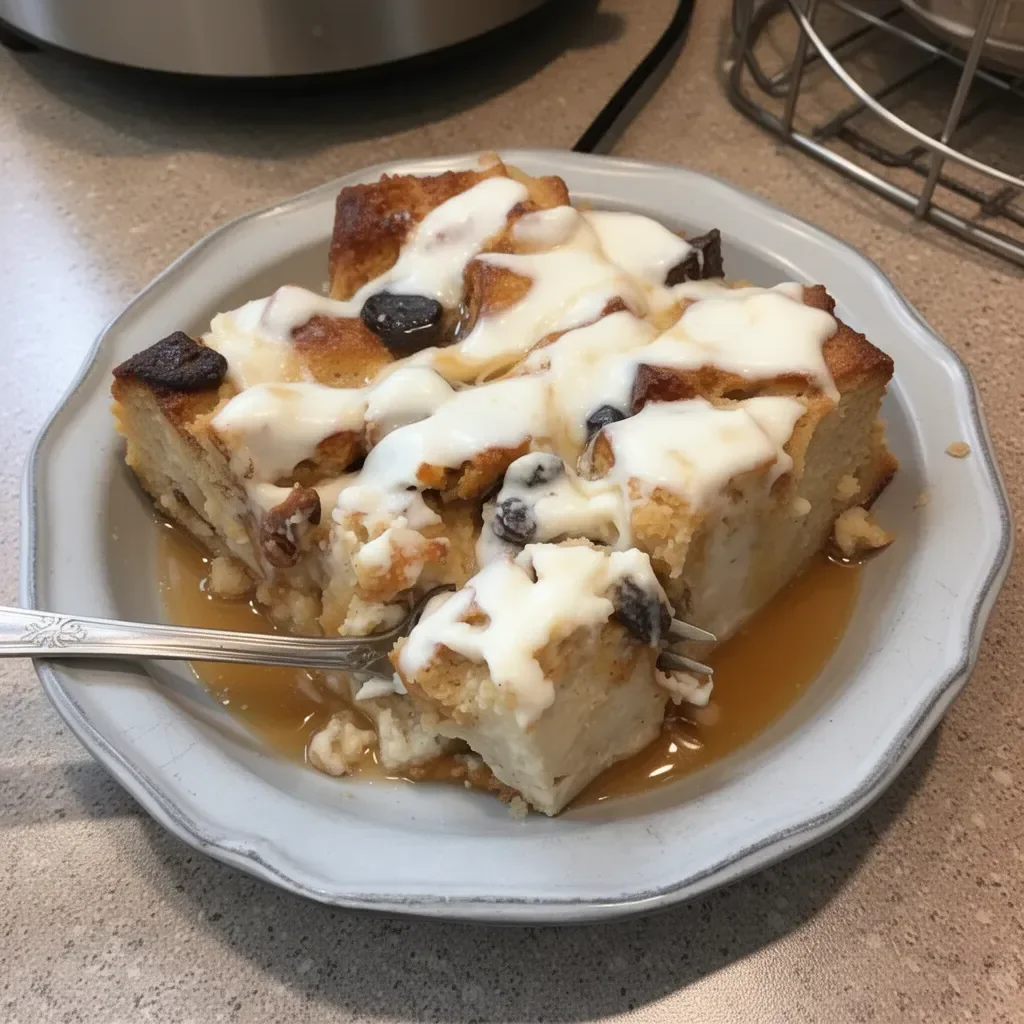
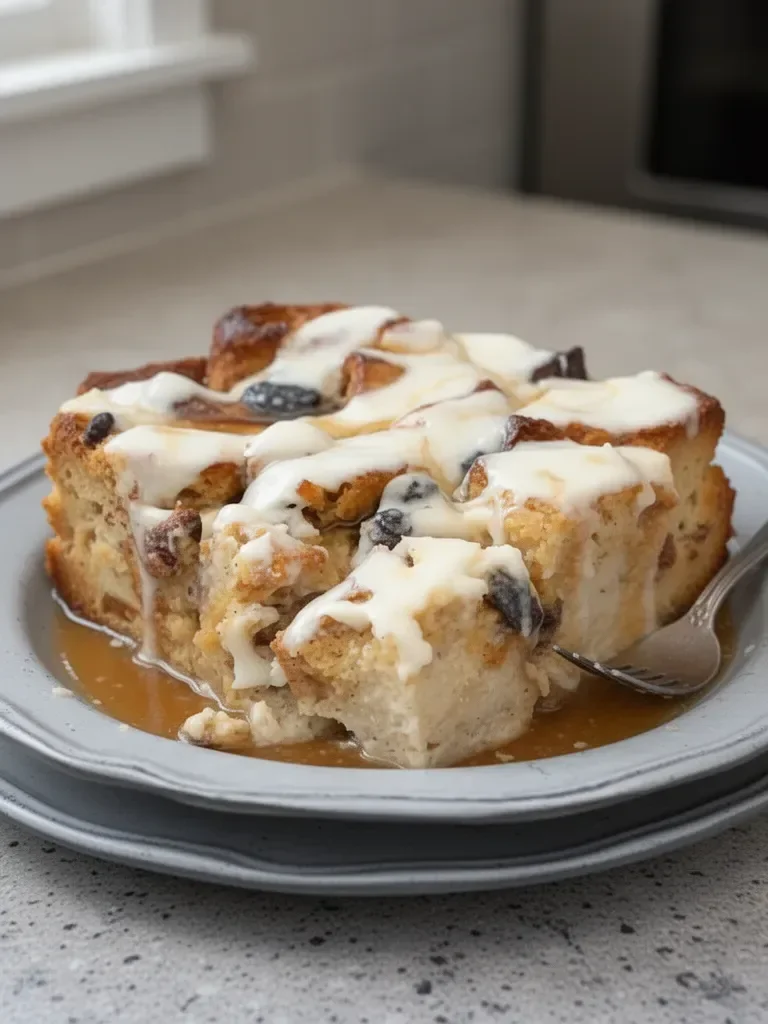
Presenting your best bread pudding can be as delightful as preparing it. Serve warm from the oven for the ultimate comforting experience. Custard-like centers paired with crispy tops make for a visually appealing dish that invites everyone to dig in.
You can garnish the pudding with a dusting of powdered sugar, fresh berries, or a drizzle of cream for an elegant touch. Consider incorporating a scoop of ice cream or a dollop of whipped cream to enhance the experience.
A scoop in a bowl, paired with garnishes, not only looks good but elevates the enjoyment of the dish. People are sure to be impressed by the appearance and aroma alone.
Pairings/storage
Pair the bread pudding with a variety of toppings such as fresh fruit or decadent sauces. Serve it alongside warm caramel sauce, homemade vanilla sauce, or even chocolate sauce for those with a sweet tooth.
Storing leftovers proves simple and practical. Once cooled, place the pudding in an airtight container. It can remain in the fridge for up to 3-4 days. Reheating portions in the oven or microwave revives the creamy custard texture. For an easy breakfast option, simply warm it up and enjoy.
Bread pudding stands tall as a versatile dish that caters to sweet cravings while utilizing simple ingredients. With the best bread pudding recipe at hand, the only limit is creativity.
Give a warm touch to your gatherings with this timeless recipe that transforms leftovers into a beloved dessert, creating warm memories and lasting flavors around the table.
Print
Best Bread Pudding
- Total Time: 85 minutes
- Yield: 8 servings 1x
- Diet: Vegetarian
Description
A warm, comforting bread pudding made with day-old bread and a rich custard, perfect for family gatherings or holiday celebrations.
Ingredients
- 1 loaf (1–2 days old) of bread (French baguette, Sourdough, or Challah)
- 5 large eggs
- 1/2 cup white sugar
- 1/2 cup brown sugar
- 1 teaspoon vanilla extract
- 1 teaspoon ground cinnamon
- 1/2 teaspoon ground nutmeg
- 2 cups whole milk
- 2 cups heavy whipping cream
- 1/2 cup raisins (optional)
- 6 tablespoons unsalted butter (melted)
- 1/2 package cream cheese (softened to room temperature)
- 4 tablespoons unsalted butter (softened to room temperature)
- 3 cups powdered sugar
- 5 tablespoons milk (or heavy whipping cream)
- 1 tablespoon vanilla extract
Instructions
- Start by cutting your loaf of bread into roughly 1-inch cubes.
- Spray a baking pan with nonstick cooking spray and spread the bread cubes evenly within.
- In a mixing bowl, combine the eggs, white sugar, brown sugar, milk, heavy cream, vanilla extract, nutmeg, and cinnamon. Mix the ingredients until fully combined.
- Pour the custard mixture over the bread cubes, ensuring every piece is covered. If using, sprinkle raisins evenly over the top.
- Using a rubber spatula, toss the bread gently to coat and lightly press cubes under the custard.
- Drizzle melted butter evenly atop the mixture.
- Allow the bread to rest for at least 30 minutes or preferably overnight in the fridge.
- Preheat the oven to 350°F and bake until the bread pudding is set and golden brown, about 45-55 minutes.
Notes
For a richer flavor, consider adding dark brown sugar or flavored extracts. Serving with ice cream or whipped cream enhances the experience.
- Prep Time: 30 minutes
- Cook Time: 55 minutes
- Category: Dessert
- Method: Baking
- Cuisine: American
Nutrition
- Serving Size: 1 serving
- Calories: 400
- Sugar: 30g
- Sodium: 300mg
- Fat: 20g
- Saturated Fat: 10g
- Unsaturated Fat: 8g
- Trans Fat: 0g
- Carbohydrates: 45g
- Fiber: 2g
- Protein: 8g
- Cholesterol: 150mg
Keywords: bread pudding, dessert, comfort food, baking, holiday dessert
